
Why Kudremukh National Park stands out
Kudremukh National Park is best known for its exceptional biodiversity and the presence of the endangered lion-tailed macaque, one of the rarest primates in India. The park's shola forest ecosystem, a unique arrangement of montane grasslands interspersed with evergreen forest, supports a remarkable concentration of large mammals including tigers, leopards, wild dogs, gaur, and sambar deer. The landscape is dominated by the distinctive Kudremukh peak with its horse-face appearance, and the park contains important watershed areas feeding three major rivers. The region is also notable for its history of iron ore mining and subsequent conservation efforts that led to the closure of the Kudremukh Iron Ore Company Limited.
Kudremukh National Park history and protected-area timeline
The conservation history of Kudremukh traces to 1916 when the British Government declared the region a Reserved Forest, seeking to prevent the spread of slash-and-burn cultivation practices into the Western Ghats. The modern conservation movement gained momentum in the early 1980s when renowned environmentalist and tiger expert Dr. Ullas Karanth conducted comprehensive surveys of lion-tailed macaque populations in Karnataka between 1983 and 1984. His research revealed that Kudremukh harbored the largest contiguous population of lion-tailed macaques in the Western Ghats outside the Malabar Coast region. Based on his findings and recommendations, the Karnataka State Wildlife Advisory Board proposed the creation of Kudremukh National Park. The first notification was issued, and in 1987 the Government of Karnataka formally declared the Reserved Forests as a National Park. The park's establishment followed prolonged efforts to address mining impacts in the region, with conservationists raising concerns about habitat fragmentation and water pollution from the Kudremukh Iron Ore Company Limited operations that had continued for over twenty years.
Kudremukh National Park landscape and geographic character
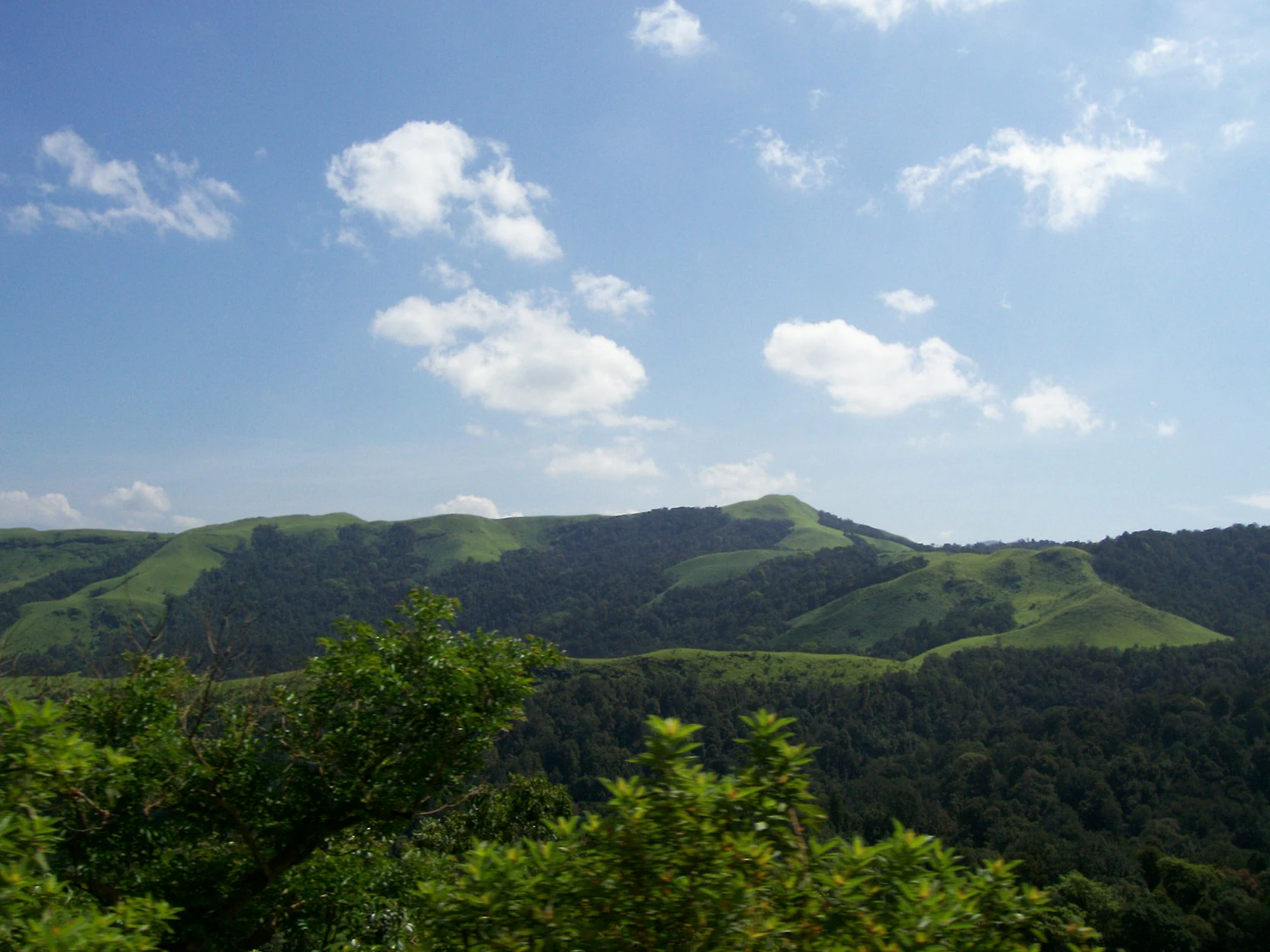
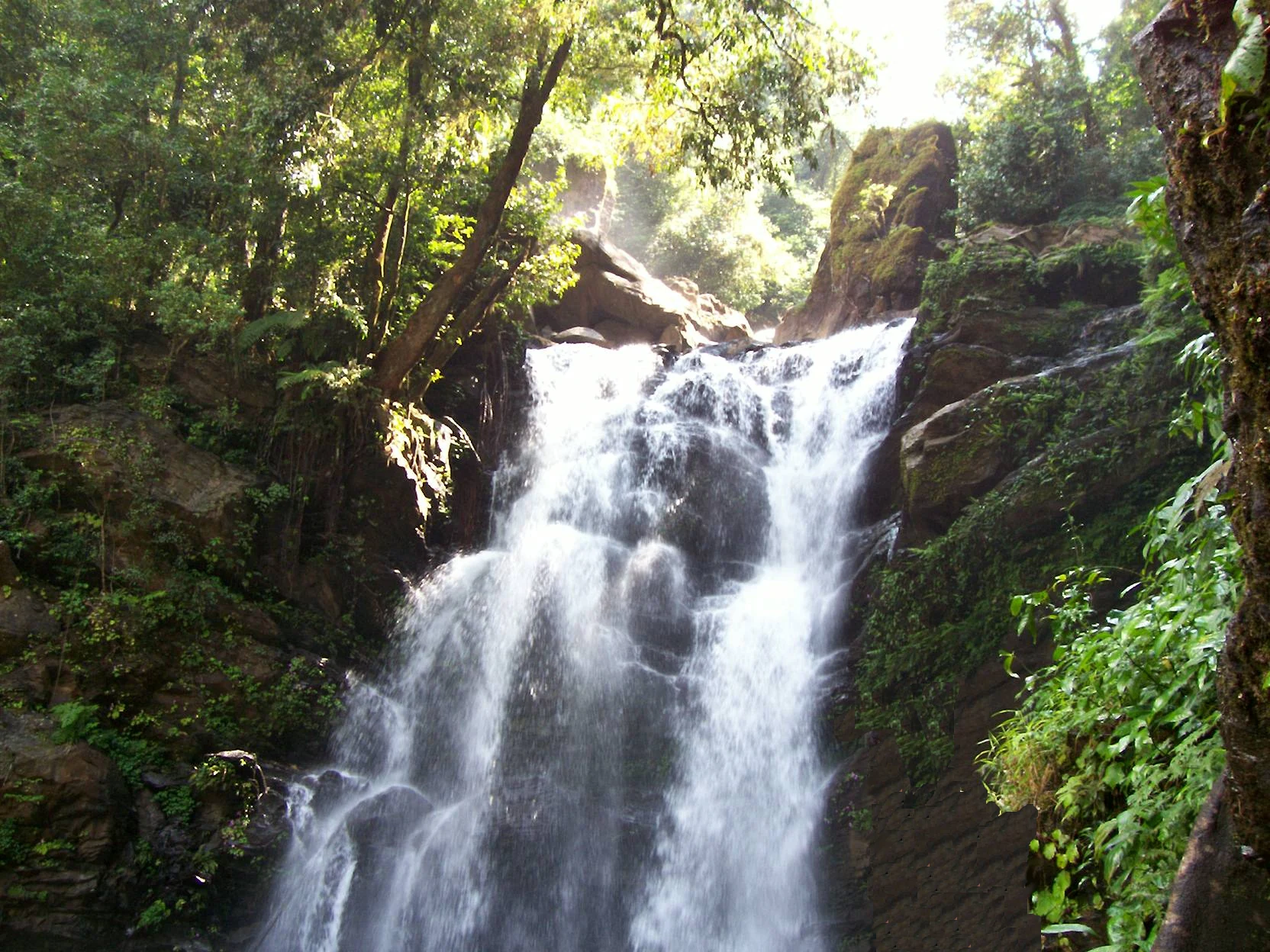
The physical landscape of Kudremukh National Park presents a dramatic contrast between the steep western slopes and the gentler rolling hills of the eastern portions. The park adjoins the Someshwara Wildlife Sanctuary to the west and connects to the Pushpagiri Wildlife Sanctuary through a narrow corridor of reserved forest on its southern edge. Elevations range from 100 meters in the lower reaches to 1,892 meters at the Kudremukh peak, creating distinct ecological zones across the park. The northern, central, and eastern areas feature a characteristic mosaic of natural grassland and shola forest, while the southern and western sides drop away sharply along the Western Ghat ridge line. The extraordinary rainfall of approximately 7,000 millimeters annually has shaped the landscape, generating thousands of perennial streams that converge to form the Tunga, Bhadra, and Nethravathi rivers. Notable scenic attractions include the Hanumana Gundi waterfalls, where water cascades over natural rock formations from a height exceeding 30 meters, and the Kadambi waterfall area.
Kudremukh National Park ecosystems, habitats, and plant life
The ecological character of Kudremukh National Park is defined by its position within the Western Ghats biodiversity hotspot and its remarkable diversity of forest types. The high annual rainfall has resulted in predominantly evergreen or semi-evergreen climax forests across most of the park's extent. The shola grassland ecosystem, comprising montane grasslands interspersed with stunted evergreen forest in the valley depressions, represents a particularly distinctive habitat type found at higher elevations. These forests possess extraordinary water-retentive capacity, functioning as natural sponges that release water gradually through countless streams. The park supports three major river systems that form vital lifelines for agricultural communities in Karnataka and Andhra Pradesh. The combination of steep terrain, heavy rainfall, and diverse forest types has created conditions supporting exceptional biodiversity, with the park considered one of the most ecologically significant protected areas in peninsular India.
Kudremukh National Park wildlife and species highlights
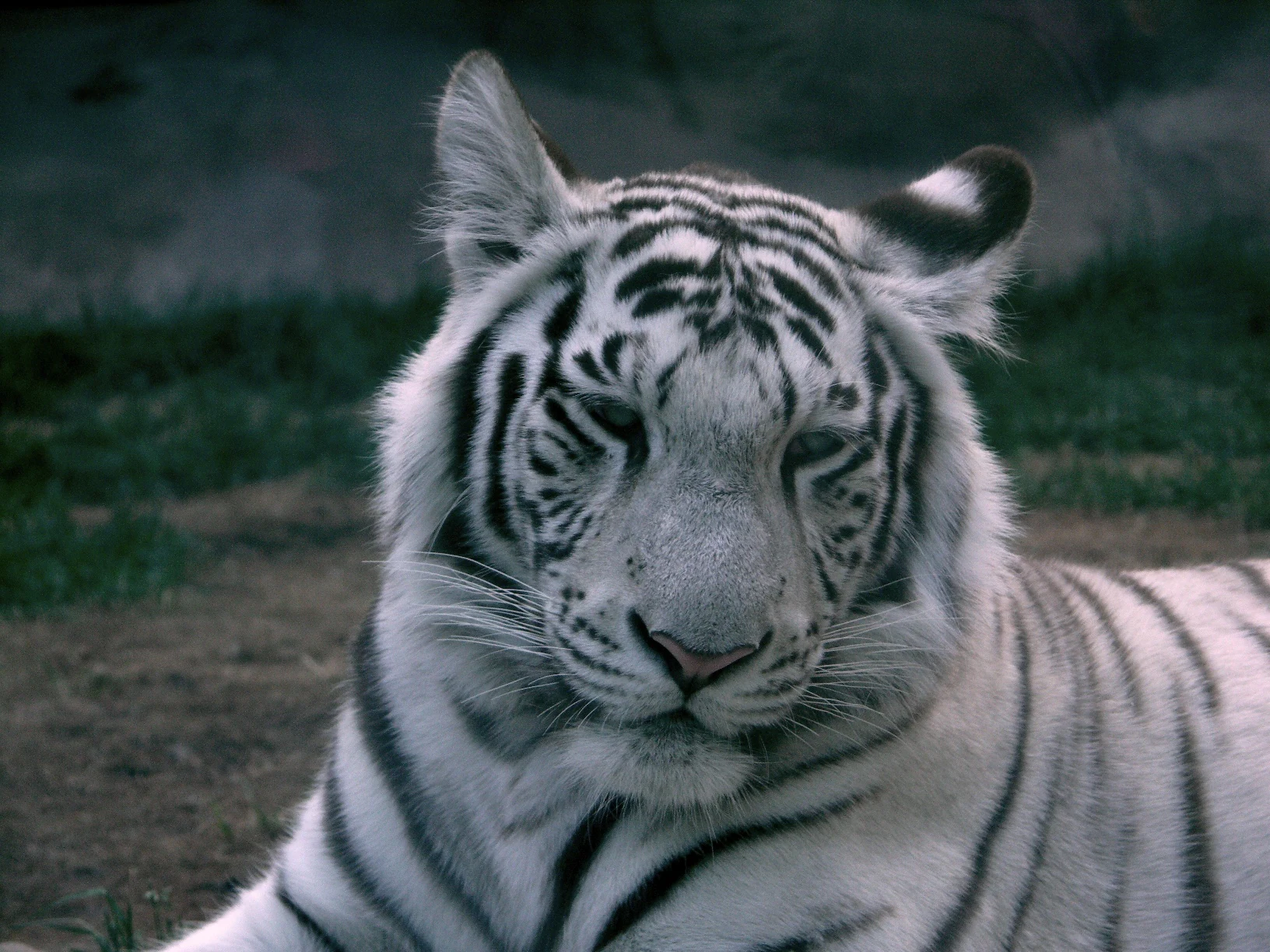
Kudremukh National Park supports an impressive assembly of large mammals, including three major predator species: tigers, leopards, and wild dogs (dholes). The prey base includes gaur, sambar deer, wild pig, muntjac, chevrotain, bonnet macaque, common langur, and the critically significant lion-tailed macaque. The park is particularly important for lion-tailed macaque conservation, as Dr. Ullas Karanth's surveys identified this area as supporting the largest contiguous population of this endangered primate in the Western Ghats. Other notable species include the sloth bear, spotted deer, and the rare malabar civet. The diverse habitats support rich birdlife and numerous smaller mammal species, though dense forest cover can make wildlife observation challenging for visitors. The drive through the forest ranges offers opportunities to spot various species, particularly during dawn and dusk when animals are more active near the roads.
Kudremukh National Park conservation status and protection priorities
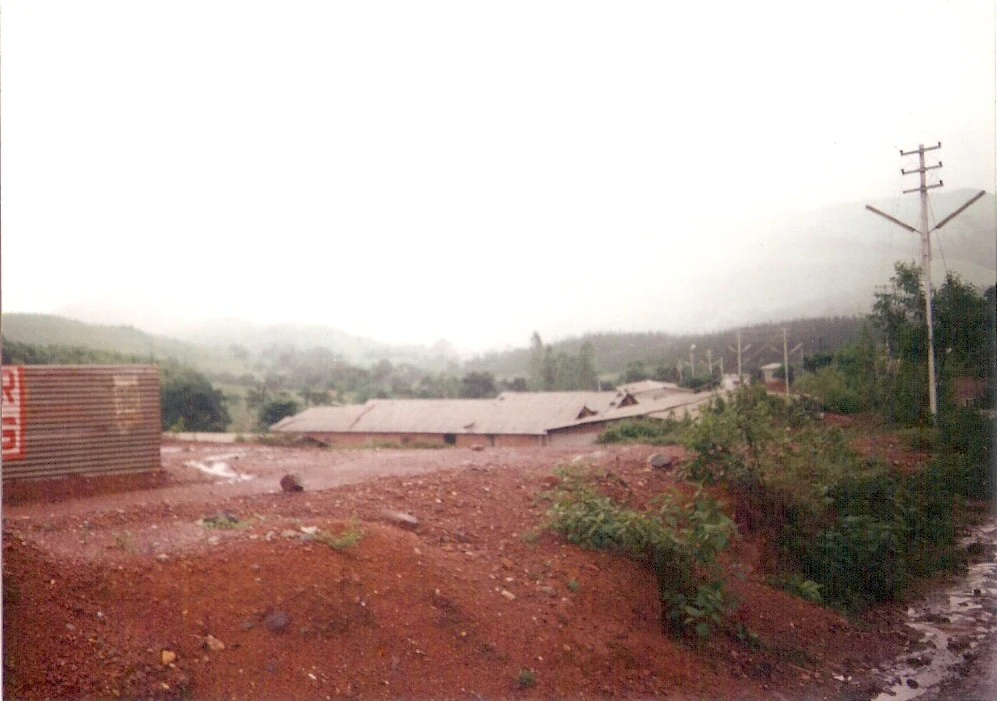
The conservation significance of Kudremukh National Park extends beyond its boundaries as a critical watershed and biodiversity repository. The park falls within Global Tiger Conservation Priority-I classification, reflecting its importance for tiger habitat and population viability. The lion-tailed macaque population served as a flagship species for conservation planning, demonstrating how protecting a single endangered species can preserve entire biotic communities. The establishment of the park represented a response to significant environmental threats, particularly from iron ore mining operations that had caused habitat fragmentation and water pollution. The closure of the Kudremukh Iron Ore Company Limited marked an important victory for conservation, with estimates suggesting that over 1,000 square kilometers of agricultural land would have been jeopardized without protection of this sensitive watershed area. The park continues to face challenges related to its mining legacy and the need for ongoing habitat restoration.
Kudremukh National Park cultural meaning and human context
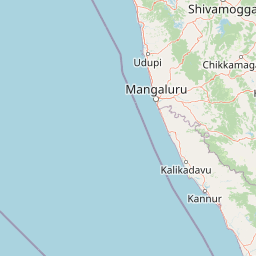
The Kudremukh region carries cultural significance beyond its ecological value, with the area historically known as a mining town centered around the Kudremukh Iron Ore Company Limited operations. The region features a temple dedicated to goddess Bhagavathi and a Varaha (boar) image located within a cave, representing significant local religious sites. The town of Kudremukh, situated approximately 48 kilometers from Karkala and 20 kilometers from Kalsa, was built along colonial lines and reflects the historical influence of British administration in the region. The interplay between conservation interests and mining development has shaped the community's identity, with the transition from an iron ore extraction center to a protected area creating new economic dynamics for local residents. The area's name and its visual association with a horse's face reflect the way local communities have connected their landscape to cultural symbolism.
Top sights and standout views in Kudremukh National Park
Kudremukh National Park offers visitors exceptional natural beauty through its mountain landscapes, waterfalls, and rich biodiversity. The Kudremukh peak itself, with its distinctive horse-face profile visible from certain angles, provides an iconic visual anchor for the park. Hanumana Gundi waterfalls, located 32 kilometers from Kalasa, offers a dramatic cascade falling over natural rock formations from heights exceeding 30 meters, accessible via trekking routes. The park's three major rivers, Tunga, Bhadra, and Nethravathi, originate from its slopes, highlighting the area's watershed significance. Wildlife enthusiasts may spot tigers, leopards, wild dogs, and the endangered lion-tailed macaque, though dense forest cover requires patience and luck. The contrast between rolling hills with shola grasslands and the steep western Ghat slopes creates varied scenery throughout the park.
Best time to visit Kudremukh National Park
The optimal period to visit Kudremukh National Park extends from October through May, when weather conditions are most favorable for exploration and wildlife viewing. The post-monsoon season from October to November offers lush green landscapes as the grasslands and forests remain refreshed from the heavy rains, while temperatures remain comfortable for trekking activities. The winter months from December through February provide clearer visibility and pleasant daytime temperatures, though mornings and evenings can be cool. The dry season from March to May offers better wildlife viewing opportunities as animals congregate more visibly around water sources, though the landscape may appear less verdant. The heavy monsoon season from June to September brings extremely high rainfall that can restrict access to certain areas and make wildlife observation difficult, though the transformed landscape with abundant waterfalls and flowing streams presents its own appeal for adventurous visitors.