Why Sanjay Gandhi National Park stands out
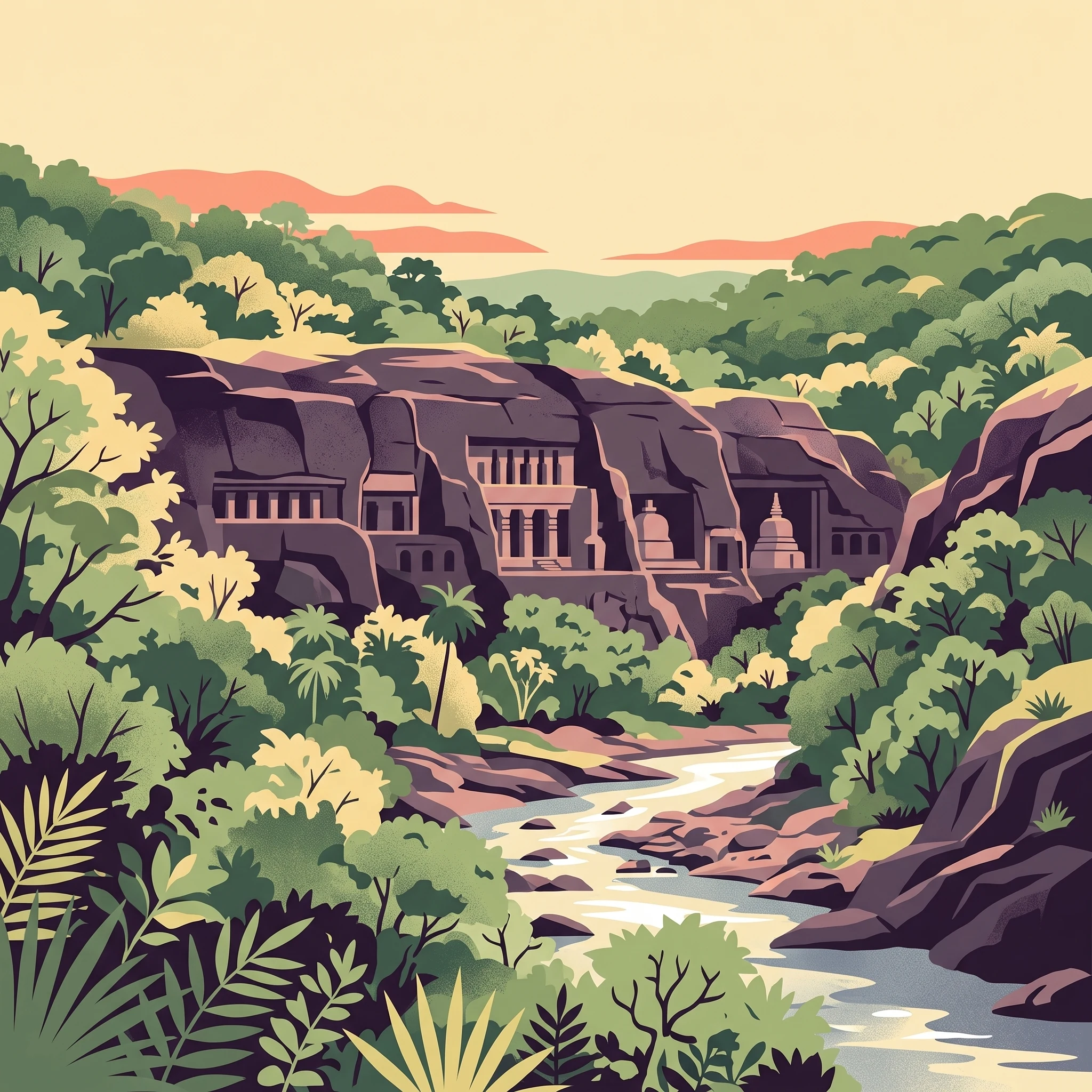
Sanjay Gandhi National Park is best known for its unique position as an urban wilderness, preserving tropical forest ecosystems within Mumbai's city limits. The park's Kanheri Caves represent one of the most significant Buddhist archaeological sites in western India, with caves dating back 2,400 years. The park is also notable for its leopard population, which has established a territory within the forest despite intense urbanization surrounding the park boundaries. The ancient rock-cut caves, sculpted from basalt by Buddhist monks, remain a major draw for both pilgrims and tourists.
Sanjay Gandhi National Park history and protected-area timeline
In contemporary times, the protected area was originally designated as Borivali National Park and later renamed Sanjay Gandhi National Park in 1996, honoring Sanjay Gandhi, son of former Prime Minister Indira Gandhi. The same year marked a significant expansion when forests from the Thane division were incorporated into the park, increasing its total area to approximately 103.84 square kilometers. This expansion reinforced the park's role as a contiguous green corridor in the northern Mumbai region, providing habitat connectivity that is critical for wildlife species ranging from leopards to smaller mammals. The park's establishment as a protected area represented a commitment to preserving ecological heritage within one of India's most urbanized regions.
Sanjay Gandhi National Park landscape and geographic character
The forest composition includes species typical of the moist deciduous forests of the Western Ghats region, with a canopy that ranges from 15 to 25 meters in height in mature areas. The forest floor supports a diverse understory, and the park's location at the transition between the Western Ghats and the coastal plain contributes to its ecological diversity. Despite being entirely surrounded by urban development, the park maintains a contiguous forest cover that provides habitat for species ranging from large mammals to numerous insect and butterfly species.
Sanjay Gandhi National Park ecosystems, habitats, and plant life
The park is particularly notable for its butterfly diversity, with over 150 species recorded, making it an important location for Lepidoptera research and observation in an urban context. The five thousand insect species documented in the park contribute to pollination, decomposition, and food web dynamics that sustain the broader ecosystem. The forest also supports the phenomenon of mass flowering of karvi (Strobilanthes), which occurs periodically across the Mumbai region, with the park's karvi populations flowering in synchrony with those in hill stations like Khandala and one year earlier than populations in Bhimashankar and Malshej Ghat.
Sanjay Gandhi National Park wildlife and species highlights
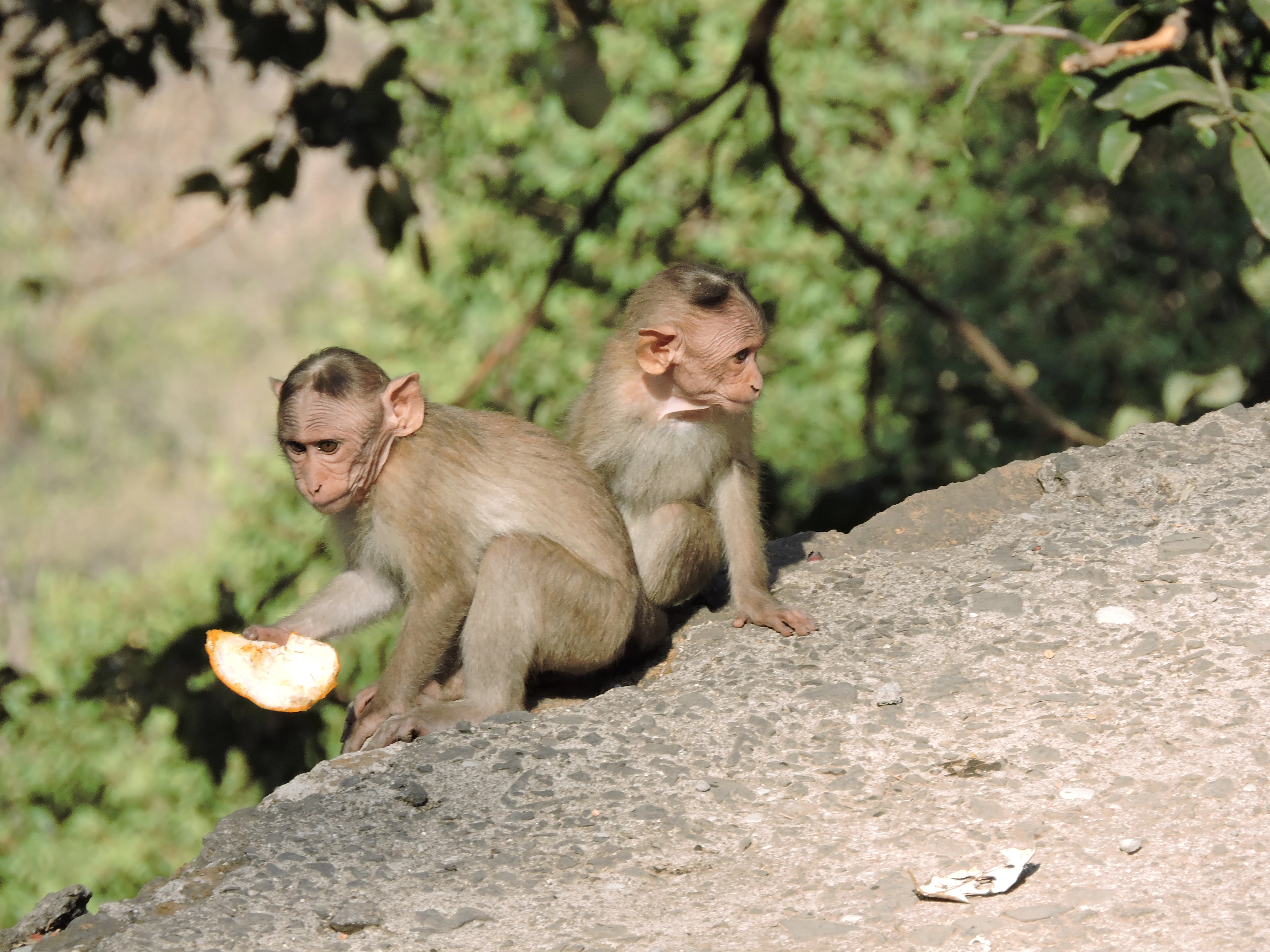
The reptile population is particularly diverse, with 38 species documented including crocodiles in Tulsi Lake, pythons, cobras, checkered keelbacks, common kraits, monitor lizards, Russell's vipers, bamboo pit vipers, and Indian cat snakes. The avian community includes 251 bird species, ranging from resident forest birds like jungle owlets, golden orioles, racket-tailed drongos, minivets, hornbills, and woodpeckers to migratory species including various kingfishers, gulls, egrets, and herons. The park also supports nine amphibian species, contributing to the overall biodiversity that makes this urban forest remarkable.
Sanjay Gandhi National Park conservation status and protection priorities
The park's conservation significance is enhanced by proposals to protect interlinked habitat corridors connecting it to nearby forest areas in Maharashtra, which would strengthen the conservation status of the broader regional landscape. The presence of a potential tiger population, even if transient, indicates the park's role in the broader conservation network for large carnivores in the Western Ghats region. Conservation efforts focus on maintaining habitat quality, managing human-wildlife conflict, and preserving the archaeological heritage represented by the Kanheri Caves.
Sanjay Gandhi National Park cultural meaning and human context
The caves remain significant for Buddhist pilgrimage and attract both religious visitors and archaeological enthusiasts. The relationship between the natural landscape and the religious structures carved into the rock demonstrates how ancient communities integrated spiritual practice with the natural environment. The park's cultural context extends beyond the caves to include the broader landscape that has been part of regional history for centuries, with the forest itself having been managed and used by local communities in various ways over time.
Top sights and standout views in Sanjay Gandhi National Park
The combination of ancient Buddhist archaeology, urban forest ecology, and wildlife conservation makes Sanjay Gandhi National Park a uniquely valuable protected area. The Kanheri Caves offer a window into 2,400 years of religious history, while the surrounding forest provides habitat for leopards, diverse reptiles, and over 250 bird species. The park's position within Mumbai makes it exceptionally accessible, allowing millions of city residents to experience natural environments without traveling beyond the metropolitan area.
Best time to visit Sanjay Gandhi National Park
The best time to visit Sanjay Gandhi National Park is during the winter months from October to March, when temperatures are cooler and the forest is more comfortable for extended walks and exploration. The monsoon season from June to September brings heavy rainfall to the Mumbai region, which can make trail conditions difficult but also enhances the lushness of the forest vegetation. The summer months from April to June can be quite hot, though early morning visits offer the best chance of wildlife observation when animals are most active.