Why Bandipur National Park stands out
Bandipur National Park is best known as one of the premier tiger reserves in India, supporting a significant population of Bengal tigers within its diverse forest ecosystems. The park is also notable for its substantial Asian elephant herds and serves as a critical corridor for wildlife movement between the Western Ghats and other protected areas in the region. Its location within the Nilgiri Biosphere Reserve positions it as a key conservation area for India'sWestern Ghats biodiversity hotspot, supporting populations of gaur, sloth bear, four-horned antelope, and numerous other species. The park's varied topography, ranging from undulating plains to forested hillsides, creates multiple distinct habitats that support remarkable species diversity.
Bandipur National Park history and protected-area timeline
The conservation history of Bandipur National Park traces back to 1931 when the Maharaja of the Kingdom of Mysore established the Venugopala Wildlife Park as a protected sanctuary covering approximately 90 square kilometers. This early conservation initiative reflected the region's long-standing tradition of royal wildlife protection and established the foundation for what would become one of India's premier national parks. The park underwent significant expansion in 1973 when it was formally designated as a tiger reserve under Project Tiger, India's flagship conservation program for protecting endangered Bengal tiger populations. This expansion added nearly 800 square kilometers to the original sanctuary, creating the extensive protected landscape that exists today. The inclusion in Project Tiger brought increased funding, scientific management practices, and national attention to the park's conservation needs. In 1986, Bandipur was incorporated into the Nilgiri Biosphere Reserve, recognizing its ecological importance within the larger regional context of Western Ghats conservation. This designation connected Bandipur to a network of protected areas spanning multiple states and established integrated conservation frameworks for the broader ecosystem. The park's history includes challenges related to road safety, with national highways passing through its boundaries and causing wildlife mortality from vehicle collisions, leading to collaborative measures between Karnataka and Tamil Nadu governments to restrict night-time traffic.
Bandipur National Park landscape and geographic character
Bandipur National Park occupies a diverse landscape where the flat tablelands of the Deccan Plateau merge with the forested slopes of the Western Ghats, creating a terrain of exceptional topographic variety. The park's elevation ranges from 680 meters in the lower valleys to 1,454 meters at Himavad Gopalaswamy Betta, the highest point within the reserve, which features a Hindu temple at its summit that attracts both pilgrims and visitors. The landscape is characterized by undulating hills, rocky outcrops, river valleys, and open grassy areas interspersed with dense forest cover. Three major river systems traverse the park: the Kabini River defines the northern boundary, the Moyar River marks the southern edge, and the Nugu River flows through the interior, providing critical water resources for wildlife throughout the year. The park's position at the ecological transition between plateau and mountain environments results in a complex mosaic of habitats, from dry deciduous forests in the lower elevations to moist deciduous forests in higher areas and shurbland patches in certain zones. This topographic and ecological diversity supports the wide array of plant and animal species that make Bandipur notable within India's protected area network.
Bandipur National Park ecosystems, habitats, and plant life
The ecological character of Bandipur National Park reflects its position within one of India's richest biodiversity regions. The park supports three primary forest types: tropical dry deciduous forests dominate the lower elevations and cover the majority of the area, while moist deciduous forests appear in higher rainfall zones, and shrubland ecosystems occur in pockets throughout the reserve. This forest diversity creates a heterogeneous habitat matrix that supports remarkable species richness. The vegetation includes commercially valuable timber species such as teak, rosewood, and sandalwood, alongside numerous flowering and fruiting trees that provide food resources for wildlife throughout the year. The park's river systems and associated riparian zones add further ecological complexity, supporting different plant communities and providing crucial water sources that sustain wildlife populations during dry seasons. The integration into the Nilgiri Biosphere Reserve connects Bandipur to a larger network of protected areas that collectively shelter significant populations of endemic and endangered species, making the park a critical node in regional conservation strategies for the Western Ghats biodiversity hotspot.
Bandipur National Park wildlife and species highlights
Bandipur National Park supports exceptional wildlife diversity, with particular significance attached to its populations of large mammals. The park is recognized as an important tiger habitat, supporting a viable population of Bengal tigers that represent a key component of India's conservation efforts for this endangered species. Asian elephants thrive in the park, with population estimates showing significant growth over recent decades, demonstrating the effectiveness of protection measures. The park also supports healthy populations of gaurs, the largest wild cattle species in the world, as well as Indian leopards, sloth bears, four-horned antelopes, and dholes, also known as Asiatic wild dogs. Smaller mammals commonly observed include chital deer, gray langurs, Indian giant squirrels, sambar deer, and wild boars. The bird fauna exceeds 200 species and includes both resident and migratory species, with notable populations of crested honey buzzards, red-headed vultures, various eagle and hawk species, kingfishers, and the commonly seen blue peafowl and gray junglefowl. Reptile diversity includes spectacled cobras, Indian rock pythons, vipers, and mugger crocodiles. The park also supports remarkable invertebrate diversity, particularly butterflies with numerous species documented, as well as ant species and dung beetles that play important ecological roles in nutrient cycling and ecosystem functioning.
Bandipur National Park conservation status and protection priorities
Bandipur National Park occupies a critical position in India's conservation framework, serving as a cornerstone of Project Tiger and a key component of the Nilgiri Biosphere Reserve. The park's inclusion in the Nilgiri Biosphere Reserve since 1986 connects it to a larger conservation landscape that encompasses multiple protected areas across Kerala, Tamil Nadu, and Karnataka, facilitating coordinated conservation strategies for the Western Ghats region. The tiger reserve designation has enabled substantial investment in anti-poaching efforts, habitat management, and wildlife monitoring programs. However, the park faces significant conservation challenges related to infrastructure development, as national highways NH-181 and NH-766 pass through the reserve, creating mortality risks for wildlife from vehicle collisions. Following the death of an elephant named Ranga in 2018, the governments of Karnataka and Tamil Nadu implemented night-time traffic restrictions to reduce wildlife mortality. These mitigation measures reflect ongoing efforts to balance transportation infrastructure needs with wildlife protection requirements, a common challenge in India's densely populated landscape where protected areas often intersect with human development corridors.
Bandipur National Park cultural meaning and human context
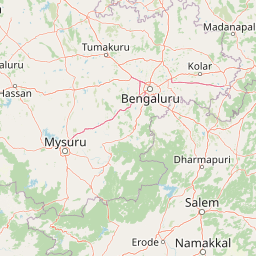
Bandipur National Park is situated in the region historically governed by the Kingdom of Mysore, and the park's origin as a protected area traces directly to the conservation initiatives of the Mysore royal family. The original Venugopala Wildlife Park was established in 1931 by the Maharaja of Mysore, reflecting an early recognition of the area's ecological value and wildlife significance. The park's landscape includes Himavad Gopalaswamy Betta, a prominent hill that features a Hindu temple at its summit, representing the intersection of natural and cultural heritage within the protected area. The region surrounding the park is inhabited by local communities whose livelihoods are influenced by the presence of the reserve and who have historical relationships with the landscape. The park's proximity to the city of Mysore, approximately 80 kilometers away, and to Chamarajanagar, approximately 50 kilometers distant, positions it within a cultural landscape that includes both traditional rural communities and historic urban centers associated with the former Kingdom of Mysore.
Top sights and standout views in Bandipur National Park
Bandipur National Park stands as one of India's premier wildlife destinations within the Nilgiri Biosphere Reserve. The park's significant tiger population makes it a key location for tiger conservation and wildlife viewing in the country. Its substantial Asian elephant herds are among the most notable in southern India, and the park serves as an important habitat for gaurs, leopards, and numerous other mammal species. The diverse forest ecosystems, ranging from dry deciduous to moist deciduous formations, create varied landscapes that support remarkable biodiversity. The presence of three major rivers within the park ensures reliable water availability for wildlife throughout the year. The park's historical significance as a royal hunting ground transformed into a modern conservation area illustrates the evolution of wildlife protection in India. The combination of large mammal populations, bird diversity exceeding 200 species, and significant invertebrate communities makes Bandipur one of India's most ecologically diverse protected areas.
Best time to visit Bandipur National Park
The optimal time to visit Bandipur National Park aligns with the dry season when wildlife visibility improves and animals concentrate around remaining water sources. The period from October through May offers the most favorable conditions for wildlife viewing, with the dry months from March to May providing particularly good opportunities to observe tigers, elephants, and other species at waterholes. The monsoon season from June to September brings heavy rainfall to the region, transforming the landscape into lush green but making wildlife spotting more challenging and potentially restricting access to certain areas. The park experiences a tropical climate with distinct wet and dry seasons, and the dry and hot period typically begins in early March and continues until the monsoon arrives in June. Visitors seeking to avoid the peak summer heat may prefer the cooler winter months from November to February, though waterhole viewing is less predictable during this period. The timing of visits should consider the park's access restrictions and seasonal operational changes.