Why Mukurthi National Park stands out
Mukurthi National Park is best known as the primary refuge of the Nilgiri tahr, a critically endangered mountain ungulate found only in the high-elevation grasslands of the Western Ghats. The park protects one of the last remaining tracts of intact shola-grassland ecosystem, a unique habitat type characterized by montane grasslands dotted with evergreen shola forest patches. This dual ecosystem supports exceptional biodiversity and represents a conservation landscape of global significance. The park's designation as part of the UNESCO World Heritage Western Ghats reflects its outstanding universal value as one of the most significant biodiversity hotspots on Earth.
Mukurthi National Park history and protected-area timeline
The history of Mukurthi National Park reflects the broader trajectory of forest management and conservation in the Nilgiri Hills. Indigenous hill communities including the Toda people have inhabited these mountains for centuries, traditionally harvesting firewood from shola forests and grazing their hill buffalo on the grasslands. The establishment of British settlements in Ootacamund, Coonoor, and Wellington in the early nineteenth century initiated a period of extensive shola clearance. Beginning in 1841, authorities issued contracts for commercial timber extraction under a timber conservancy program, and by 1868, officials were already expressing concern about the accelerating destruction of shola ecosystems. Between 1840 and 1856, extensive plantations of non-native species including various wattle species, eucalyptus, cypress, and pine were established to meet fuelwood demands. These exotic plantations, particularly the wattles, spread aggressively through root suckers and became invasive. The entire area was declared a Reserve Forest in 1886, and in 1920, proposals called for replacing remaining sholas with exotic monocultures. The area received formal protected status as a wildlife sanctuary on 3 August 1982 and was upgraded to National Park status on 15 October 1990 to provide stronger protection for the Nilgiri tahr.
Mukurthi National Park landscape and geographic character
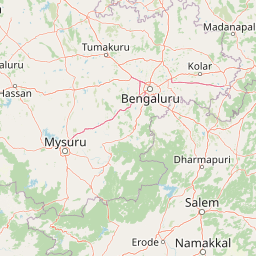
Mukurthi National Park presents a dramatic highland landscape dominated by the Kundah range of the Nilgiri Hills. The terrain is characterized by a series of steep peaks rising above the general plateau level, with Kollaribetta, Mukurthi Peak, and Nilgiri Peak forming the most prominent summits. The southwestern portion of the park contains additional notable peaks including Sispara at 2,206 metres, Anginda at 2,383 metres, and Gulkal at 2,468 metres. The park's elongated crescent shape faces westward, with elevations varying from 1,500 metres in the lower valleys to 2,629 metres at the highest summits. The landscape is punctuated by several perennial streams and rivers including the Billithadahalla, Pykara, and Kundah, which drain eastward and ultimately feed the Bhavani River system. The Upper Bhavani and Mukurthi reservoirs within the park represent significant hydrological features. The environment is harsh, with annual rainfall ranging from 2,010 to 6,330 millimetres and wind speeds that can exceed 120 kilometres per hour during storms.
Mukurthi National Park ecosystems, habitats, and plant life
The ecological character of Mukurthi National Park is defined by its unique shola-grassland association, a landscape found exclusively in the high elevations of the Western Ghats. Montane grasslands dominate the exposed slopes and plateaus, while shola forests occupy the sheltered ravines and valleys, creating a distinctive mosaic of habitat types. The park supports exceptional plant endemism, particularly among the scapigerous annual Impatiens species. The shola forests contain numerous evergreen species including Rhododendron trees, with Rhododendron arboreum and Rhododendron nilagiricum producing conspicuous displays throughout the grasslands. Additional shola species include Syzygium calophyllifolium, Daphniphyllum neilgherrense, Cinnamomum wightii, and Mahonia leschenaultia. The forest edges support diverse shrubs including Gaultheria fragrantissima, Rhodomyrtus tomentosa, and various Rubus species. The park's orchid diversity includes species such as Eria abliflora, Aerides crispa, and Coelogyne odoratissima. Approximately 20 percent of the park currently provides suitable habitat for Nilgiri tahr, though restoration of degraded plantation areas could increase usable habitat to 60 percent.
Mukurthi National Park wildlife and species highlights
Mukurthi National Park supports a remarkable diversity of threatened mammal species centered on the endangered Nilgiri tahr, which reaches its northern range limit in this park. A 2007 census recorded approximately 200 tahrs including 60 young individuals. Other significant mammals include the Bengal tiger, Asian elephant, Nilgiri marten, and Nilgiri langur. The park supports populations of leopard, sambar deer, barking deer, mouse deer, otter, jungle cat, small Indian civet, wild dog, jackal, and various smaller mammals including Bonhote's mouse, Malabar spiny dormouse, and soft-furred rat. The avifauna includes several endemic hill birds such as the Nilgiri laughingthrush, Malabar whistling thrush, Nilgiri wood pigeon, black-and-orange flycatcher, and Nilgiri pipit. Predatory birds including black-winged kite, common kestrel, and black eagle hunt the grasslands. The reptile fauna includes endemic species such as the geckos, Nilgiri salea, and various shieldtail snakes including Perrotet's shieldtail. Amphibian diversity is exceptionally high with numerous endemic frog species including several Raorchestes species and the distinctive dancing frog.
Mukurthi National Park conservation status and protection priorities
Mukurthi National Park represents a critical conservation landscape within the Western Ghats biodiversity hotspot. The park's primary conservation purpose is the protection of the Nilgiri tahr, a species that has suffered severe population declines due to habitat fragmentation and competition with livestock. The shola-grassland ecosystem is itself of outstanding conservation value, representing a rare and threatened habitat type of global significance. The park's inclusion in the Nilgiri Biosphere Reserve and its designation as part of the UNESCO World Heritage Site acknowledges its irreplaceable ecological value. Management challenges include controlling invasive exotic species such as wattle and eucalyptus that were planted during the colonial period and have spread extensively into native grasslands. Restoration efforts aim to remove these plantations and rehabilitate approximately 60 percent of the park area as tahr habitat. The park operates year-round anti-poaching programs and maintains fire management protocols during the December to April fire season.
Mukurthi National Park cultural meaning and human context
The lands now within Mukurthi National Park have long been inhabited by indigenous hill communities, particularly the Toda people, who have maintained traditional pastoral practices in the highland grasslands for centuries. The Toda traditionally grazed hill buffalo in the shola-grassland environment and harvested firewood from the forest patches. Historical routes through the park, including the old Sispara ghat road from Kozhikode to Ooty constructed in 1832, connected the Nilgiri Plateau to the west coast. Bangitappal at the southwest end of the park served as a historic halting place on this route and was also associated with smuggling activities involving cannabis, tobacco, and salt during the nineteenth century. The cultural landscape bears the imprint of colonial forest management practices, particularly the extensive plantation of exotic species that now pose restoration challenges.
Top sights and standout views in Mukurthi National Park
Mukurthi National Park offers one of the most significant high-elevation wilderness experiences in South India, protecting the last strongholds of the endangered Nilgiri tahr in its natural shola-grassland habitat. The park's dramatic mountain scenery, with peaks rising above 2,500 metres, provides spectacular trekking opportunities through relatively undisturbed montane ecosystems. The opportunity to observe Nilgiri tahr in their natural habitat, alongside other endemic species including the Nilgiri langur and Nilgiri marten, makes this park particularly significant for wildlife enthusiasts and researchers. The park's UNESCO World Heritage status as part of the Western Ghats underscores its global importance as a biodiversity hotspot of outstanding universal value.
Best time to visit Mukurthi National Park
The optimal seasons for visiting Mukurthi National Park are February through May and September through November, when weather conditions are most favorable for trekking and wildlife observation. The monsoon season from June to September brings heavy rainfall that can exceed 6,000 millimetres annually, making trails treacherous and visibility poor. The winter months from December to January can bring near-freezing temperatures, particularly at higher elevations, and the dry season from December to April creates elevated fire risk that may affect access. Visitors should note that casual tourism is not permitted and all access requires special permission through the Tamil Nadu Department of Forestry, typically arranged through organized trekking programs.