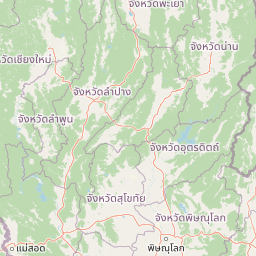
Why Lan Sang National Park stands out
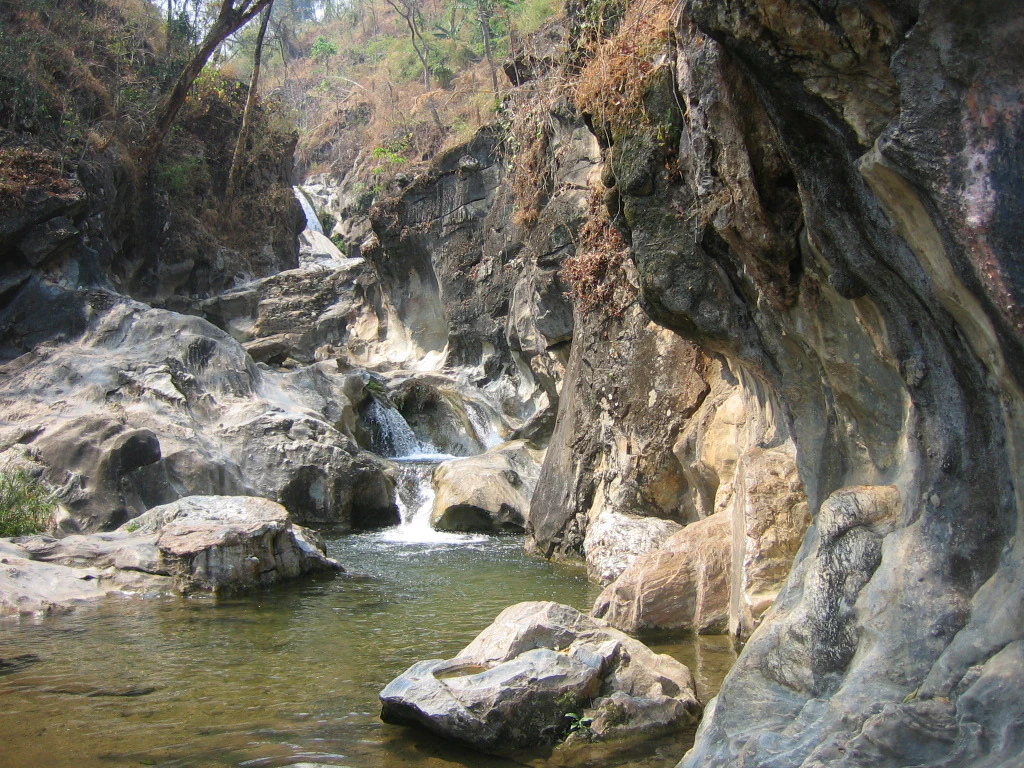
Lan Sang National Park is best known for its series of tiered waterfalls that descend through the mountainous terrain of the Dawna Range. The park contains at least eight named waterfalls including Namtok Pha Lat, Namtok Lan Sang, Namtok Pha Ngoep, and Namtok Tha Le, each with distinctive drop heights and geological formations. The viewpoint at Khao Noi provides sweeping vistas over Tak town, adding a scenic lookout dimension to the park's appeal. The diverse forest types supporting the waterfalls create a lush, tropical environment contrasting with the relatively dry lowland areas surrounding the protected zone.
Lan Sang National Park history and protected-area timeline
Lan Sang National Park was established in 1979, becoming Thailand's 15th national park and part of the country's initial wave of protected area designations during that period. The creation of the park reflected growing awareness in Thailand of the need to preserve mountainous forest ecosystems, particularly in regions like the Dawna Range that serve as watersheds for surrounding lowland agricultural areas. The park was placed under the management of the Royal Thai Government's Department of National Parks, Wildlife and Plant Conservation, which continues to oversee its administration and visitor services. The name Lan Sang derives from Thai language roots with multiple possible interpretations, as the precise original meaning of the name has not been definitively established.
Lan Sang National Park landscape and geographic character
The landscape of Lan Sang National Park consists of mountainous terrain characteristic of the Dawna Range, with steep slopes, rocky ridges, and valleys carved by seasonal watercourses. The terrain features prominent cliff faces and rock formations that create the dramatic drop structures visible in the park's waterfalls. The waterfalls range from broad, split-level cascades like Namtok Pha Lat to narrow, high drops like Namtok Tha Le, which reaches 50 metres in height. The park's highest viewpoint at Khao Noi provides elevation gain for visitors seeking panoramic views across the surrounding Tak Province countryside toward the town of Tak itself. The combination of forested slopes, exposed rock faces, and flowing water creates a landscape of considerable visual variety within the protected area.
Lan Sang National Park ecosystems, habitats, and plant life
The ecological character of Lan Sang National Park reflects the intersection of multiple forest types within a relatively compact mountainous area. The park contains rain forest in the lower elevations where moisture collects in the valleys, transitioning through mixed deciduous forest and deciduous dipterocarp forest on drier slopes, to coniferous forest and hill evergreen forest at higher elevations. This vertical zonation creates diverse habitat conditions within a relatively small area, supporting the range of wildlife species documented in the park. The permanent water flow from the numerous waterfalls and streams provides aquatic habitat even during dry seasons, while the dense vegetation cover offers shelter and foraging grounds for forest-dwelling species.
Lan Sang National Park wildlife and species highlights
Lan Sang National Park is home to several wildlife species typical of northern Thailand's forested mountains. Mammals recorded in the park include common wild pig, barking deer, serow, and civet, representing the park's larger mammal community. The avifauna includes the Black-crested Bulbul among notable bird species. The park also contains the Siamese big-headed turtle, a species of conservation concern that inhabits the aquatic environments created by the park's streams and waterfalls. Flying lizards have also been documented in the park, representing the reptile and amphibian community adapted to the forest canopy. While not a intensively studied wildlife destination, the park provides protected habitat for these species within its forest and aquatic ecosystems.
Lan Sang National Park conservation status and protection priorities
As an IUCN Category II protected area, Lan Sang National Park serves a clear conservation function in protecting a representative sample of the Dawna Range's forest ecosystems. The park's multiple forest types, waterfall systems, and wildlife habitats receive formal protection under Thailand's national park legislation. The protected status helps preserve watershed function in the mountainous terrain, benefiting downstream agricultural areas in Tak Province. The park's location along a major highway also creates opportunities for environmental education, as visitors can observe forest conservation in action while enjoying recreational access to the natural areas.
Lan Sang National Park cultural meaning and human context
The name Lan Sang carries cultural significance even as its precise meaning remains uncertain. The toponymic information documented in official sources presents multiple interpretations of the two component words. The element "lan" can refer to the fan palm tree (Corypha umbraculifera) whose leaves have historically been used for religious texts, or alternatively to open spaces like yards and courtyards. The element "sang" presents more varied interpretations, ranging from references to decay or odor to more ethereal concepts of spirits or mythological creatures. This linguistic complexity reflects the layered cultural history of the region, though definitive translation remains elusive.
Top sights and standout views in Lan Sang National Park
Lan Sang National Park offers visitors a combination of accessible natural features including multiple waterfalls, forest trails, and scenic viewpoints. The tiered waterfall Namtok Pha Lat features a split-level cascade over broad rock formations, while Namtok Tha Le reaches 50 metres in height. The viewpoint at Khao Noi provides panoramic views of Tak town and the surrounding landscape. The diverse forest environments along the trail systems allow visitors to experience the ecological transitions from valley rain forest to higher elevation vegetation types.
Best time to visit Lan Sang National Park
The waterfalls in Lan Sang National Park flow most reliably during the rainy season and cool season, when water volumes are highest and the falls display their most dramatic character. Namtok Pha Ngoep, for example, has water only during rainy and cool seasons. The cool season from November to February typically offers comfortable temperatures for hiking and trail exploration, while the hot season from March to May may limit waterfall flow and increase visitor discomfort on steep trails. The park can be visited year-round, though those seeking optimal waterfall viewing should target the wetter months.