

Mori Atlas logo
National parkNam Nao National Park

Mapped terrain and natural landscapes within Phetchabun Province, Thailand.

Nam Nao National Park: Protected Landscape and Geography Atlas Explorer

Nam Nao National Park represents a significant protected natural area within Thailand's Phetchabun Province, showcasing a dramatic mountainous terrain defined by the Phetchabun Mountains. This national park, covering approximately 966 square kilometers, offers a rich tapestry of ecosystems including pine forests, deciduous woodlands, and grasslands, providing crucial habitat for diverse wildlife and bird species. Through MoriAtlas, users can explore the park's geographic boundaries, understand its landscape context, and discover its role within the broader regional geography and conservation network.

Northern ThailandPhetchabun MountainsPine ForestsTiger ConservationBirdwatchingProtected Area

Nam Nao National Park

National park

Park overview

Structured park overview, official facts, and landscape profile for Nam Nao National Park

Nam Nao National Park park facts, protected area profile, and essential visitor context
Review the core facts for Nam Nao National Park, including designation, size, terrain, visitor scale, habitats, and operating context in one park-focused overview.

About Nam Nao National Park

Nam Nao National Park occupies a strategic position in Thailand's protected area system, spanning the mountainous boundary between northern Thailand and the Isan region in Phetchabun Province, with portions extending into Chaiyaphum Province. The park's terrain is dominated by the Phetchabun Mountains, with peaks including Phu Kum Kao and Phu Pha Chit, the latter also known as Phu Dan Eupong, reaching 1,271 metres as the highest point. This mountainous landscape creates diverse microclimates and ecological zones throughout the park. The park's forest cover represents a remarkable diversity, including deciduous dipterocarp forest, hill evergreen forest, mixed deciduous forest, moist evergreen forest, pine forest, and extensive grassland areas. Several rivers originate within the park boundaries, flowing downstream to the Chulabhorn Dam. The park shares borders with Phu Pha Man National Park and Phu Kradueng National Park to the north, creating a contiguous protected landscape in this mountainous region.

Quick facts and research context for Nam Nao National Park

Nam Nao National Park spans 966 square kilometres across Phetchabun Province and Chaiyaphum Province in northern Thailand. The park encompasses mountainous terrain in the Phetchabun Mountains, with the highest peak reaching 1,271 metres at Phu Pha Chit. The average annual temperature is 25 degrees Celsius, dropping to 2-5 degrees Celsius between December and January. The park contains the source of several rivers that flow into the Chulabhorn reservoir. It was officially designated as a national park on May 4, 1972, following a decision by the National Park Board in January 1970.

Park context

Deeper park guide and search-rich context for Nam Nao National Park

Nam Nao National Park history, landscape, wildlife, and travel context
Explore Nam Nao National Park through its history, landscape character, ecosystems, wildlife, conservation priorities, cultural context, and seasonal travel timing in a structured park guide built for atlas discovery and search intent.

Why Nam Nao National Park stands out

Nam Nao is best known for its extensive pine forests, particularly at Suanson Dong Paek and Suanson Phu Kum Kao, and its dramatic mountain landscapes within the Phetchabun Mountains. The park is distinguished by its role as a Level I tiger conservation unit, supporting populations of tigers, Asian elephants, and other flagship species. Its combination of multiple forest types, from dipterocarp to hill evergreen, creates a mosaic of habitats that supports exceptional biodiversity, including 360 bird species and 340 butterfly species.

Nam Nao National Park history and protected-area timeline

Nam Nao National Park was officially established on May 4, 1972, following a decision by the National Park Board on January 12, 1970 to designate the area as a national park. The Revolutionary Council announced the determination of the Nam Nao forest area across multiple districts in Phetchabun Province and Khon San district in Chaiyaphum Province to become a national park. Initially, the boundaries published in the Government Gazette omitted Pak Chong Subdistrict and Tha Ibun Subdistrict of Lom Sak District. A Royal Decree addressing this oversight was published in the Royal Gazette on September 26, 1982, formally incorporating these omitted areas into the national park. Since 2002, Nam Nao National Park has been managed by Protected Area Regional Office 11 based in Phitsanulok.

Nam Nao National Park landscape and geographic character

The landscape of Nam Nao National Park is characterized by rugged mountainous terrain within the Phetchabun Mountains, featuring steep ridges, deep valleys, and elevated plateaus. The park's highest peak, Phu Pha Chit, reaches 1,271 metres and forms a significant topographic feature defining the border between northern Thailand and the Isan region. The terrain supports multiple forest types that create a varied visual landscape, from the distinctive pine forests at higher elevations to the broadleaf deciduous forests in lower valleys. Grassland areas punctuate the forest cover, particularly on ridgelines and in areas influenced by fire regimes. Several significant waterfalls punctuate the landscape, including Namtok Haew Sai at 20 metres, Namtok Sai Thong at 4 metres, and Namtok Tat Phranba at 20 metres. Notable geological features include Pha Lom Pha Khong, a limestone mountain rising to 1,134 metres, and the caves of Tham Pha Hong at 105 metres long and Tham Yai Nam Nao at 9,817 metres in length.

Nam Nao National Park ecosystems, habitats, and plant life

The ecological diversity of Nam Nao National Park is remarkable, with the park supporting multiple distinct forest types within its boundaries. Deciduous dipterocarp forest dominates lower elevations, while hill evergreen forest occupies higher slopes and sheltered valleys. Mixed deciduous forest and moist evergreen forest add further ecological variety, and pine forest is particularly prominent at Suanson Dong Paek and Suanson Phu Kum Kao, the latter at 880 metres elevation. The park's flora includes economically important species such as Afzelia xylocarpa, Pterocarpus macrocarpus, Shorea obtusa, Shorea siamensis, and Hopea odorata, as well as distinctive species like Pinus kesiya, Bombax ceiba, and various bamboo species. The park supports rare flowering plants including the ground orchid Eulophia flava and numerous other herbaceous species. The forest mosaic, combined with grassland areas, creates heterogeneous habitats that support the park's exceptional biodiversity.

Nam Nao National Park wildlife and species highlights

Nam Nao National Park supports significant wildlife populations across multiple taxa. The mammal community includes approximately 15 families represented by species such as Asian elephant, gaur, tiger, leopard, sun bear, white-handed gibbon, barking deer, and wild boar. The park's avian population is particularly impressive, with approximately 360 species of birds documented, including some 210 passerine species from 40 families and 150 non-passerine species from 30 families. Notable bird species include the grey-headed canary-flycatcher, green-billed malkoha, mountain hawk-eagle, silver pheasant, and oriental pied hornbill. Reptile diversity includes 12 families with species such as the big-headed turtle, impressed tortoise, clouded monitor, and various snake species. The park supports at least four amphibian species and an exceptional diversity of 340 butterfly species, including the red lacewing, common birdwing, and jungle glory.

Nam Nao National Park conservation status and protection priorities

Nam Nao National Park holds significant conservation importance as a Level I tiger conservation unit within Thailand's protected area network. The park's extensive forest cover and connectivity with surrounding wildlife sanctuaries create viable habitat for tigers and other large mammals. The designation as a tiger conservation unit reflects the park's role in maintaining population connectivity for this endangered species across the Phetchabun Mountain landscape. The park's biodiversity value is underscored by the presence of approximately 360 bird species and 340 butterfly species, representing remarkable entomological and ornithological diversity. Management by the Department of National Parks, Wildlife and Plant Conservation through Regional Office 11 ensures coordinated protection efforts within the broader Phitsanulok regional conservation framework.

Nam Nao National Park cultural meaning and human context

Nam Nao National Park occupies a geographically significant position at the boundary between northern Thailand and the Isan region, historically an area of transition between different cultural and ecological zones. The park's name derives from the Thai phrase meaning "cold water," reflecting local hydrological features. While the park does not contain formally documented heritage sites, its landscape has been shaped by historical human activity in the surrounding areas, particularly in the districts of Lom Sak, Mueang Phetchabun, Nam Nao, and Khon San. The park's establishment in 1972 represented a pivotal moment in regional conservation, formalizing protection for forests that had long provided resources and ecosystem services to local communities.

Top sights and standout views in Nam Nao National Park

Nam Nao National Park offers distinctive experiences centered on its mountainous pine forest landscapes and exceptional biodiversity. The park's pine forest areas at Suanson Dong Paek and Suanson Phu Kum Kao provide iconic scenery, particularly during cooler months when morning mist creates atmospheric conditions. The mountainous terrain offers hiking opportunities to peaks including Phu Kum Kao, with views across the Phetchabun Mountains. Waterfall destinations such as Namtok Haew Sai and Namtok Tat Phranba provide natural attractions within the forest environment. The cave systems of Tham Yai Nam Nao, extending nearly 10 kilometres, represent significant geological features. Wildlife viewing opportunities, particularly for birds with over 360 species and butterflies with 340 species, make the park significant for nature enthusiasts.

Best time to visit Nam Nao National Park

The optimal time to visit Nam Nao National Park is during the cool dry season from November to February, when temperatures range from 2 to 25 degrees Celsius and the landscape is at its most comfortable for outdoor activities. December and January bring the coldest conditions, with temperatures potentially dropping to 2-5 degrees Celsius, creating crisp mountain conditions ideal for hiking and wildlife observation. The dry season provides clearer visibility and easier access to trail systems across the park's mountainous terrain. The park remains accessible year-round, though the hot season from March to May brings higher temperatures that may limit strenuous activities. The wet season from June to October brings increased rainfall that can affect trail conditions and accessibility, though the forest environment becomes particularly lush during this period.
Park location guide

Geography guide, regional context, and park location map for Nam Nao National Park

Nam Nao National Park park geography, regions, and map view in Thailand
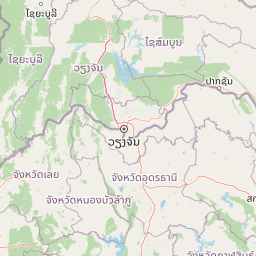
Understand where Nam Nao National Park sits in Thailand through a broader geographic reading of the surrounding landscape, nearby location context, and its mapped position within the national park landscape.

How Nam Nao National Park fits into Thailand

Thailand is a Southeast Asian nation formerly called Siam, located in mainland Southeast Asia. It operates as a unitary parliamentary constitutional monarchy under King Vajiralongkorn. The country borders Myanmar, Laos, Cambodia, and Malaysia, with maritime boundaries involving Vietnam, Indonesia, and India. Thailand has a population of nearly 66 million and covers approximately 513,120 km². Historically, the Sukhothai Kingdom marks the beginning of Thai history, followed by the powerful Ayutthaya Kingdom.

Wider geography shaping Nam Nao National Park in Thailand

Thailand occupies mainland Southeast Asia with borders to Myanmar (west/northwest), Laos (east/northeast), Cambodia (southeast), and Malaysia (south). The country has coastline along the Gulf of Thailand to the southeast and the Andaman Sea to the southwest. The territory covers approximately 513,120 km².

Map view of Nam Nao National Park

Use this park location map to pinpoint Nam Nao National Park in Thailand, understand its exact geographic position, and read its mapped placement within the surrounding landscape more clearly.

Pigeon | © OpenStreetMap contributors

Location context for Nam Nao National Park

Phetchabun Province
Park atlas

Compare diverse conservation landscapes, from pine forests to mountain ranges, across northern Thailand's protected areas.

Explore National Parks and Protected Areas Adjacent to Nam Nao National Park in Northern Thailand
Browse other national parks and protected areas near Nam Nao National Park, tracing the varied landscapes of Thailand's Phetchabun Mountains and adjacent regions. This atlas view facilitates direct comparison of diverse forest types, mountainous terrain, and distinct conservation landscapes, enhancing your geographic understanding.
National parkLoei Province

Phu Kradueng National Park: Sandstone Mesa Protected Landscape and Geographic Atlas

Discover mapped boundaries and pine savanna terrain.

Phu Kradueng National Park, situated in Loei Province, Thailand, is a remarkable protected area defined by its large sandstone mesa and striking cliff-edged summit plateau. This page offers detailed geographic insights into the park's unique landscape, including its pine savanna ecosystems, diverse forest types transitioning from lower slopes to the summit, and its cool, refreshing climate. Explore Phu Kradueng National Park's mapped boundaries and natural terrain for a deeper understanding of this significant conservation landscape.

Area
348 km²
Established
1962
IUCN
II
National parkThailand

Phu Pha Man National Park: Dramatic Cliffs, Caves, and Dinosaur Tracks in Thailand's Protected Landscape

Explore mapped geography and prehistoric fossil sites within Thailand's Phu Pha Man National Park.

Phu Pha Man National Park is a protected area in Thailand distinguished by its rugged limestone formations, significant cave networks, and dramatic waterfalls. Beyond its scenic beauty, the park is a globally important site for paleontology, holding Asia's oldest known dinosaur tracks. This page provides an atlas-style view of its protected landscape, local geography, and the unique prehistoric discoveries that define its identity.

Area
350 km²
Established
2000
IUCN
II
National parkThailand

Phu Hin Rong Kla National Park: A Protected Mountain Landscape in Northern Thailand

Explore rock formations, waterfalls, and unique historical terrain.

Phu Hin Rong Kla National Park, situated in northern Thailand, is a significant national park known for its dramatic mountainous terrain, including impressive fractured rock formations and numerous multi-tiered waterfalls. This protected area also holds historical importance, having served as a former communist insurgent stronghold. Its rugged landscape is defined by steep ridges, deep valleys, and diverse forest ecosystems, making it a compelling destination for understanding Thailand's natural and historical geography within a mapped context.

Area
307 km²
Established
1984
IUCN
II
National parkPhitsanulok Province

Namtok Chat Trakan National Park: Protected Mountain Forests and River Headwaters in Phitsanulok Province

Discover mapped geography and unique protected landscape features.

Namtok Chat Trakan National Park protects over 543 square kilometers of mountainous dipterocarp forest within Phitsanulok Province, Thailand. Established in 1987, it is recognized for its role as a vital watershed area, safeguarding the headwaters of the Khwae Noi River system. The park's rugged terrain, dense forests, and prominent waterfalls, including the multi-tiered Chat Trakan cascade, provide a distinct geographic identity. Explore the mapped boundaries and natural landscape of this significant protected area.

Area
543 km²
Established
1987
IUCN
II
National parkKhon Kaen Province

Nam Phong National Park: Mapped Protected Landscape and Geography in Khon Kaen Province

Explore scenic viewpoints, rock formations, and reservoir landscapes.

Nam Phong National Park presents a compelling case study in protected landscape geography, particularly within Thailand's northeastern region. This national park is defined by its mountainous terrain, featuring the Phu Phan Kham and Phu Meng ranges that dramatically meet the waters of the Ubol Ratana Dam reservoir. Its mapped boundaries encompass striking viewpoints like Hin Chang Si, prehistoric rock paintings, and geological formations, offering a detailed look at its natural and archaeological significance for atlas exploration.

Area
197 km²
Established
2000
IUCN
II
Visitors
68.3K annual
National parkSaraburi Province

Namtok Chet Sao Noi National Park: Protected Landscape and Seven-Tiered Waterfall Geography

Mapped terrain within Saraburi Province, Thailand.

Namtok Chet Sao Noi National Park offers a rich exploration of Thailand's natural geography, centered around its famous seven-tiered Chet Sao Noi waterfall. This national park, situated in Saraburi Province, features tropical rainforest ecosystems and distinctive landscapes within the Dong Phaya Yen mountains. Understand the park's mapped boundaries and its role as a vital protected area, providing insight into central Thailand's natural terrain and conservation efforts.

Area
42 km²
Established
2016
IUCN
II
National parkSakon Nakhon Province

Phu Phan National Park: Thailand's Protected Mountain Landscape and Natural Atlas Entry

Explore dry dipterocarp forest and unique terrain in Sakon Nakhon.

Phu Phan National Park offers a detailed look into Thailand's northeastern geography, characterized by its mountainous terrain and extensive dry dipterocarp forests. As a national park, it represents a vital protected landscape within Sakon Nakhon Province, showcasing unique geological formations and providing a rich context for atlas-based exploration. Discover the park's mapped boundaries, its ecological significance, and the distinct natural features that define this prominent Isan region protected area.

Area
665 km²
Established
1972
IUCN
II
National parkKamphaeng Phet Province

Khlong Wang Chao National Park: Thailand's Distinct Mountainous Protected Landscape in Kamphaeng Phet

Explore mapped boundaries and terrain of this significant national park.

Khlong Wang Chao National Park is a key protected area in western Thailand, recognized for its impressive mountainous geography within the Thanon Thong Chai Range. Spanning 747 square kilometers, the park features complex ridges, valleys, and Yen Mountain, its highest peak. Its designation as a national park highlights the importance of its dense teak forests and unique central valley formations, offering a rich subject for geographic and landscape exploration.

Area
747 km²
Established
1990
IUCN
II

Common questions about visiting, size, designation, and location context for Nam Nao National Park

Nam Nao National Park FAQs for park facts, access, geography, and protected area context
Find quick answers about Nam Nao National Park, including protected-area facts, park geography, trail and visitor context, and how the park fits into its surrounding country and regional landscape.
MoriAtlas Explorer

Continue Your Protected Areas Search Across the Global Atlas

Deepen your exploration by continuing the structured search for national parks and protected areas worldwide. Utilize the comprehensive filtering capabilities to compare different conservation landscapes and refine your understanding of global park geography. Discover more about the distribution and characteristics of protected natural areas.

Global natural geography