Why Phu Kradueng National Park stands out
Phu Kradueng is best known for its unique combination of a cool-climate mountain environment and dramatic sandstone landscape that stands apart from Thailand's more common tropical lowland parks. The summit plateau features a rare pine savanna ecosystem in this region, with sweeping grassy expanses dotted with pine trees and vibrant seasonal wildflowers. The mountain's sheer sandstone cliffs, particularly notable views from Lom Sak Cliff, create dramatic scenery that attracts visitors seeking panoramic vistas. The park's ecological diversity is striking, supporting multiple forest types from deciduous dipterocarp at lower elevations through mixed deciduous and dry evergreen to hill evergreen forests on the slopes, transitioning to the distinctive pine savanna at the summit. Wildlife includes elephants, bears, sambar deer, barking deer, serow, and white-handed gibbons, along with a notable array of bird species. The mountain's cultural name, meaning "large bell" from a local legend, adds a layer of folklore to its natural appeal.
Phu Kradueng National Park history and protected-area timeline
The protection of Phu Kradueng's natural environment has roots in both legend and formal governance. According to local legend, a hunter pursuing a bull discovered the mountain's summit, finding it covered with beautiful vast plains, pine forests, diverse plants, and abundant wildlife areas that had never before been seen. The mountain's scenic and ecological significance later attracted the attention of Prince Prachaksinlapakhom, who conducted a geographical survey of the area and presented his findings to the Ministry of Interior. In 1943, the Thai government issued a decree establishing a National Forest in the area, though initial efforts by the Royal Forest Department to establish a national park faced constraints from budget and personnel limitations. A significant turning point came on October 7, 1959, when the Cabinet passed a resolution to designate 14 forests across various provinces as national parks to permanently conserve natural resources for public benefit. The Forest Department subsequently proposed establishing Phu Kradueng as a national park under Section 6 of the National Park Act 1961, leading to its formal proclamation as a national park on 23 November 1962, making it Thailand's second national park after Khao Yai. In July 1977, the Cabinet approved revoking a small portion of the national park area, approximately 5 rai, at the request of the Air Force for use as a telecommunications relay station, with the land revocation processed in 1978.
Phu Kradueng National Park landscape and geographic character
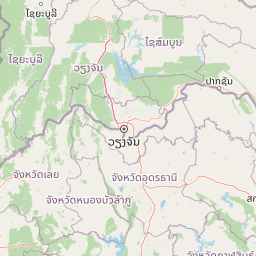
The physical landscape of Phu Kradueng is defined by its dramatic sandstone mesa formation rising from the northwest edge of the Khorat Plateau, positioned near the eastern slope of the Phetchabun mountain range. The mountain's geology consists of Jurassic and Cretaceous sandstone deposits that have been carved by erosion into the distinctive mesa form visible today. The summit plateau is roughly square-shaped, covering about 60 square kilometers or 37,500 rai, with an average elevation of approximately 1,250 meters and a maximum height of 1,316 meters at Khok Moei. The plateau's edges are marked by abrupt sandstone cliffs on the western, southern, and eastern sides, creating a visually striking boundary. The northern portion of the summit area has a more irregular shape, containing several streams and seasonal waterfalls. When viewed from above, the flat area resembles a bonfire or heart shape, with the tip of the leaf pointing southeast and the inner portion in the northeast. The mountain's base and foothills begin at elevations around 260 to 400 meters above sea level, with most of the mountain's area ranging between 400 and 1,200 meters. The landscape below the summit features steep terrain descending through various elevation zones toward the surrounding valleys.
Phu Kradueng National Park ecosystems, habitats, and plant life
The ecological character of Phu Kradueng is remarkably diverse for its size, encompassing multiple distinct vegetation zones that change with elevation. The steep mountain slopes support a succession of tropical forest types arranged in distinct tiers: deciduous dipterocarp forest at the lowest elevations, transitioning through mixed deciduous forest, then dry evergreen forest, and finally hill evergreen forest as altitude increases, with bamboo groves interspersed throughout these zones. This vertical arrangement of forest communities reflects the varying moisture and temperature conditions across the mountain's slopes. In stark contrast to the forested slopes, the summit plateau supports a unique pine savanna landscape characterized by sandy soils and open grassy areas dotted with pine trees. The dominant tree species across different forest types include Siamese sal (Shorea obtusa), Shorea siamensis, various Diospyros species, Lagerstroemia species, Podocarpus neriifolius, maple trees, Pinus latteri, and Pinus kesiya. The grass fields support diverse flowering plants including Hydrocera triflora, Torenia fournieri, and marigolds that bloom at different times throughout the year. Rocky areas host Dendrobium orchids, while the forest floor supports ferns, mosses, and Serissa species. Lady's slipper orchids of the genus Paphiopedilum grow attached to trees in the forest canopy.
Phu Kradueng National Park wildlife and species highlights
Phu Kradueng supports a diverse wildlife community that benefits from the variety of forest types and habitats found across the mountain. Large mammals present in the park include elephants and bears, along with several species of deer including sambar deer and barking deer. The serow, a type of goat-antelope, is also found in the mountainous terrain. Smaller mammals in the park include squirrels and foxes, while primate species include white-handed gibbons and crab-eating macaques. The bird population is particularly diverse, featuring species such as white-rumped shama, black eagle, silver pheasant, red-wattled lapwing, Chinese francolin, various minivet species, rufous-bellied eagle, Nepal house-martin, bush robin, Mugimaki flycatcher, and slaty-backed flycatcher. The park also supports a rare turtle species known locally as "Tao Poo Loo" or "Tao Hang," distinguished by its long tail and found living at high elevations along streams within the forest. Among insects, the blue pansy butterfly is a common and widespread species. This combination of forest-dwelling mammals, diverse birdlife, and specialized high-elevation species reflects the ecological value of the park's varied habitats.
Phu Kradueng National Park conservation status and protection priorities
Phu Kradueng National Park holds significant conservation importance as Thailand's second national park and a representative example of northeastern Thailand's montane ecosystems. The park protects a rare sandstone mesa formation that is geologically distinct within the region, preserving both the geological heritage and the diverse habitats that have developed on its slopes and summit. The multiple forest types, from deciduous dipterocarp through to hill evergreen and the unique pine savanna on the summit plateau, represent a conservation priority given their limited distribution in Thailand. The presence of species including elephants, bears, and various deer, along with the rare high-elevation turtle, indicates the ecological significance of the area as wildlife habitat. The park's annual closure during the rainy season from June through September demonstrates adaptive management for both visitor safety and ecosystem recovery, allowing the forest to regenerate during the period of heaviest rainfall when flash floods and cliff collapses pose risks. The closure also supports conservation by reducing human disturbance during the most vulnerable seasonal period for the mountain's ecosystems.
Phu Kradueng National Park cultural meaning and human context
The cultural identity of Phu Kradueng is deeply connected to local legend and the traditions of the Isan region of northeastern Thailand. The mountain's name originates from the Thai-Isan language, where "phu" derives from "phukao" meaning mountain, and "kradueng" (or "krading" in the local Loei dialect) translates to "large bell" or "rakhang yai." This name stems from a legend associated with a Buddhist holiday, during which many townspeople heard the sound of a large bell and believed it to be the bell of the deity Indra. This folklore element adds cultural depth to the mountain's identity beyond its geological and ecological features. The region has historical connections to Prince Prachaksinlapakhom, who conducted early geographical surveys of the area and documented its distinctive characteristics, contributing to the eventual recognition of its protected value.
Top sights and standout views in Phu Kradueng National Park
Phu Kradueng offers several standout features that distinguish it as a destination within Thailand's national park system. The dramatic sandstone cliffs, particularly Lom Sak Cliff, provide spectacular panoramic views that draw visitors seeking scenic landscapes. The summit plateau's pine savanna is a rare ecosystem in Thailand, offering an unusual combination of open grassy areas and pine forest that contrasts with typical tropical park environments. The cool climate, with average temperatures around 15 degrees Celsius and occasional winter frost, makes the park a refreshing escape from Thailand's hot lowland regions. The sunrise views from the mountain are particularly celebrated among visitors. The park's status as Thailand's second national park, established in 1962, gives it historical significance within the country's conservation movement. The diversity of forest types, from lower elevation dipterocarp forest through to hill evergreen and pine savanna, creates ecological variety that supports numerous wildlife species. The annual rainy season closure adds an element of seasonal planning for visitors while protecting the mountain's ecosystems.
Best time to visit Phu Kradueng National Park
The optimal time to visit Phu Kradueng National Park is during the cool, dry season from October through May, when temperatures remain comfortable and the mountain is open to visitors. November to February typically offers the most pleasant conditions with cool temperatures and clear skies, making it ideal for hiking and panoramic viewpoint visits. The park's closure from June through September coincides with the rainy season, when heavy rainfall creates risks of flash floods, cliff collapses, and landslides, particularly given the sandstone geology and steep terrain. During the rainy season, fog and low clouds often hang over the landscape, reducing visibility and creating challenging conditions. The cool season occasionally brings freezing temperatures on the coldest nights, adding to the mountain's distinctive character as a cool-climate destination in tropical Thailand. Visitors planning trips should account for the seasonal closure and aim to visit during the open months for the best experience and safety.