Why Namtok Chet Sao Noi National Park stands out
Namtok Chet Sao Noi National Park is best known for its distinctive seven-tiered waterfall, which gives the park its name and serves as its primary recreational attraction. The waterfall, named Chet Sao Noi or seven little girls waterfall, features approximately four-meter drops at each tier with spacious, shaded swimming areas beneath. The park is also notable for being Thailand's first national park established in the reign of King Rama X, marking a significant milestone in the country's conservation history. The Tree Tunnel along Highway 2089 is another distinctive feature, creating a shaded passage over 200 meters long where the road passes beneath a canopy of trees.
Namtok Chet Sao Noi National Park history and protected-area timeline
Namtok Chet Sao Noi National Park was officially established on 26 December 2016, becoming the 129th national park in Thailand and the first protected area designated during the reign of King Maha Vajiralongkorn (King Rama X). The park was upgraded from its previous status as a forest park, reflecting the Thai government's decision to elevate the area's protection level and provide it with the full institutional framework of a national park. The designation represented part of Thailand's broader strategy to expand and strengthen its protected area network, which had been growing since the establishment of the first national parks in the 1960s. The choice of a waterfall as the central feature for the park followed a tradition in Thai national parks of preserving notable natural landmarks, as waterfalls have historically served as focal points for both recreation and conservation in Thailand. The park's relatively recent establishment means it represents contemporary approaches to protected area management in Thailand, incorporating modern conservation principles while serving as a destination for visitors seeking natural beauty and outdoor recreation.
Namtok Chet Sao Noi National Park landscape and geographic character
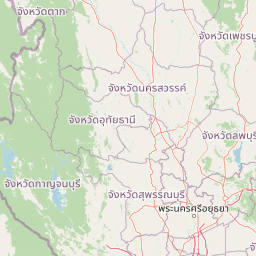
The landscape of Namtok Chet Sao Noi National Park is characterized by forested hills and valleys within the Dong Phaya Yen mountain range, part of the larger Phanom Dong Rak mountain system that forms a natural boundary between central and northeastern Thailand. The terrain features rolling slopes and stream-cut valleys where the park's numerous waterways have carved their courses through the forest. The standout geographic feature is the Chet Sao Noi waterfall itself, a seven-tiered cascade where water descends through a series of drops, each approximately four meters in height, creating pools and swimming areas at each level. The waterfall is fed by a stream that flows through the park, and the area around the cascade is characterized by lush vegetation and shaded pools that attract both wildlife and visitors. A distinctive man-made landscape element is the Tree Tunnel along Highway 2089, where roadside trees have formed a natural canopy creating a shaded passage over 200 meters in length, connecting the Muak Lek area with Wang Muang.
Namtok Chet Sao Noi National Park ecosystems, habitats, and plant life
The park supports tropical rainforest vegetation across its 42-square-kilometre extent, with the canopy dominated by various tree species adapted to the seasonal monsoon climate of central Thailand. The forest composition includes species such as Pterocarpus macrocarpus, Sterculia foetida, Bombax ceiba, Garuga pinnata, and Fernandoa adenophylla, representing the typical species mix of semi-evergreen and dry dipterocarp forests found in this elevation zone. The park's streams and riparian zones support additional vegetation suited to more moist conditions, while the general forest structure provides habitat for numerous bird and mammal species. The presence of diverse habitats ranging from hill forest to stream corridors contributes to the park's ecological value, supporting both resident species and seasonal visitors that utilize the area as a corridor between larger protected landscapes.
Namtok Chet Sao Noi National Park wildlife and species highlights
The wildlife community in Namtok Chet Sao Noi National Park reflects the tropical forest ecosystems of central Thailand, with the park hosting a mix of mammal, bird, and reptile species adapted to the forested environment. Mammal species recorded in the park include serow, a goat-antelope commonly found in Thai forests, golden jackal, yellow-throated marten, small civet, palm civet, porcupine, Burmese hare, and various squirrel species including ground squirrel, striped squirrel, and flying squirrel. Larger mammals present include mongoose species and the Sunda pangolin, a scaly mammal of conservation concern. The bird population includes species such as black baza, palm swift, and the birdwing butterfly Troides aeacus, a protected swallowtail species. Reptiles recorded in the park include the snail-eating turtle, Tokay gecko, monitor lizards, water monitors, and Burmese python, representing the typical reptile diversity found in Thai forest habitats.
Namtok Chet Sao Noi National Park conservation status and protection priorities
Namtok Chet Sao Noi National Park represents a meaningful addition to Thailand's conservation estate, protecting an area of tropical forest and watershed that contributes to broader ecosystem health in the Dong Phaya Yen region. The park's establishment in 2016 reflected Thailand's commitment to maintaining biodiversity through the national park system, which has been the cornerstone of the country's protected area strategy since the 1960s. The elevation from forest park to national park status provided stronger legal protection and institutional resources for managing the area's natural resources. The park serves as a buffer and connector within a landscape that includes several other protected areas and non-hunting areas, contributing to habitat connectivity for wildlife moving between larger protected zones. The preservation of the Chet Sao Noi waterfall and its surrounding forest also protects watershed values that benefit downstream areas in Saraburi and Nakhon Ratchasima provinces.
Namtok Chet Sao Noi National Park cultural meaning and human context
The name Chet Sao Noi, meaning seven little girls waterfall, reflects the park's connection to local cultural traditions and naming practices common throughout Thailand where natural features are associated with folklore and legend. The seven tiers of the waterfall are the basis for this name, with multiple stories existing in local tradition about the origin of the waterfall's name. The area has been a local recreational destination for some time before its national park designation, with visitors coming to swim in the waterfall pools and enjoy the shaded forest environment. The Tree Tunnel along Highway 2089 represents a local landmark that has become associated with the park area, providing a distinctive travel experience for visitors passing through the region.
Top sights and standout views in Namtok Chet Sao Noi National Park
The seven-tiered Chet Sao Noi waterfall remains the park's primary attraction, offering visitors the opportunity to swim in the pools beneath each tier while surrounded by forest scenery. The Tree Tunnel along Highway 2089 provides a unique driving or walking experience through a natural canopy of trees spanning over 200 meters. Muak Lek Creek offers additional water-based recreation opportunities within the park. The combination of accessible waterfall recreation, forest trails, and the distinctive tree-covered road makes the park a popular destination for both local visitors and tourists exploring the central Thailand region. The park's status as the first national park of King Rama X's reign adds a layer of historical significance for visitors interested in Thailand's conservation chronology.
Best time to visit Namtok Chet Sao Noi National Park
The best time to visit Namtok Chet Sao Noi National Park is during the cool dry season from November to February when temperatures are more comfortable for outdoor activities and the waterfall typically maintains good flow. The wet season from May to October brings heavier rainfall that can increase water volume at the falls but may also create less favorable conditions for some visitors. The period just after the wet season, in October and November, often provides a good balance with refreshed water flow and relatively mild weather. Visitors planning to swim at the waterfall should be aware that water levels vary with seasonal rainfall patterns, and the dry season months typically offer the most consistent swimming conditions. Morning visits generally provide cooler temperatures and the opportunity to enjoy the waterfall before it becomes crowded.