
Mori Atlas logo
National parkPang Sida National Park

Discover mapped terrain and biodiversity within Sa Kaeo Province, Thailand.

Pang Sida National Park: Protected Landscape Atlas and Geographic Context

(Utthayan Haeng Chat Pang Sida)

Pang Sida National Park stands as a significant protected natural area within Sa Kaeo Province, Thailand, covering approximately 844 square kilometers of the Sankamphaeng Range. As a vital component of the UNESCO World Heritage-listed Dong Phayayen-Khao Yai Forest Complex, its vast, contiguous forest ecosystems offer unparalleled opportunities for atlas-driven exploration. The park's diverse terrain, encompassing mountainous forests and grasslands, forms a critical corridor for exceptional wildlife and presents a unique geographic context for understanding regional conservation landscapes.

National ParkThailandUNESCO World Heritage SiteEastern ThailandSankamphaeng RangeForest Conservation

Pang Sida National Park

National park

Park overview

Structured park overview, official facts, and landscape profile for Pang Sida National Park

Pang Sida National Park park facts, protected area profile, and essential visitor context
Review the core facts for Pang Sida National Park, including designation, size, terrain, visitor scale, habitats, and operating context in one park-focused overview.

About Pang Sida National Park

Pang Sida National Park represents a critical conservation node within Thailand's eastern forest corridor, protecting a substantial portion of the Sankamphaeng Range that forms the geological backbone of Sa Kaeo Province. The park's 844-square-kilometre expanse encompasses elevation gradients that support multiple vegetation zones, from lowland evergreen forest through montane habitats. This topographic diversity translates directly to ecological richness, with the park supporting documented populations of 81 mammal species, 143 bird species, 19 reptile species, 16 amphibian species, and 19 freshwater fish species. The park's position within the larger Dong Phayayen-Khao Yai Forest Complex connects it to Thap Lan National Park, Khao Yai National Park, Ta Phraya National Park, and the Dong Yai Wildlife Sanctuary, creating a contiguous conservation landscape that facilitates wildlife movement across provincial boundaries. This connectivity is particularly important for large mammals requiring extensive home ranges, including Asian elephant, gaur, and leopard.

Quick facts and research context for Pang Sida National Park

Pang Sida National Park occupies 844 square kilometres in the Sankamphaeng Range of Sa Kaeo Province, approximately 28 kilometres north of the provincial capital. The park was established in 1982 and holds IUCN Category II protected area designation. It forms part of the Dong Phayayen-Khao Yai Forest Complex UNESCO World Heritage Site, which stretches across central eastern Thailand. The park features diverse habitats including evergreen forest, dipterocarp woodland, and montane grasslands. Visitor facilities include campgrounds, a visitor centre, and accommodation options near the entrance.

Park context

Deeper park guide and search-rich context for Pang Sida National Park

Pang Sida National Park history, landscape, wildlife, and travel context
Explore Pang Sida National Park through its history, landscape character, ecosystems, wildlife, conservation priorities, cultural context, and seasonal travel timing in a structured park guide built for atlas discovery and search intent.

Why Pang Sida National Park stands out

Pang Sida National Park is best known for its exceptional vertebrate biodiversity, with 271 documented species including rare and endangered mammals such as the dhole (a wild dog with fewer than 2,500 adults remaining globally), the critically endangered Siamese crocodile, and significant populations of gaur and Asian elephant. The park's butterfly concentrations near the entrance area attract visitors seeking intimate wildlife encounters, while the Gaur grassland observation point six kilometres from the entrance provides structured opportunities to view large mammals. The park's inclusion in the UNESCO World Heritage-listed Dong Phayayen-Khao Yai Forest Complex underscores its significance as a biodiversity corridor connecting larger protected areas in central Thailand.

Pang Sida National Park history and protected-area timeline

Pang Sida National Park was established in 1982 as part of Thailand's expanding network of protected areas during a period when conservation planning began emphasizing landscape-scale connectivity rather than isolated reserves. The park's designation came during a phase of increased recognition of the ecological value of Thailand's eastern forest belt, which had been subjected to logging pressure and agricultural expansion through the latter twentieth century. The Department of National Parks, Wildlife and Plant Conservation assumed management authority, integrating the park into Thailand's national park system under IUCN Category II classification. Subsequent recognition of the Dong Phayayen-Khao Yai Forest Complex as a UNESCO World Heritage Site in 2005 elevated Pang Sida's international conservation profile and reinforced management priorities focused on maintaining ecological integrity within the broader forest complex.

Pang Sida National Park landscape and geographic character

The physical geography of Pang Sida National Park is defined by the Sankamphaeng Range, a mountainous upland formation that extends across eastern Thailand and forms part of the larger Annamite Range system. The terrain features steep ridgelines, deep valleys, and elevated plateaus that create a rugged topographical character contrasting with the more subdued agricultural landscapes surrounding the park boundaries. Forest cover dominates the park's extent, with evergreen and semi-evergreen dipterocarp forest occupying valley floors and lower slopes while montane forest communities occur at higher elevations. The park contains seasonal watercourses that feed tributaries of larger river systems, and the Pang Sida waterfall represents a notable hydrological feature accessible to visitors. Grassland areas, particularly the Gaur grassland zone approximately six kilometres from the entrance, provide open habitat where large herbivores congregate, offering wildlife observation opportunities distinct from the forest interiors.

Pang Sida National Park ecosystems, habitats, and plant life

The ecological character of Pang Sida reflects its position within the Indo-Burma biodiversity hotspot, one of the world's most species-rich temperate forests. The park's habitats support a remarkable vertebrate assemblage, with the 271 documented species representing both common Southeast Asian forest fauna and species of significant conservation concern. The critically endangered Siamese crocodile persists in the park's aquatic environments, representing one of the few remaining populations in Thailand outside of managed breeding facilities. The dhole, a social canid facing global population decline, maintains a presence in the park, with the IUCN estimating fewer than 2,500 mature individuals remaining worldwide. Forest-dwelling ungulates including gaur, sambar deer, and barking deer occupy varied habitats within the park, while primates such as the white-handed gibbon and pig-tailed macaque maintain viable populations in the forested areas. The park's bird community includes both resident and migratory species, with the grey heron and purple heron representing notable waterbird presence in wetland areas.

Pang Sida National Park wildlife and species highlights

The mammalian fauna of Pang Sida includes several species that rank among Thailand's most significant wildlife attractions. Asian elephants traverse the park's forested areas in search of forage, while the gaur, the largest wild cattle species in the world, occupies the grassland and forest edge habitats. Predatory species include the leopard and the dhole, with the latter hunting in coordinated packs that represent a spectaclar natural history spectacle when encountered. The park provides crucial habitat for bear species, with both the Malayan sun bear and Asiatic black bear present in the forested terrain. Primate diversity includes the white-handed gibbon, whose characteristic calls echo through the forest canopy, and the pig-tailed macaque, which often forages in areas proximate to visitor facilities. The critically endangered Siamese crocodile inhabits the park's rivers and wetlands, representing a conservation success for a species nearly extinct in the wild across its former range. Birdlife features the grey heron and purple heron as notable large waterbirds, while the butterfly concentrations near the park entrance provide invertebrate wildlife viewing opportunities that distinguish Pang Sida from many other Thai protected areas.

Pang Sida National Park conservation status and protection priorities

Pang Sida National Park contributes to regional conservation through its role within the Dong Phayayen-Khao Yai Forest Complex, a UNESCO World Heritage Site that represents one of Southeast Asia's most significant protected area networks. This designation reflects the complex's exceptional biodiversity value and its function as an ecological corridor connecting multiple protected areas across central eastern Thailand. The park's management by the Department of National Parks balances conservation objectives with sustainable visitor access, implementing controls such as guided access requirements for deeper park areas to protect both visitor safety and wildlife disturbance concerns. Conservation challenges include maintaining habitat connectivity for wide-ranging species such as Asian elephant and gaur, which require landscape-scale movement corridors that extend beyond individual protected area boundaries. The presence of critically endangered species including the Siamese crocodile adds particular conservation significance to the park, as these populations contribute to species survival prospects beyond managed breeding programs.

Pang Sida National Park cultural meaning and human context

Pang Sida National Park occupies land within the traditional territory of communities whose relationship with the forested landscape predates formal protected area establishment. The park's name derives from Thai language sources reflecting local geographical and cultural naming conventions. While the Wikipedia source emphasizes natural history content, the park exists within a regional context where forest resources have historically supported local livelihoods, and contemporary management must navigate the intersection of conservation objectives with community interests. The park's proximity to Sa Kaeo City places it within a region that has experienced development pressure as Thailand's economy has expanded, making the protected area's role in maintaining ecological connectivity increasingly important for regional environmental quality.

Top sights and standout views in Pang Sida National Park

Pang Sida National Park offers visitors structured wildlife observation opportunities through designated viewing points, most notably the Gaur grassland observation tower approximately six kilometres from the entrance where large mammals can be viewed from elevated positions that minimize disturbance. The Pang Sida waterfall provides a natural attraction accessible from the main visitor area, while the butterfly concentrations near the entrance offer seasonal invertebrate viewing within a controlled visitor zone. The park's position within the UNESCO-listed Dong Phayayen-Khao Yai Forest Complex connects it to a larger network of protected areas, making it part of a regional conservation landscape of international significance. Camping facilities and multiple trail options enable visitors to experience the park's diverse habitats, while the relative accessibility from Sa Kaeo makes Pang Sida a practical destination for those seeking to explore Thailand's eastern forest ecosystems without extensive travel requirements.

Best time to visit Pang Sida National Park

Pang Sida National Park can be visited throughout the year, though the dry season from November through April generally offers more comfortable conditions for outdoor exploration with reduced precipitation and clearer visibility for wildlife observation. The cool season from November to February provides the most temperate conditions for hiking and camping, while the transitional period in March and April sees warming temperatures that may increase wildlife activity near water sources. The wet season from May through October brings higher precipitation that can affect trail conditions and accessibility of more remote park areas, though the resulting vegetation density and water levels can create different visual character in the landscape. Butterfly concentrations near the entrance area vary seasonally, with certain times of year offering more spectacular displays than others.

Park location guide

Geography guide, regional context, and park location map for Pang Sida National Park

Pang Sida National Park park geography, regions, and map view in Thailand
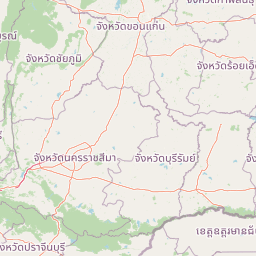
Understand where Pang Sida National Park sits in Thailand through a broader geographic reading of the surrounding landscape, nearby location context, and its mapped position within the national park landscape.

How Pang Sida National Park fits into Thailand

Thailand is a Southeast Asian nation formerly called Siam, located in mainland Southeast Asia. It operates as a unitary parliamentary constitutional monarchy under King Vajiralongkorn. The country borders Myanmar, Laos, Cambodia, and Malaysia, with maritime boundaries involving Vietnam, Indonesia, and India. Thailand has a population of nearly 66 million and covers approximately 513,120 km². Historically, the Sukhothai Kingdom marks the beginning of Thai history, followed by the powerful Ayutthaya Kingdom.

Wider geography shaping Pang Sida National Park in Thailand

Thailand occupies mainland Southeast Asia with borders to Myanmar (west/northwest), Laos (east/northeast), Cambodia (southeast), and Malaysia (south). The country has coastline along the Gulf of Thailand to the southeast and the Andaman Sea to the southwest. The territory covers approximately 513,120 km².

Map view of Pang Sida National Park

Use this park location map to pinpoint Pang Sida National Park in Thailand, understand its exact geographic position, and read its mapped placement within the surrounding landscape more clearly.

Pigeon | © OpenStreetMap contributors

Location context for Pang Sida National Park

Sa Kaeo Province
Park atlas

Explore the surrounding protected landscapes within the Sankamphaeng Range and the wider Dong Phayayen-Khao Yai Forest Complex.

Discover Other National Parks Near Pang Sida National Park, Eastern Thailand
After exploring Pang Sida National Park, continue your geographic discovery by browsing other national parks and protected areas within Thailand's eastern region, focusing on locations near the Sankamphaeng Range. Compare diverse conservation landscapes, trace the regional spread of the Dong Phayayen-Khao Yai Forest Complex, and deepen your understanding of connected protected areas.
National parkSaraburi Province

Namtok Chet Sao Noi National Park: Protected Landscape and Seven-Tiered Waterfall Geography

Mapped terrain within Saraburi Province, Thailand.

Namtok Chet Sao Noi National Park offers a rich exploration of Thailand's natural geography, centered around its famous seven-tiered Chet Sao Noi waterfall. This national park, situated in Saraburi Province, features tropical rainforest ecosystems and distinctive landscapes within the Dong Phaya Yen mountains. Understand the park's mapped boundaries and its role as a vital protected area, providing insight into central Thailand's natural terrain and conservation efforts.

Area
42 km²
Established
2016
IUCN
II
National parkRayong Province

Khao Chamao, Khao Wong National Park: Protected Area Atlas and Mountain Landscape Context

Rayong Province's vital national park with mapped terrain and waterfalls.

Delve into the geography of Khao Chamao, Khao Wong National Park, a designated national park in Thailand's Rayong Province, forming a western extension of the Cardamom Mountains. This page provides detailed mapped context for its protected boundaries, forested hills, and prominent peaks, highlighting its importance as a habitat and an atlas entry for understanding regional landscapes. Explore the park's terrain and its role in conservation.

Area
84 km²
Established
1975
IUCN
II
National parkSaraburi Province

Namtok Sam Lan National Park: A Mapped Protected Landscape in Saraburi Province

Explore its terrain, waterfalls, and regional geography.

Gain detailed geographic insight into Namtok Sam Lan National Park, a vital protected area situated in Thailand's Saraburi Province. This destination provides a rich atlas view of its landscape, featuring prominent waterfalls and mixed forest ecosystems. Understand the park's specific location, mapped terrain, and its contribution to the regional geography, offering a concrete point for exploration.

Area
45 km²
Established
1981
IUCN
II
National parkRayong Province

Khao Laem Ya, Mu Ko Samet National Park: Marine National Park and Protected Island Geography

Coastal terrain and archipelago mapped within Rayong Province.

Delve into Khao Laem Ya, Mu Ko Samet National Park, a significant marine protected area located in Rayong Province, Thailand. This atlas entry highlights the park's archipelago of islands, including Ko Samet, its mainland coastal features like Khao Laem Ya, and the surrounding Gulf of Thailand waters. Understand the park's role in coastal conservation, its mapped marine environments, and its unique blend of terrestrial and aquatic protected landscapes for geographic discovery.

Area
131 km²
Established
1981
IUCN
II
Visitors
1.6M annual
National parkSiem Reap Province

Phnom Kulen National Park: Protected Highland Landscape and Khmer Empire Origins in Siem Reap

Explore ancient Khmer sites and natural terrain within this Cambodian national park.

Phnom Kulen National Park offers a unique glimpse into Cambodia's geographic and historical richness. As a protected national park in Siem Reap Province, it preserves a distinct highland landscape characterized by sandstone formations, evergreen forests, and sacred sites. Discover the mapped boundaries of this important conservation area, trace the historical significance of the Khmer Empire's origins, and explore the natural terrain that defines this culturally significant region.

Area
373.76 km²
Established
1993
IUCN
II
National parkSisaket Province

Khao Phra Wihan National Park: Protected Landscape and Archaeological Atlas Gateway

Explore dramatic red sandstone cliffs and historic Khmer ruins.

Khao Phra Wihan National Park in Sisaket Province, Thailand, is a protected landscape distinguished by its dramatic Pha Mo I Daeng red sandstone cliff and its role as a gateway to significant Khmer archaeological sites. This national park offers a deep dive into the region's unique geography, featuring rugged terrain, distinctive forest ecosystems, and prehistoric rock art. As a key entry point for understanding the Preah Vihear Temple's context, the park provides rich material for atlas-based exploration of border landscapes and historical terrain.

Area
130 km²
Established
1998
IUCN
II
National parkCambodia

Central Cardamom Mountains National Park: Cambodia's Premier Protected Rainforest Landscape

Explore Extensive Rainforest, Diverse Habitats, and Mountain Terrain

Central Cardamom Mountains National Park is Cambodia's largest protected area, a testament to significant rainforest conservation efforts. This national park spans approximately 4,010 square kilometers, showcasing a dynamic mountainous landscape with diverse ecological zones from coastal areas to peaks over 1,500 meters. Discover the geographic distribution of its protected boundaries and the rich tapestry of habitats that define this vital Southeast Asian natural reserve, offering deep context for atlas-based exploration.

Area
4,010.65 km²
Established
1999
IUCN
II
National parkKhon Kaen Province

Nam Phong National Park: Mapped Protected Landscape and Geography in Khon Kaen Province

Explore scenic viewpoints, rock formations, and reservoir landscapes.

Nam Phong National Park presents a compelling case study in protected landscape geography, particularly within Thailand's northeastern region. This national park is defined by its mountainous terrain, featuring the Phu Phan Kham and Phu Meng ranges that dramatically meet the waters of the Ubol Ratana Dam reservoir. Its mapped boundaries encompass striking viewpoints like Hin Chang Si, prehistoric rock paintings, and geological formations, offering a detailed look at its natural and archaeological significance for atlas exploration.

Area
197 km²
Established
2000
IUCN
II
Visitors
68.3K annual

Common questions about visiting, size, designation, and location context for Pang Sida National Park

Pang Sida National Park FAQs for park facts, access, geography, and protected area context
Find quick answers about Pang Sida National Park, including protected-area facts, park geography, trail and visitor context, and how the park fits into its surrounding country and regional landscape.
MoriAtlas Explorer

Continue Your Protected Areas Search Across the Global Atlas

Deepen your exploration by continuing the structured search for national parks and protected areas worldwide. Utilize the comprehensive filtering capabilities to compare different conservation landscapes and refine your understanding of global park geography. Discover more about the distribution and characteristics of protected natural areas.

Global natural geography