
Mori Atlas logo
National parkSiberut National Park

Discover the unique geography and isolated ecosystem of this West Sumatra national park.

Siberut National Park: Protected Island Landscape and Endemic Primate Atlas

(Taman Nasional Siberut)

Siberut National Park, located off the west coast of Sumatra in West Sumatra, Indonesia, represents a critical protected landscape shaped by over 500,000 years of geographic isolation. This page offers an atlas-driven exploration of its unique island ecosystem, characterized by lowland rainforest, swamp forest, and mangrove habitats. Users can delve into the park's mapped boundaries and geographic context, understanding its significance as a sanctuary for exceptionally evolved flora and fauna, including endemic primates.

Tropical rainforestEndemic primatesIsland ecosystemBiosphere reserveImportant Bird AreaMangrove forests

Siberut National Park

National park

Park overview

Structured park overview, official facts, and landscape profile for Siberut National Park

Siberut National Park park facts, protected area profile, and essential visitor context
Review the core facts for Siberut National Park, including designation, size, terrain, visitor scale, habitats, and operating context in one park-focused overview.

About Siberut National Park

Siberut National Park occupies the western two-thirds of Siberut Island, the largest and most biologically significant island in the Mentawai archipelago. The island lies approximately 150 kilometers off the west coast of Sumatra in the Indian Ocean, and its isolation has allowed evolution to proceed along distinct pathways for hundreds of thousands of years. The park's establishment in 1992 formalized protection for landscapes that had been recognized as ecologically significant since the 1970s, when initial wildlife refuge and nature reserve designations were put in place. The national park designation came after decades of growing scientific understanding of the island's unique biodiversity value, culminating in its recognition as part of the World Network of Biosphere Reserves. Beyond its biological significance, the park encompasses territories where the Mentawai people have maintained their traditional forest-based culture, creating a landscape where human communities and wild ecosystems coexist in ways increasingly rare in Southeast Asia. The park's coastal sections transition through mangrove forests into lowland rainforest, while interior areas feature the island's characteristic hilly terrain covered in dipterocarp-dominated forest. Rivers originating in the island's interior flow westward through the park to the sea, creating freshwater corridors that connect forest ecosystems.

Quick facts and research context for Siberut National Park

Siberut National Park is located on Siberut Island in the Mentawai Islands archipelago of West Sumatra, Indonesia. The park covers 1,905 square kilometers and was established in 1992 under the management of Indonesia's Ministry of Forestry. It protects a portion of a biosphere reserve that encompasses the entire island, designated as such in 1981. The park contains five distinct forest ecosystem types and is recognized as an Important Bird Area by BirdLife International. It protects four critically endangered endemic primate species found nowhere else on Earth.

Park context

Deeper park guide and search-rich context for Siberut National Park

Siberut National Park history, landscape, wildlife, and travel context
Explore Siberut National Park through its history, landscape character, ecosystems, wildlife, conservation priorities, cultural context, and seasonal travel timing in a structured park guide built for atlas discovery and search intent.

Why Siberut National Park stands out

Siberut National Park is best known for its exceptional endemism resulting from the Mentawai Islands' long-term isolation from mainland Sumatra. The park protects four endangered primate species that occur only on Siberut: Kloss's gibbon, Siberut macaque, Siberut langur, and pig-tailed langur. With 19 endemic bird species among 134 total, the island hosts one of Indonesia's most significant concentrations of restricted-range avifauna. The park also preserves traditional Mentawai communities who continue forest-dwelling hunter-gatherer lifestyles, making it one of the few places where indigenous people live within a functioning national park ecosystem.

Siberut National Park history and protected-area timeline

Formal protection of Siberut's environment began in 1976 with the creation of the Teitei Batti Wildlife Refuge, covering 6,500 hectares in the island's interior. This initial protection zone reflected growing awareness of the island's unique wildlife and the need to preserve its forest ecosystems. In 1979, the protected area was significantly expanded to 56,500 hectares and upgraded to Nature Reserve status, reflecting the expanding understanding of the island's ecological significance beyond the initial refuge boundaries. A landmark moment came in 1981 when the entire island of Siberut was declared a biosphere reserve under the UNESCO Man and the Biosphere Programme, recognizing both the biological importance of the island's ecosystems and the cultural significance of its indigenous Mentawai communities. In 1993, the Siberut National Park was formally established with an area of 190,500 hectares, bringing comprehensive national park protection to the core of the island's forest ecosystems. This progression from wildlife refuge to national park reflects a deepening institutional commitment to preserving one of Indonesia's most ecologically significant island landscapes.

Siberut National Park landscape and geographic character

Siberut Island features a landscape of rounded hills and lowland terrain that rises from narrow coastal plains into interior elevations that rarely exceed 1,000 meters. The island's terrain is characterized by steep-sided valleys carved by numerous rivers that drain westward through the national park to the Indian Ocean. The coastal zone within the park encompasses mangrove forests along tidal waterways and estuaries, transitioning into coastal forest characterized by beach vegetation and strand species. Moving inland, the landscape shifts to lowland dipterocarp rainforest on the valley floors and lower slopes, with hill dipterocarp forest covering the steeper ridgelines. The park also includes areas of freshwater swamp forest in valley bottoms where drainage is poor, creating distinct hydrological and vegetation patterns from the better-drained slopes. Rivers such as the Siberut River and its tributaries traverse the park, providing both ecological corridors and scenic landscape elements that define the park's character.

Siberut National Park ecosystems, habitats, and plant life

The ecosystems within Siberut National Park represent some of the most biologically significant in Southeast Asia due to the island's extended period of isolation. The park contains five distinct ecosystem types, with Dipterocarpaceae rainforest dominating the landscape across most of the protected area. This lowland evergreen rainforest features the characteristic tall trees and dense canopy of Asian tropical forest, supporting complex ecological communities. Beyond the dominant dipterocarp forest, the park encompasses mixed primary forest in areas where disturbance has created diverse stand compositions, swamp forest in poorly drained valleys, coastal forest along the shoreline, and mangrove forest in tidal zones. A total of 864 plant species have been documented within the park, though scientific surveys continue to record additional species, suggesting the full floristic diversity may be even greater than currently known. The island's status as a biosphere reserve recognizes not only the biodiversity value but also the ecological processes that maintain these ecosystems, including nutrient cycling, pollination, and seed dispersal by endemic fauna.

Siberut National Park wildlife and species highlights

Siberut National Park protects an extraordinary concentration of endemic wildlife, particularly among primates and birds. The park is home to four endangered primate species found nowhere else on Earth: Kloss's gibbon, the Siberut macaque, the Siberut langur, and the pig-tailed langur. This assemblage of endemic primates makes the park globally significant for primate conservation. Among the 31 mammal species documented in the park, four are endemic species of squirrel, reflecting the island's evolutionary distinctiveness. The bird fauna is equally remarkable, with 134 species recorded including 19 endemic species restricted to the Mentawai Islands. Notable among these is the Mentawai scops owl, one of several endemic bird species that draw ornithological attention to the island. The park's recognition as an Important Bird Area by BirdLife International underscores its significance for global bird conservation. The marine and coastal environments within the park's boundaries support additional wildlife including sea turtles and coastal bird species that utilize the mangrove and beach habitats.

Siberut National Park conservation status and protection priorities

Siberut National Park sits at the center of broader conservation challenges facing the Mentawai Islands ecosystem. While the park itself is protected, approximately 70 percent of the island's forests outside the national park boundaries remain under logging concessions, creating significant pressures on the broader ecosystem and potentially affecting the viability of species populations within the protected area. The isolation that makes the park's biodiversity so valuable also makes it vulnerable, as populations of endemic species cannot be supplemented from mainland sources if local populations decline. Conservation efforts recognize that effective protection requires addressing threats beyond park boundaries and maintaining ecological connectivity across the island landscape. The island's biosphere reserve status provides a framework for balancing conservation with sustainable use in community areas, though implementing this balance remains an ongoing challenge. The park's four endemic primate species face particular conservation concern due to their restricted ranges and the threats posed by habitat fragmentation and hunting.

Siberut National Park cultural meaning and human context

The Mentawai people have inhabited Siberut Island for thousands of years, maintaining a traditional culture deeply connected to the island's forest ecosystems. Unlike many indigenous communities that have been displaced from protected areas globally, the Mentawai continue to live within and around Siberut National Park, practicing traditional hunter-gatherer and semi-nomadic lifestyles that have shaped both their culture and the landscape they inhabit. Their traditional knowledge of forest resources, wildlife behavior, and ecological patterns represents a body of understanding developed over generations of close interaction with the island's environment. The Mentawai maintain distinctive cultural practices including traditional tattooing, unique spiritual beliefs, and social organization patterns that differ significantly from mainland Indonesian cultures. The park's designation as a biosphere reserve explicitly recognizes both the biological significance of the island and the cultural importance of its indigenous communities, attempting to create a conservation model that preserves both natural heritage and traditional human cultures.

Top sights and standout views in Siberut National Park

Siberut National Park offers exceptional opportunities to experience one of Indonesia's most ecologically isolated island landscapes with remarkably concentrated endemic wildlife. The chance to observe Kloss's gibbon, Siberut macaque, and the other endemic primates in their natural forest habitat represents a wildlife experience available nowhere else on Earth. The park's rivers and coastal environments provide scenic and recreational opportunities within pristine tropical forest settings. The presence of traditional Mentawai communities offers cultural dimensions rarely accessible in protected areas elsewhere, though visitor interactions are managed sensitively. The island's five ecosystem types can be experienced through trekking routes that traverse lowland rainforest, swamp forest, and coastal mangrove zones, offering ecological diversity within a single protected area.

Best time to visit Siberut National Park

The optimal time to visit Siberut National Park falls during the dry season, typically from April to October, when rainfall is reduced and river conditions are suitable for travel through the park's interior. The wet season from November to March brings more frequent rainfall that can restrict access to some areas and make forest trails more challenging. Year-round, the park's forest environments remain humid and tropical in character. Wildlife viewing is generally more productive during the drier months when animals congreg more visibly at water sources, though the island's resident species can be observed throughout the year. Visitors should plan for the logistical realities of reaching Siberut, which requires boat travel from the Sumatra mainland, and should coordinate with park authorities regarding access permissions and local guides.
Park location guide

Geography guide, regional context, and park location map for Siberut National Park

Siberut National Park park geography, regions, and map view in Indonesia
Understand where Siberut National Park sits in Indonesia through a broader geographic reading of the surrounding landscape, nearby location context, and its mapped position within the national park landscape.

How Siberut National Park fits into Indonesia

Indonesia is a vast archipelagic nation in Southeast Asia and Oceania, spanning over 17,000 islands between the Indian and Pacific Oceans. As the world's fourth-most populous country with 288 million people, it features extraordinary cultural and biological diversity, withJavanese and Sundanese being the largest ethnic groups. The country gained independence from the Netherlands in 1945 and operates as a unitary presidential republic.

Wider geography shaping Siberut National Park in Indonesia

Indonesia is situated in Southeast Asia and Oceania, spanning the equatorial region between the Indian Ocean to the west and the Pacific Ocean to the east. The archipelago includes major islands such as Sumatra, Java, Sulawesi, and parts of Borneo and New Guinea. It borders Papua New Guinea, Timor-Leste, and Malaysia by land, with extensive maritime boundaries throughout the region.

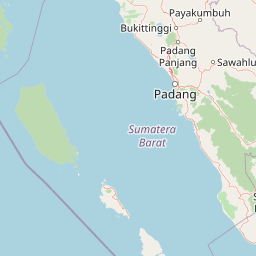
Map view of Siberut National Park

Use this park location map to pinpoint Siberut National Park in Indonesia, understand its exact geographic position, and read its mapped placement within the surrounding landscape more clearly.

Pigeon | © OpenStreetMap contributors

Location context for Siberut National Park

West Sumatra
Park atlas

Trace the regional geography of protected areas, comparing island ecosystems and conservation landscapes across Indonesia's western archipelago.

Discover Nearby National Parks and Protected Areas Beyond Siberut National Park
Browse other national parks and protected areas geographically close to Siberut National Park, including conservation landscapes across the Mentawai Islands and Sumatra's western coast. Compare diverse island ecosystems, unique endemic wildlife habitats, and regional protected area networks to gain a broader geographic understanding of this ecologically significant part of Indonesia.
National parkJambi

Bukit Duabelas National Park: Jambi's Protected Lowland Tropical Rainforest Landscape

Explore its mapped terrain and vital water catchment geography.

Bukit Duabelas National Park is a protected area in Jambi, Sumatra, safeguarding critical lowland tropical rainforest ecosystems. Its name reflects the hilly terrain that defines its landscape, acting as an essential water catchment for the Batang Hari River. This park offers an atlas-focused view of Sumatra's threatened forest heritage and its importance within regional geography, including unique timber species and the ancestral lands of the Orang Rimba people.

Area
605 km²
Established
2000
IUCN
II
National parkIndonesia

Gunung Leuser National Park: A Critical Protected Landscape in Indonesia's Barisan Mountains

Discover its mountainous terrain and primate conservation significance.

Gunung Leuser National Park is a significant protected area in Indonesia, encompassing 3,208 square kilometers of diverse tropical rainforest and rugged mountainous terrain within the Barisan mountain range. Its designation as a national park highlights its role in preserving critical ecosystems, including one of the last remaining habitats for the Sumatran orangutan. This atlas entry provides a geographic overview of the park's landscape, focusing on its protected boundaries and ecological importance within the region.

Area
3,208 km²
Established
1980
IUCN
II
National parkSumatra

Bukit Barisan Selatan National Park: Sumatra's Critical Tropical Rainforest Corridor

Explore mapped boundaries and regional geography within this protected area.

Bukit Barisan Selatan National Park is a substantial national park located in Sumatra, Indonesia, designated as a protected landscape along the southern Bukit Barisan mountain range. Spanning a considerable area, it functions as a crucial corridor of tropical rainforest, playing a pivotal role in conservation efforts and the preservation of Sumatra's unique geographic identity. This page serves as a dedicated entry point for understanding the park's protected area status and its mapped presence within the broader regional geography of Indonesia.

Area
3,568 km²
Established
1982
IUCN
II
National parkLampung

Way Kambas National Park: Mapped Lowland Rainforest and Wetland Ecosystems

Explore the geography and protected landscape of this Indonesian national park.

Way Kambas National Park in Lampung, Indonesia, is a significant protected area characterized by its extensive lowland rainforest and varied wetland habitats. The park's landscape features swamp forests, coastal fringes, and river systems, creating a unique ecological mosaic. It serves as a critical sanctuary for endangered species, offering a vital context for understanding Sumatra's remaining natural landscapes. Explore the mapped boundaries and geographic identity of this important conservation area.

Area
1,300 km²
Established
1989
IUCN
II
National parkSatun Province

Thale Ban National Park: Mapped Protected Landscape and Unique Wetland Ecosystem in Satun Province

Explore karst and granite mountains, natural lake geography, and diverse biodiversity.

Thale Ban National Park offers a fascinating study in protected landscape geography, centered around a rare natural lake formed by geological damming. This national park in Satun Province, Thailand, showcases a striking contrast between ancient limestone karst formations and younger granite mountains, contributing to its unique biodiversity and ecosystems. Its position near the Malaysian border highlights its role in regional conservation, making it a key site for understanding mapped terrain and protected natural areas.

Area
196 km²
Established
1980
IUCN
II
National parkNarathiwat Province

Budo, Su-ngai Padi National Park: Protected Tropical Rainforest Geography

Explore mapped boundaries and mountain landscapes in Southern Thailand.

Budo, Su-ngai Padi National Park is a critical protected area safeguarding one of Thailand's last significant tracts of intact tropical rainforest. Situated within the rugged Budo mountain range of Narathiwat Province, its landscape is defined by dense evergreen forests, steep terrain, and numerous waterfalls. This national park offers substantial geographic context for understanding conservation landscapes and regional terrain in peninsular Thailand, serving as a valuable addition to any atlas exploration.

Area
341 km²
Established
1999
IUCN
II
National parkBanten

Ujung Kulon National Park: Atlas of Java's Last Lowland Rainforest and Protected Landscapes

Explore the unique geography and critical conservation importance of this vital protected area.

Ujung Kulon National Park, located in Banten, Indonesia, is a crucial protected landscape recognized for its ecological significance. This national park represents the last substantial area of lowland rainforest remaining on Java, making it an indispensable sanctuary. It is globally recognized as the primary and final refuge for the Javan rhinoceros, a critically endangered species. The park's geography encompasses the Ujung Kulon peninsula and mountain ranges, alongside vital marine environments, contributing to its status as a UNESCO World Heritage Site and a cornerstone of regional conservation efforts.

Area
497.59 km²
Established
1992
IUCN
II
National parkPhuket Province

Sirinat National Park: Phuket Province Protected Coastal Landscape and Marine Atlas

Mapped boundaries, beach forests, and sea turtle nesting sites.

Sirinat National Park offers a unique opportunity to explore a protected coastal geography on Phuket Island. This national park preserves critical beach forest ecosystems, extensive shorelines like Hat Mai Khao, vital sea turtle nesting grounds, and surrounding marine environments including coral reefs and mangrove habitats. Its designation as a protected area provides essential context for understanding the natural landscape and its ecological significance within Thailand's regional geography.

Area
90 km²
Established
1981
IUCN
II

Common questions about visiting, size, designation, and location context for Siberut National Park

Siberut National Park FAQs for park facts, access, geography, and protected area context
Find quick answers about Siberut National Park, including protected-area facts, park geography, trail and visitor context, and how the park fits into its surrounding country and regional landscape.
MoriAtlas Explorer

Continue Your Protected Areas Search Across the Global Atlas

Deepen your exploration by continuing the structured search for national parks and protected areas worldwide. Utilize the comprehensive filtering capabilities to compare different conservation landscapes and refine your understanding of global park geography. Discover more about the distribution and characteristics of protected natural areas.

Global natural geography