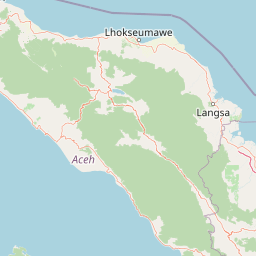
Why Gunung Leuser National Park stands out
Gunung Leuser is internationally renowned as one of the last strongholds of the Sumatran orangutan, a species classified as critically endangered by the IUCN. The park's orangutan population is studied at the Ketambe Research Station, established in 1971 by Herman Rijksen as a dedicated research area for primate behavior and ecology. The park is also celebrated for its spectacular mountainous terrain, offering what is billed as the largest wilderness area in Southeast Asia with exceptional trekking opportunities through pristine rainforest. The presence of other iconic species including the Sumatran tiger, Sumatran elephant, Sumatran rhinoceros, and siamang further cements the park's importance as a biodiversity hotspot of global significance.
Gunung Leuser National Park history and protected-area timeline
Gunung Leuser National Park was officially established in 1980 as part of Indonesia's commitment to protecting its remaining tropical forest ecosystems. The park was named after Mount Leuser, a prominent peak in the Barisan range that serves as an important geographical landmark and watershed. The establishment of the Ketambe Research Station in 1971, prior to the park's formal designation, marked the beginning of systematic scientific study of the park's orangutan populations and forest ecology. In 2004, the park was inscribed as a component of the Tropical Rainforest Heritage of Sumatra, a serial World Heritage Site that also includes Bukit Barisan Selatan and Kerinci Seblat National Parks, recognizing its outstanding universal value as a biodiversity hotspot. The park has faced significant management challenges, particularly during the late 1990s and early 2000s when illegal logging and oil palm expansion encroached into the protected area. In 1998, a controversial decree excluded the Sapo Padang enclave from legal park status, enabling road construction and further forest destruction despite legal challenges from local NGOs. The park was placed on the List of World Heritage in Danger in 2011 due to ongoing threats from illegal logging, agricultural encroachment, and poaching, a status it maintains to this day. In December 2010, the Indonesian government began relocating illegal settlers from the park, moving 26 families to South Sumatra, though thousands of people continue to inhabit the area illegally.
Gunung Leuser National Park landscape and geographic character
Gunung Leuser National Park occupies a spectacular mountainous landscape within the Barisan Mountains, the volcanic mountain range that runs the entire length of Sumatra. The park extends approximately 150 kilometers north to south and spans over 100 kilometers at its widest point, encompassing a diverse array of terrain from steep, rugged highlands to more gentle lowland valleys. About 40% of the park consists of steep terrain exceeding 1,500 meters in elevation, particularly in the northwestern portion, while roughly 12% of the park in the southern lowlands sits below 600 meters above sea level. The park contains eleven peaks rising above 2,700 meters, with Mount Leuser reaching 3,119 meters as the third-highest summit in the Leuser Range. The highest peak, Mount Tanpa Nama, rises to 3,466 meters and represents the second-highest point on Sumatra after Mount Kerinci. The landscape features dense tropical rainforest covering mountain slopes, valley floors, and ridge lines, with the forest becoming more stunted and dominated by moss at higher elevations. Rivers originating in the park's highlands provide critical water resources for downstream communities and agricultural areas, though deforestation has increasingly affected water flow patterns and seasonal availability.
Gunung Leuser National Park ecosystems, habitats, and plant life
The park protects one of the most biodiverse forest ecosystems in Southeast Asia, supporting an estimated 10,000 plant species within its various elevational zones and habitat types. The lowland rainforests represent the most species-rich areas, featuring towering trees, dense canopies, and complex vertical stratification that creates niche habitats for countless organisms. Peat swamp forests in the lower-lying areas store significant quantities of carbon and provide unique ecological conditions supporting specialized plant and animal species. As elevation increases, the forest transitions through montane and subalpine zones, with increasingly stunted vegetation dominated by conifers, rhododendrons, and abundant epiphytic mosses. The park's waterways, including rivers and smaller streams, support aquatic ecosystems and provide critical habitat for fish species and other freshwater organisms. The diverse habitats within the park support remarkable biodiversity across multiple taxonomic groups, with the park serving as a critical refuge for species that have been eliminated from much of their historical ranges due to deforestation and hunting pressure across lowland Sumatra.
Gunung Leuser National Park wildlife and species highlights
Gunung Leuser National Park is renowned for its exceptional mammalian fauna, most notably as one of only two remaining habitats for the critically endangered Sumatran orangutan. The Ketambe Research Station has facilitated decades of study of orangutan behavior, ecology, and conservation, providing foundational knowledge about this iconic species. The park supports significant populations of other large mammals including the Sumatran elephant, Sumatran tiger, and Sumatran rhinoceros, all of which are classified as critically endangered and face severe threats from habitat loss and poaching. The siamang, a gibbon species endemic to Sumatra, is commonly found in the park's forests, while the Sumatran serow and sambar deer represent additional ungulate species present in the park. Leopard cats and other smaller carnivores also inhabit the park's diverse habitats. The avifauna is exceptionally diverse, with nearly 600 species recorded, including numerous species of hornbills, woodpeckers, and Pittas. The park also supports approximately 100 species of amphibians and reptiles, including various frog species, pythons, and the Asian water monitor. Camera trap surveys conducted in 2011 documented a small population of Sumatran rhinos, estimating fewer than 27 individuals within the park and a total population of around 200 across Sumatra and Malaysia.
Gunung Leuser National Park conservation status and protection priorities
Gunung Leuser National Park holds critical importance for global conservation efforts, particularly for the preservation of orangutans and other charismatic megafauna that have suffered catastrophic population declines across their historical ranges. The park's designation as a UNESCO World Heritage Site in 2004 recognized its outstanding universal value as a biodiversity hotspot, though its placement on the World Heritage in Danger List in 2011 reflects the severe ongoing threats facing its ecosystems. The park's peat swamp forests provide exceptional carbon sequestration services, storing vastly greater quantities of carbon than typical rainforests due to the thick organic soil layers that accumulate in waterlogged conditions. These forests thus contribute significantly to climate regulation while simultaneously supporting unique biodiversity. Conservation challenges include illegal logging that continues to destroy forest at an estimated rate of 21,000 hectares per year, expansion of oil palm plantations into remaining lowland forest, and poaching of endangered species. The relocation of illegal settlers represents one management strategy, though the process is complex given the socioeconomic context of communities that often have few alternatives. Ecotourism, particularly centered on orangutan viewing at locations like Bukit Lawang and Tangkahan, offers potential sustainable economic benefits that can incentivize local conservation while providing alternative livelihoods to destructive land uses.
Gunung Leuser National Park cultural meaning and human context
The Leuser region has been home to indigenous communities for generations, with local populations traditionally relying on the forest for livelihoods through small-scale agriculture, collection of forest products, and fishing. The Acehnese and Batak peoples of the surrounding provinces maintain cultural connections to the landscape, though the establishment of the national park created new governance frameworks that affect local resource access. Following the devastating 2004 Indian Ocean tsunami and the earlier conflict in Aceh, the region experienced an influx of refugees who settled in and around the park, contributing to population pressures and illegal encroachment. The Indonesian government's Poverty Alleviation Program has sometimes conflicted with conservation objectives, as development initiatives have been implemented within the park boundaries, including the controversial oil palm project at Sapo Padang. Community-based ecotourism initiatives at locations like Tangkahan demonstrate potential models for integrating local communities into conservation through sustainable tourism that provides income while reducing pressure on forest resources.
Top sights and standout views in Gunung Leuser National Park
Gunung Leuser National Park offers exceptional opportunities for wildlife observation, particularly orangutan trekking, with guided excursions through the rainforest providing encounters with these remarkable primates in their natural habitat. The park's mountainous terrain provides outstanding trekking opportunities, from multi-day expeditions to high peaks like Mount Leuser and Mount Kemiri to more accessible day hikes through the lush forest. The Ketambe Research Station represents a landmark in primatology, offering scientific insights into orangutan behavior and ecology that have informed global conservation strategies. The park's inclusion in the Tropical Rainforest Heritage of Sumatra World Heritage Site underscores its global significance as one of Southeast Asia's most important biodiversity repositories. The diversity of ecosystems, from peat swamp forests to montane zones, creates remarkable ecological variety within a single protected area, supporting exceptional species richness across multiple taxonomic groups.
Best time to visit Gunung Leuser National Park
The dry season from approximately April to October generally offers more favorable conditions for trekking and wildlife viewing, with reduced rainfall making trails more accessible and wildlife more readily observable near water sources. However, the park can be visited year-round, with the wet season bringing its own rewards including lusher vegetation and fewer visitors. The dry months tend to be more popular for trekking expeditions to high peaks, while the wetter period may offer better opportunities for general wildlife observation as animals congregate at remaining water sources. Temperature decreases with elevation, and higher-altitude treks require appropriate preparation for cooler, often foggy conditions. Visitors should be aware that some areas of the park may have restricted access depending on conservation management priorities and ongoing relocations of illegal settlers.