
Mori Atlas logo
National parkThan Sadet–Ko Pha-ngan National Park

Discover the mapped geography, waterfalls, and royal history of this island national park.

Than Sadet–Ko Pha-ngan National Park: Protected Landscape and Royal Heritage in Surat Thani

Than Sadet–Ko Pha-ngan National Park represents a unique protected area in Surat Thani Province, Thailand, blending natural landscapes with significant royal history. This national park encompasses much of Ko Pha-ngan island, offering a rich tapestry of mountainous terrain, cascading waterfalls like the park's namesake Than Sadet river system, and vital coastal environments. Its landscape context is defined by Khao Ra, the island's highest peak, and the river's journey to the Gulf of Thailand, providing a diverse natural setting for exploration and understanding regional geography.

National ParkThailandIsland ParkRoyal HeritageWaterfallsHiking

Than Sadet–Ko Pha-ngan National Park

National park

Park overview

Structured park overview, official facts, and landscape profile for Than Sadet, Ko Pha-ngan National Park

Than Sadet, Ko Pha-ngan National Park park facts, protected area profile, and essential visitor context
Review the core facts for Than Sadet, Ko Pha-ngan National Park, including designation, size, terrain, visitor scale, habitats, and operating context in one park-focused overview.

About Than Sadet, Ko Pha-ngan National Park

Than Sadet–Ko Pha-ngan National Park represents a significant addition to Thailand's protected area network, established in 2018 to preserve the natural and cultural heritage of Ko Pha-ngan island. The park covers roughly 43 square kilometers, encompassing the mountainous interior of the island, its coastal areas, and several smaller islands in the surrounding waters. Unlike many older Thai national parks that were designated primarily for their ecological or geological significance, Than Sadet was created with an explicit recognition of the site's dual natural and historical value. The park protects the island's remaining forest areas, which serve as critical watersheds for the island's waterfall systems and provide habitat for native species. The coastal sections include Than Sadet Bay, where the park's central river empties into the Gulf of Thailand, creating a scenic landscape that combines mountainous backdrop with beach and sea. The park's establishment reflects growing awareness in Thailand of the need to balance island development pressures with conservation of natural landscapes and historical sites.

Quick facts and research context for Than Sadet, Ko Pha-ngan National Park

Than Sadet–Ko Pha-ngan National Park occupies the majority of Ko Pha-ngan island in Surat Thani Province, southern Thailand. The park was officially designated on November 22, 2018, making it one of Thailand's newer national parks. Khao Ra, the park's highest peak and the highest point on the entire island, rises to 635 meters above sea level. The park encompasses not only the main island but also several small islands to the north and east, including the Wao and Hin Bai archipelago. The park receives approximately 158,000 visitors annually, drawn both to its natural landscapes and its historical significance. The park is managed by Thailand's Department of National Parks, Wildlife and Plant Conservation.

Park context

Deeper park guide and search-rich context for Than Sadet, Ko Pha-ngan National Park

Than Sadet, Ko Pha-ngan National Park history, landscape, wildlife, and travel context
Explore Than Sadet, Ko Pha-ngan National Park through its history, landscape character, ecosystems, wildlife, conservation priorities, cultural context, and seasonal travel timing in a structured park guide built for atlas discovery and search intent.

Why Than Sadet, Ko Pha-ngan National Park stands out

Than Sadet, Ko Pha-ngan is best known for its remarkable royal heritage combined with accessible natural wonders. The park is centered around the Than Sadet waterfall and river system, where King Rama V carved his initials into a commemorative rock near the estuary, a feature still visible today. The river cascades through a series of waterfalls and rock pools along its 2.5-kilometer length, offering excellent trekking opportunities for experienced hikers. The park's namesake itself reflects this royal connection, as Than Sadet translates to Royal River in English. The mountain trail to Khao Ra provides hikers with panoramic views from the island's summit, while the smaller surrounding islands offer coastal and marine environments distinct from the main island's forest habitats.

Than Sadet, Ko Pha-ngan National Park history and protected-area timeline

The historical significance of Than Sadet–Ko Pha-ngan National Park dates back to the late 19th century when King Chulalongkorn, also known as Rama V, first visited Ko Pha-ngan island in 1888. The king was drawn to the island's natural beauty, particularly the impressive waterfall that would later give the park its name. Rama V returned to the island repeatedly over the following two decades, visiting the site as many as fourteen additional times, demonstrating his deep appreciation for this corner of his kingdom. During these visits, the king inscribed his initials on a rock near the mouth of the river where the waterfall flows into the sea at Than Sadet Bay, creating an enduring link between the monarchy and this landscape. This royal connection remained significant through subsequent reigns, with King Bhumibol Adulyadej, Rama IX, also visiting the site, further cementing the location's place in Thai royal history. The formal establishment of the national park in November 2018 was designed in part to protect this royal heritage site while preserving the natural environment that made it notable to Thai monarchs.

Than Sadet, Ko Pha-ngan National Park landscape and geographic character

The landscape of Than Sadet–Ko Pha-ngan National Park is defined by its mountainous interior rising from the island's coastal areas. Khao Ra, peaking at 635 meters above sea level, stands as both the park's highest point and the highest elevation on Ko Pha-ngan, providing sweeping views from its summit on clear days. The park's central feature is the Than Sadet river system, which flows from the island's interior mountains to the sea at Than Sadet Bay. Along its 2.5-kilometer course, the river descends through a series of waterfalls and natural rock pools, creating a distinctive landscape that attracts both hikers and casual visitors. The coastal sections of the park include sandy beaches and the bay where the river meets the Gulf of Thailand. Beyond the main island, the park encompasses several smaller islands to the north and east, including the Wao and Hin Bai archipelago, adding coastal and marine landscapes to the protected area's diversity.

Than Sadet, Ko Pha-ngan National Park ecosystems, habitats, and plant life

The nature of Than Sadet–Ko Pha-ngan centers on the tropical forest ecosystems that still cover much of Ko Pha-ngan's interior. These forest areas serve as important watersheds, feeding the island's waterfall systems and maintaining ecological balance on an island that faces significant development pressure. The forest habitats support native plant species characteristic of southern Thailand's coastal and lowland environments. The park's designation in 2018 reflected growing recognition of the importance of preserving these forest areas, which provide habitat for native wildlife and maintain the ecological integrity of the island. The marine and coastal environments around the smaller islands included in the park add further ecological diversity, with coral communities and coastal wetland habitats contributing to the overall protected area's ecological value. The combination of forest, freshwater, and marine ecosystems within a single protected area creates a relatively comprehensive approach to island conservation.

Than Sadet, Ko Pha-ngan National Park wildlife and species highlights

While the Wikipedia source provides limited specific information about wildlife species, Than Sadet–Ko Pha-ngan National Park's forest and coastal environments support native biodiversity typical of southern Thailand's island ecosystems. The forest habitats provide shelter for various bird species, small mammals, and insects that inhabit the island's remaining natural areas. The coastal and marine environments around the smaller islands support marine life including fish species, crustaceans, and other organisms characteristic of the Gulf of Thailand. The park's relatively recent establishment and the island's history of human habitation mean that wildlife populations are likely modest compared to larger, more remote protected areas. However, the preserved forest areas still provide important habitat for species that have been displaced from developed areas of the island.

Than Sadet, Ko Pha-ngan National Park conservation status and protection priorities

The establishment of Than Sadet–Ko Pha-ngan National Park in 2018 represents a conservation response to the rapid development that Ko Pha-ngan island has experienced, particularly its transformation into a destination famous for full-moon parties and beach tourism. By designating the majority of the island's remaining forest areas as a protected national park, Thai authorities aim to preserve ecological integrity, protect watershed areas, and maintain the natural landscape that underlies the island's long-term environmental health. The park's designation also serves to formalize protection of the historical and cultural site associated with royal visits, creating a conservation framework that recognizes both natural and cultural values. The park's relatively small size reflects the practical constraints of establishing protected areas on heavily developed islands, but even this limited protection provides important ecological corridors and watershed preservation for the island's remaining natural areas.

Than Sadet, Ko Pha-ngan National Park cultural meaning and human context

The cultural significance of Than Sadet–Ko Pha-ngan stems from its deep connection to the Thai monarchy. The park takes its name from the royal visits of King Rama V, who visited the waterfall site so frequently that the river became known as the Royal River, or Than Sadet. The king's initials, carved into rock near the river's mouth, remain visible today and serve as a tangible link between the landscape and Thai royal history. This royal heritage gives the site a cultural importance that extends beyond typical natural protected areas in Thailand. Subsequent monarchs, including King Bhumibol Adulyadej (Rama IX), have continued the tradition of visiting this significant site, reinforcing its place in Thai cultural consciousness. The park thus represents not only a conservation designation but also an acknowledgment of the site's cultural heritage and its role in Thai royal tradition.

Top sights and standout views in Than Sadet, Ko Pha-ngan National Park

Than Sadet–Ko Pha-ngan offers visitors the opportunity to experience both natural landscapes and living royal heritage within a single protected area. The waterfall and rock pool system along the Than Sadet river provides the park's central attraction, accessible via trekking trails that follow the river's course through the forest. Hiking to the summit of Khao Ra rewards visitors with panoramic views from the island's highest point. The carved rock bearing King Rama V's initials at Than Sadet Bay connects visitors directly to the site's royal history. The small islands included in the park offer possibilities for coastal exploration and marine environments distinct from the main island. The park's status as one of Thailand's newest national parks means that infrastructure and visitor facilities continue to develop, offering an evolving experience for those seeking to explore this royal island sanctuary.

Best time to visit Than Sadet, Ko Pha-ngan National Park

The best time to visit Than Sadet–Ko Pha-ngan National Park corresponds to Thailand's dry season, typically from November through April, when rainfall is minimal and conditions are most favorable for hiking and outdoor activities. The cooler months from November to February offer the most comfortable temperatures for trekking to waterfalls and ascending Khao Ra. The park can be visited year-round, but the wet season from May through October brings increased rainfall that can affect trail conditions and make some routes more challenging. Even during the wet season, the park's waterfalls often benefit from increased water flow, though visitors should be prepared for occasional heavy rains and should check current conditions before planning excursions. The island's popularity for tourism means that accommodation and access may be more readily available outside of major holiday periods.
Park location guide

Geography guide, regional context, and park location map for Than Sadet, Ko Pha-ngan National Park

Than Sadet, Ko Pha-ngan National Park park geography, regions, and map view in Thailand
Understand where Than Sadet, Ko Pha-ngan National Park sits in Thailand through a broader geographic reading of the surrounding landscape, nearby location context, and its mapped position within the national park landscape.

How Than Sadet, Ko Pha-ngan National Park fits into Thailand

Thailand is a Southeast Asian nation formerly called Siam, located in mainland Southeast Asia. It operates as a unitary parliamentary constitutional monarchy under King Vajiralongkorn. The country borders Myanmar, Laos, Cambodia, and Malaysia, with maritime boundaries involving Vietnam, Indonesia, and India. Thailand has a population of nearly 66 million and covers approximately 513,120 km². Historically, the Sukhothai Kingdom marks the beginning of Thai history, followed by the powerful Ayutthaya Kingdom.

Wider geography shaping Than Sadet, Ko Pha-ngan National Park in Thailand

Thailand occupies mainland Southeast Asia with borders to Myanmar (west/northwest), Laos (east/northeast), Cambodia (southeast), and Malaysia (south). The country has coastline along the Gulf of Thailand to the southeast and the Andaman Sea to the southwest. The territory covers approximately 513,120 km².

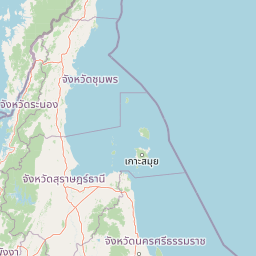
Map view of Than Sadet, Ko Pha-ngan National Park

Use this park location map to pinpoint Than Sadet, Ko Pha-ngan National Park in Thailand, understand its exact geographic position, and read its mapped placement within the surrounding landscape more clearly.

Pigeon | © OpenStreetMap contributors

Location context for Than Sadet, Ko Pha-ngan National Park

Surat Thani Province
Park atlas

Compare surrounding protected landscapes and island geography in Southern Thailand's Gulf region.

Explore Nearby National Parks and Protected Areas Beyond Than Sadet–Ko Pha-ngan
Continue your exploration from Than Sadet–Ko Pha-ngan National Park by browsing other protected areas and national parks within Southern Thailand. Discover diverse island and coastal landscapes, comparing their unique conservation profiles and geographic spread across the Gulf region.
National parkNakhon Si Thammarat Province

Hat Khanom, Mu Ko Thale Tai National Park: National Park, Nakhon Si Thammarat Province, Thailand

Discover mapped boundaries and regional landscape context.

Hat Khanom, Mu Ko Thale Tai National Park is a designated national park offering a protected landscape within the geographic scope of Nakhon Si Thammarat Province. This entity provides a structured point for understanding its specific protected-area identity, its mapped terrain, and its contribution to the broader regional geography. Explore its geographic significance and atlas-relevant details to grasp its place in Thailand's natural landscape.

Area
312 km²
IUCN
II
National parkKrabi Province

Khao Phanom Bencha National Park: Protected Mountainous Rainforest and Waterfall Landscapes

Explore Krabi Province's unique protected area and its dramatic geographic features.

Khao Phanom Bencha National Park represents a core protected landscape within Krabi Province, Thailand. Dominated by the imposing Khao Phanom Bencha mountain range, its terrain includes steep, forested slopes and intricate valley systems that give rise to impressive waterfalls. This national park is an essential component of the region's protected natural areas, offering a detailed look at its unique ecosystem and geographic character through mapped landscape context and atlas exploration.

Area
50 km²
Established
1981
IUCN
II
National parkPrachuap Khiri Khan Province

Namtok Huai Yang National Park: Protected Mountain Terrain and Waterfall Atlas

Discover Prachuap Khiri Khan Province's significant natural landscape.

Namtok Huai Yang National Park is a key protected area in Thailand's Prachuap Khiri Khan Province, renowned for its distinctive montane geography shaped by the Tenasserim Hills. This national park offers a detailed view of forest ecosystems, watershed importance, and cascading waterfalls, all presented within a structured atlas framework. Users can explore the park's mapped boundaries and terrain characteristics, gaining a concrete understanding of its geographic significance and natural protected landscape.

Area
161 km²
Established
1991
IUCN
II
National parkPhang Nga Province

Khao Lampi, Hat Thai Mueang National Park: Mountain Rainforest and Andaman Coast Atlas

Explore the mapped geography and protected boundaries.

Delve into Khao Lampi, Hat Thai Mueang National Park, a key protected area within Phang Nga Province, Thailand. This unique national park showcases a striking dichotomy: the lush, waterfall-adorned slopes of the Khao Lampi mountains contrast with the pristine Andaman Sea coastline of Hat Thai Mueang beach, a critical site for sea turtle nesting. The park's mapped landscape encompasses dense tropical rainforest, significant mangrove ecosystems, and important natural terrain, offering a comprehensive view of diverse protected environments for atlas exploration.

Area
72 km²
Established
1986
IUCN
II
National parkPhuket Province

Sirinat National Park: Phuket Province Protected Coastal Landscape and Marine Atlas

Mapped boundaries, beach forests, and sea turtle nesting sites.

Sirinat National Park offers a unique opportunity to explore a protected coastal geography on Phuket Island. This national park preserves critical beach forest ecosystems, extensive shorelines like Hat Mai Khao, vital sea turtle nesting grounds, and surrounding marine environments including coral reefs and mangrove habitats. Its designation as a protected area provides essential context for understanding the natural landscape and its ecological significance within Thailand's regional geography.

Area
90 km²
Established
1981
IUCN
II
National parkRayong Province

Khao Laem Ya, Mu Ko Samet National Park: Marine National Park and Protected Island Geography

Coastal terrain and archipelago mapped within Rayong Province.

Delve into Khao Laem Ya, Mu Ko Samet National Park, a significant marine protected area located in Rayong Province, Thailand. This atlas entry highlights the park's archipelago of islands, including Ko Samet, its mainland coastal features like Khao Laem Ya, and the surrounding Gulf of Thailand waters. Understand the park's role in coastal conservation, its mapped marine environments, and its unique blend of terrestrial and aquatic protected landscapes for geographic discovery.

Area
131 km²
Established
1981
IUCN
II
Visitors
1.6M annual
National parkSatun Province

Thale Ban National Park: Mapped Protected Landscape and Unique Wetland Ecosystem in Satun Province

Explore karst and granite mountains, natural lake geography, and diverse biodiversity.

Thale Ban National Park offers a fascinating study in protected landscape geography, centered around a rare natural lake formed by geological damming. This national park in Satun Province, Thailand, showcases a striking contrast between ancient limestone karst formations and younger granite mountains, contributing to its unique biodiversity and ecosystems. Its position near the Malaysian border highlights its role in regional conservation, making it a key site for understanding mapped terrain and protected natural areas.

Area
196 km²
Established
1980
IUCN
II
National parkCambodia

Botum Sakor National Park: Cambodia's Largest National Park and Coastal Wilderness

Explore its mapped geography and protected landscape features.

Botum Sakor National Park represents Cambodia's largest national park, offering a unique protected landscape where the Cardamom Mountains meet the Gulf of Thailand. The park's diverse geography includes extensive evergreen forests, grasslands, and significant coastal wetland ecosystems, such as mangrove and freshwater swamp forests. Examining its mapped boundaries reveals a critical area for biodiversity and regional ecological context within Southeast Asia's protected lands.

Area
1,825.85 km²
Established
1993
IUCN
II

Common questions about visiting, size, designation, and location context for Than Sadet, Ko Pha-ngan National Park

Than Sadet, Ko Pha-ngan National Park FAQs for park facts, access, geography, and protected area context
Find quick answers about Than Sadet, Ko Pha-ngan National Park, including protected-area facts, park geography, trail and visitor context, and how the park fits into its surrounding country and regional landscape.
MoriAtlas Explorer

Continue Your Protected Areas Search Across the Global Atlas

Deepen your exploration by continuing the structured search for national parks and protected areas worldwide. Utilize the comprehensive filtering capabilities to compare different conservation landscapes and refine your understanding of global park geography. Discover more about the distribution and characteristics of protected natural areas.

Global natural geography