
Why Tierra del Fuego National Park stands out
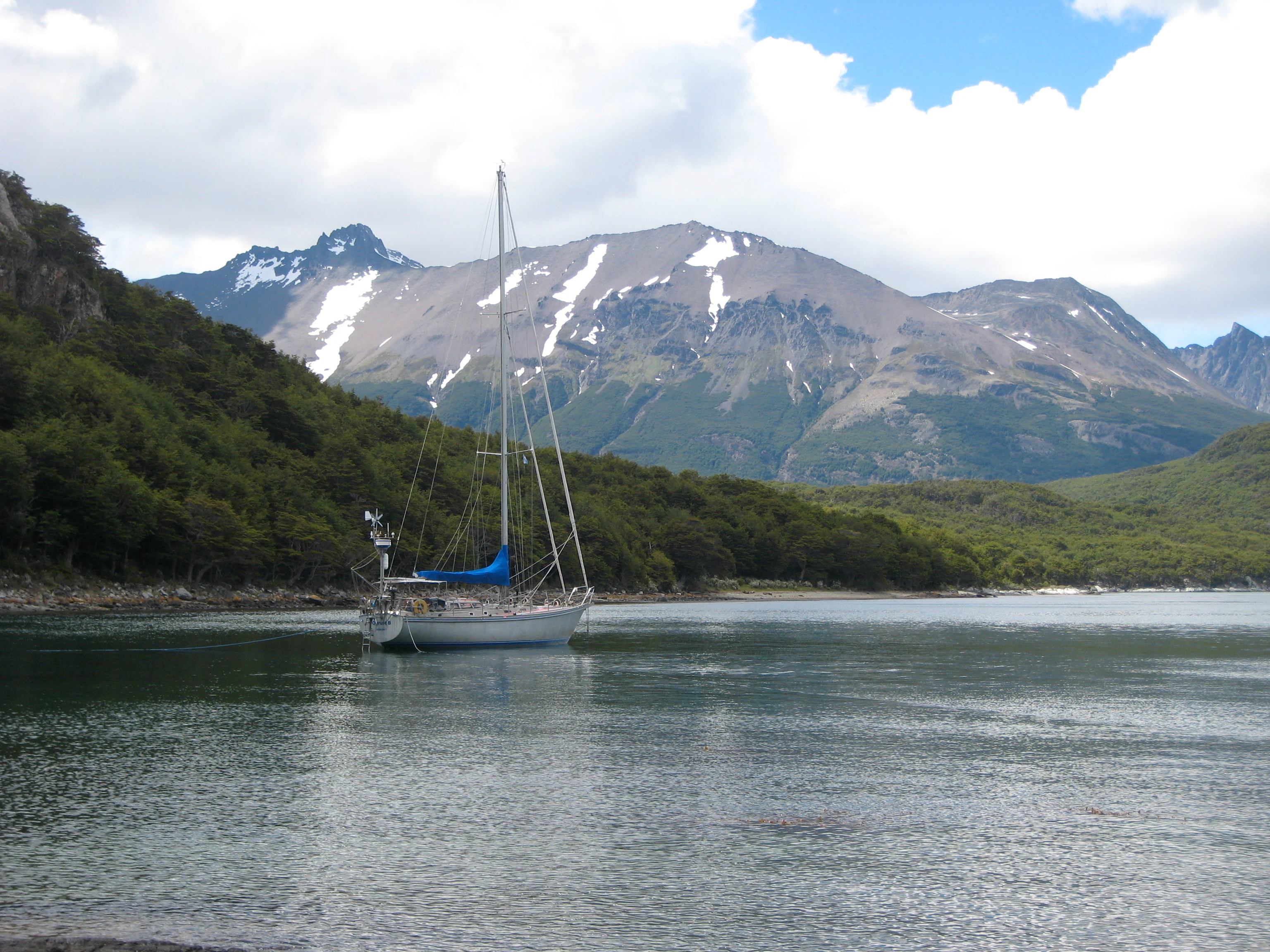
Tierra del Fuego National Park is best known for its dramatic subantarctic scenery combining coastal fjords, glacial valleys, and ancient beech forests at the southern tip of South America. The park protects the southernmost stretches of the Patagonian Forest, with towering stands of lenga and coihue beech creating a distinctive landscape. The Beagle Channel, named after HMS Beagle which carried Charles Darwin through these waters in 1833-34, forms the park's southern boundary and is fringed with rugged coastlines and hidden bays. The Senda Costera trail connecting Ensenada Bay to Lapataia Bay along Lago Roca is a celebrated hiking route. The park also marks the southern terminus of the Pan-American Highway and is accessible via the heritage End of the World Train, adding historical and cultural depth to its natural significance.
Tierra del Fuego National Park history and protected-area timeline
The human history of Tierra del Fuego stretches back at least 10,000 years to when the Yaghan people, also known as Yámana, inhabited the region. These indigenous peoples survived in the harsh environment by utilizing the rich resources of the sea, hunting sea lions and collecting shellfish from the beaches and coastal waters. They constructed canoes from lenga beech wood and built shelters from tree branches, clothing themselves in sea lion pelts. The Spanish explorers who first reached this southern tip of South America named the area "Tierra del Fuego" after observing the campfires of native inhabitants along the coast. In 1870, Anglican missionary Wasti H. Stirling began converting Yaghan tribes, and the 1880s brought gold prospectors following rumors of rich fields that proved unfounded. European missionaries introduced diseases such as measles that devastated the Yaghan population, reducing them from approximately 3,000 people in 1880 to fewer than 100 by the 1990s, with the last native speakers passing away in the 2000s. The 1881 Boundary Treaty between Argentina and Chile divided the island, and an Argentine naval base established in 1884 further developed the region. In 1902, President Julio Argentino Roca established a penal colony on Staten Island, with prisoners constructing the city and exploiting the forests that now fall within the park. The Southern Fuegian Railway, known as the End of the World Train, was built between 1909 and 1910 to transport prisoners and logged timber. After the prison closed in 1947 and the railway in 1952, the railway was revived in 1994 as a heritage attraction. The park was definitively created on September 30, 1960 under Law 15.554, with a management plan approved in 2007 and updated in 2021.
Tierra del Fuego National Park landscape and geographic character
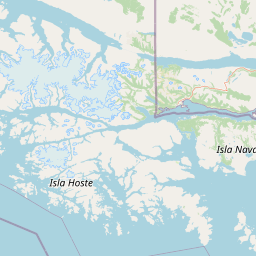
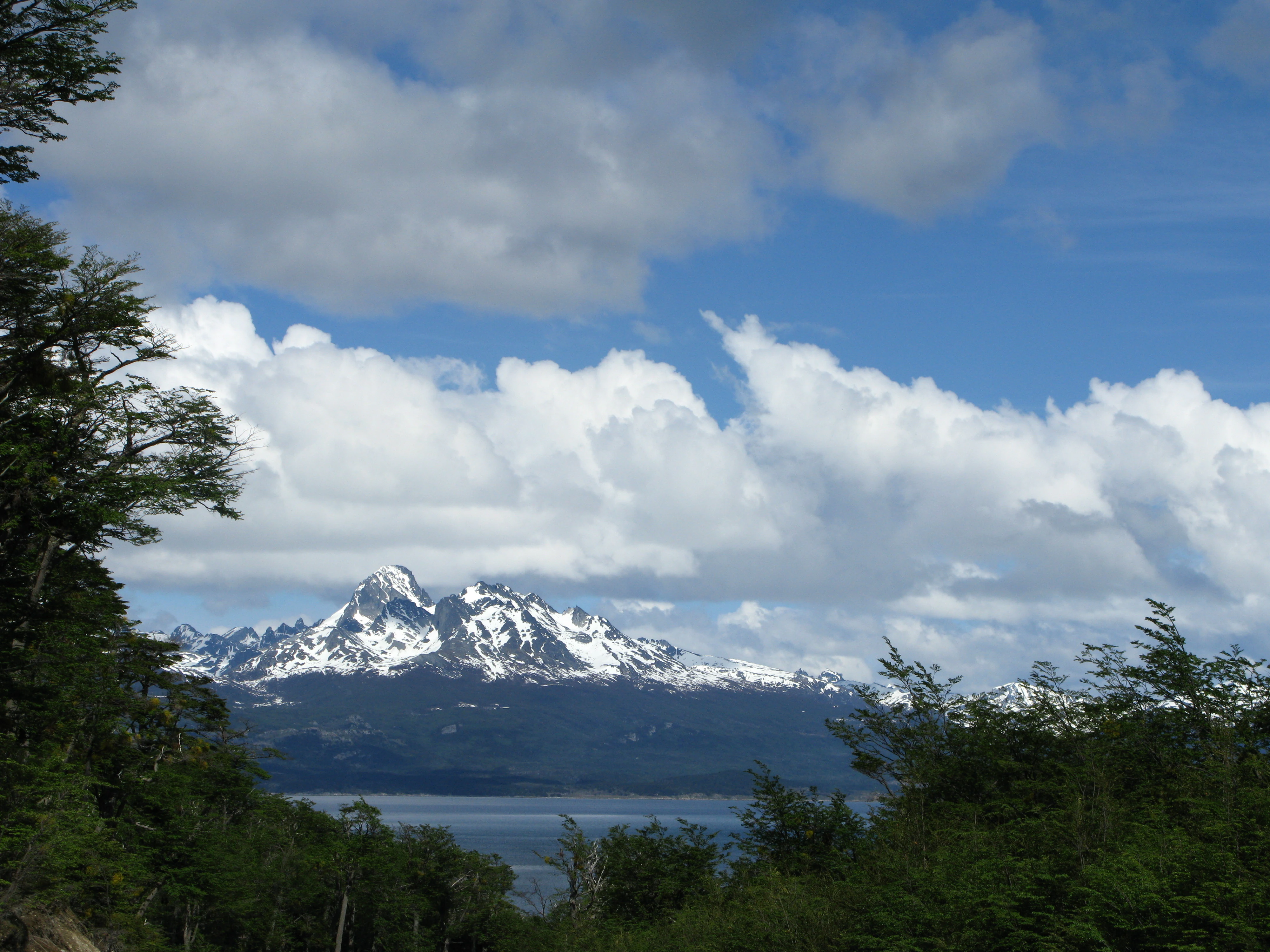
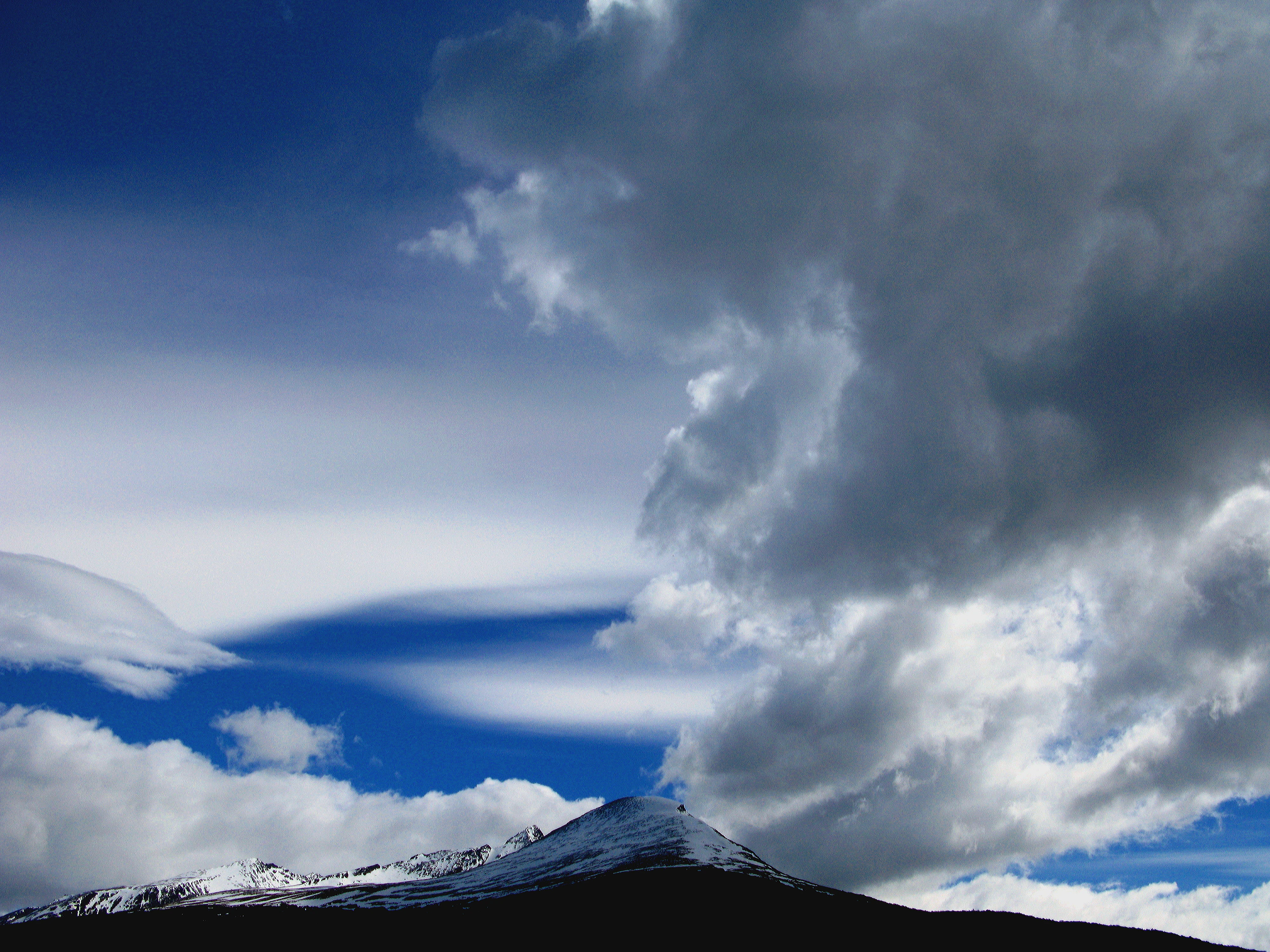
The landscape of Tierra del Fuego National Park results from glacial erosion that has created a dramatic terrain of bays, beaches, and steep valleys against a backdrop of rugged mountains. The park is bounded to the west by the Chilean border, to the north by the vast Lago Fagnano, and to the south by the Beagle Channel, which forms a rugged shoreline with cliffs and hidden coves. The terrain includes mountains, lakes, rivers, and valleys, with elevation ranging from sea level along the Beagle Channel to over 1,400 meters at peaks like Cerro Vinciguerra. The Sierra de Beauvoir forms a notable mountain range in the northern sector. Lago Fagnano, also known as Cami Lake, is the largest lake in Tierra del Fuego and one of the southernmost lakes of its size in the world, extending east-west across the island with its western portion in Chile. The landscape reflects the park's position at the transition between the Patagonian Andes and the subantarctic environment, creating a mosaic of forest-covered slopes, open meadows, and glacial carved waterways.
Tierra del Fuego National Park ecosystems, habitats, and plant life
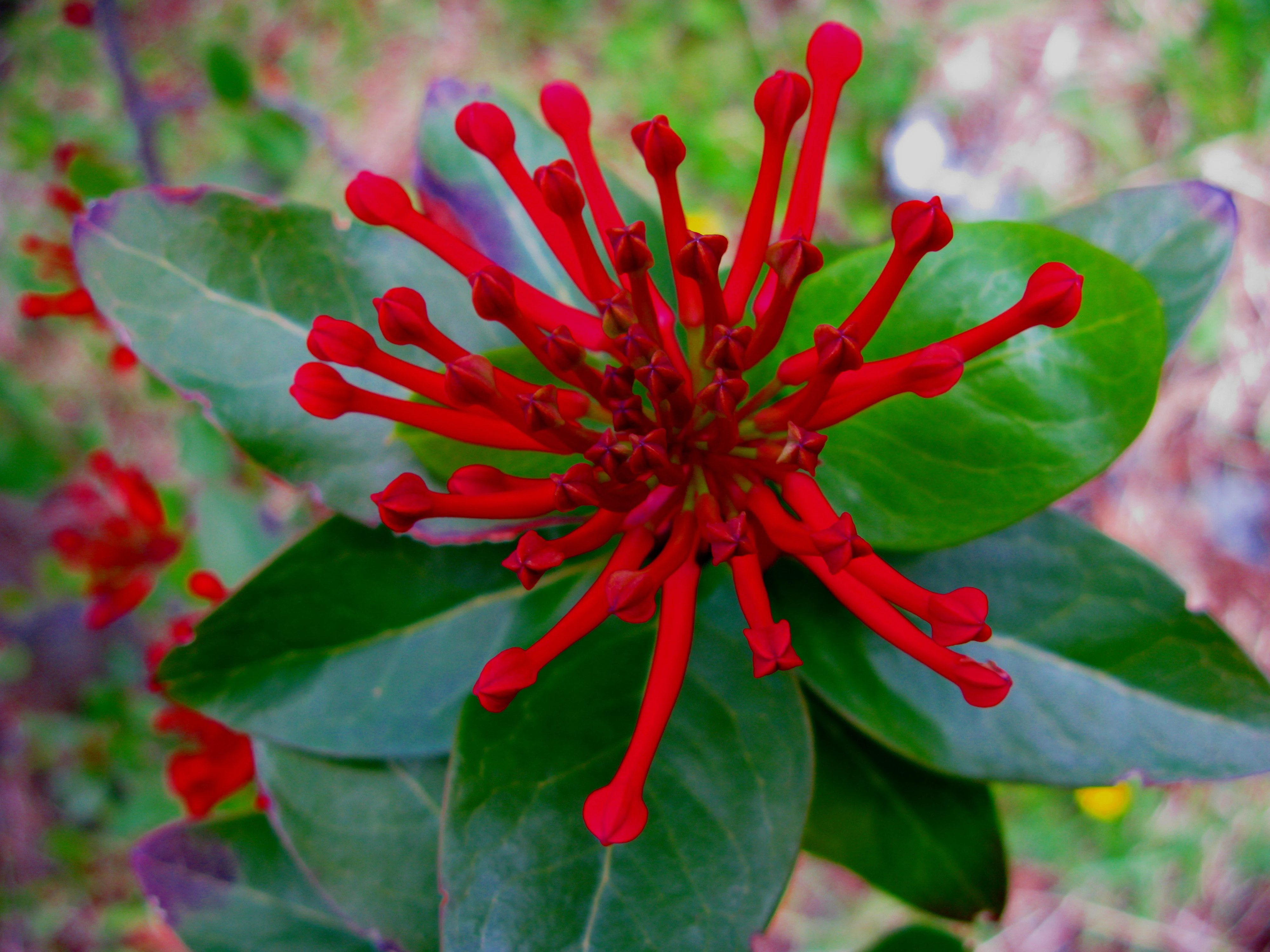
The park protects a significant portion of the subantarctic forest, one of the southernmost forest ecosystems in the world. The vegetation is dominated by southern beech species including coihue, lenga, and Antarctic beech, which form extensive forests that descend from the mountain slopes to the coast. Lenga beech dominates the deciduous forests, while coihue and Antarctic beech occur in the wetter areas, particularly along the Beagle Channel. The understory contains a diverse assembly of shrubs and plants including calafate, chaura, michay, and notro, with delicate ferns and orchids in the shadier spots. Peat bogs are a characteristic feature of the park, formed by sphagnum moss and aquatic grasses in damp valleys where low temperatures prevent decomposition. Above approximately 600 meters elevation, the forest gives way to altoandina vegetation characterized by small bushes, cushion plants, and grasses adapted to harsh conditions. The coastal waters support extensive kelp forests, and the marine environment belongs to the ecoregion of Channels and Fjords of Southern Chile, hosting rich biodiversity.
Tierra del Fuego National Park wildlife and species highlights
Tierra del Fuego National Park supports a diverse faunal community representing both native Patagonian species and introduced mammals. The park records 20 species of terrestrial mammals, including the guanaco as the largest native mammal, the Andean fox, and introduced species such as the North American beaver, European rabbit, and muskrat. The beaver, introduced in the 1940s, has caused significant environmental damage to the forest ecosystem and is the subject of ongoing eradication efforts. The bird fauna is particularly rich with approximately 90 species, including the kelp goose, torrent duck, austral parakeet, Andean condor, blackish oystercatcher, Magellanic oystercatcher, and the Magellanic woodpecker. The austral parakeet represents the southernmost distributed parrot species in the world. Marine mammals include South American sea lions along the coast. Notable avifauna also includes petrels, albatrosses, several penguin species, the South Andean deer, and the southern river otter. The coastal waters contain diverse fish and invertebrates including scallops, crabs, and various fish species.
Tierra del Fuego National Park conservation status and protection priorities
Tierra del Fuego National Park is designated as an IUCN Category II protected area, reflecting its national park status and conservation significance. The park protects critical habitat at the southernmost limit of the subantarctic forest ecosystem, representing an important transition zone between South American and subantarctic biogeographic provinces. The park's coastal marine environment is part of the Channels and Fjords of Southern Chile ecoregion, supporting significant biodiversity. Management zoning separates the approximately 2,000 hectares open to public use in the southern sector from strict nature reserves covering the remainder of the park. Conservation challenges include managing invasive species, particularly the North American beaver which has caused substantial forest damage, and balancing visitor access with habitat protection. The park participates in broader regional conservation frameworks and is part of Argentina's national protected areas system administered by Administración de Parques Nacionales.
Tierra del Fuego National Park cultural meaning and human context
The cultural context of Tierra del Fuego National Park is deeply connected to the indigenous peoples who inhabited these lands for thousands of years. The Yaghan or Yámana people were the primary inhabitants of the coastal areas around the Beagle Channel, where they lived in continual conflict with the northern Selk'nam. Their shell middens, visible along the beaches, represent the remains of a maritime-based economy centered on hunting sea lions and collecting shellfish. The name "Tierra del Fuego" itself derives from the Spanish observation of native campfires along this coast. The Beagle Channel is named after HMS Beagle, the British ship that carried Charles Darwin during his voyage of discovery in 1833-34. The park's more recent history includes the penal colony era when prisoners constructed roads and exploited forest resources, creating the infrastructure that now serves the heritage railway. The southern terminus of the Pan-American Highway within the park symbolizes the connection between the Americas, adding another layer to the region's cultural significance.
Top sights and standout views in Tierra del Fuego National Park
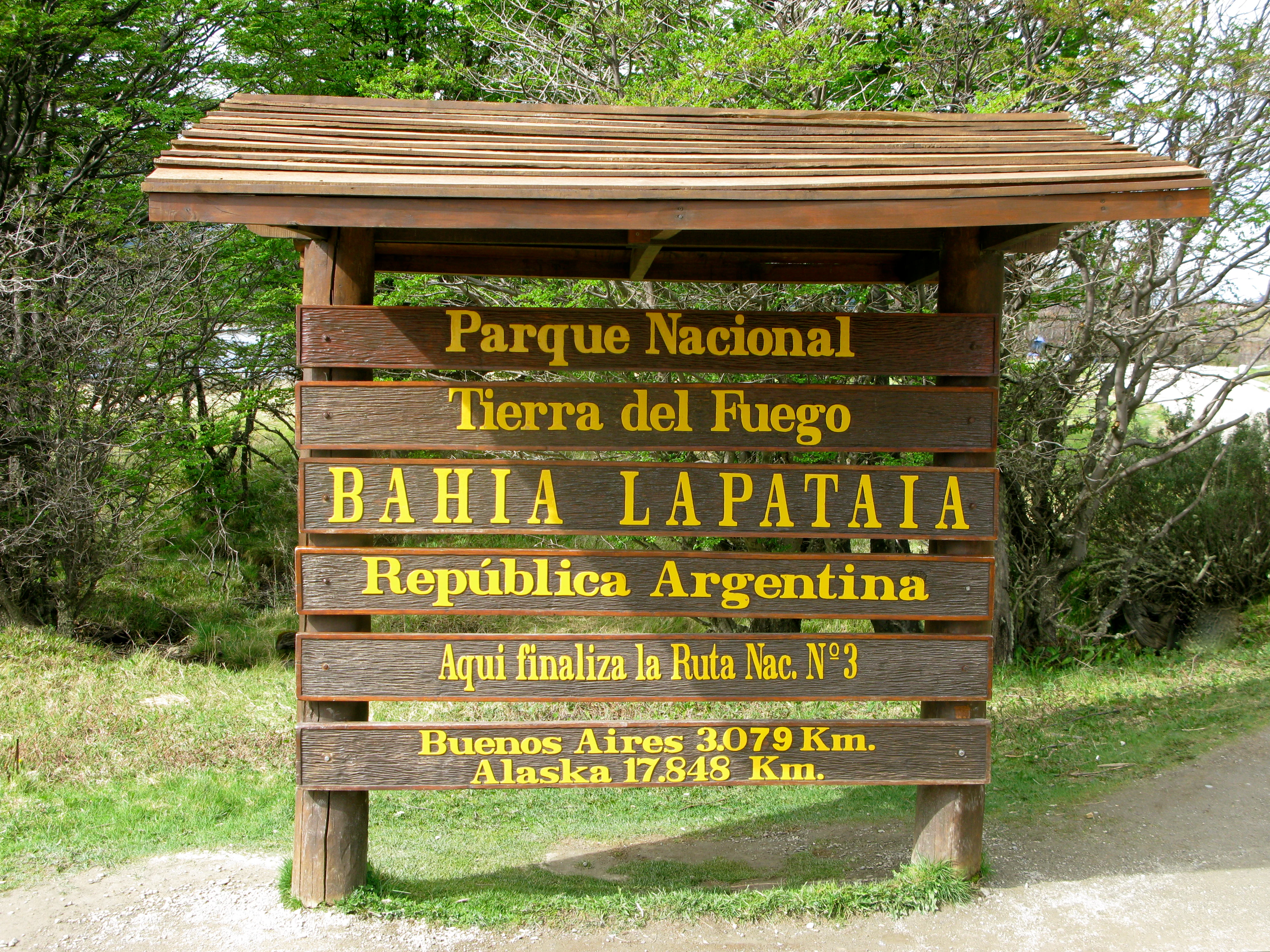
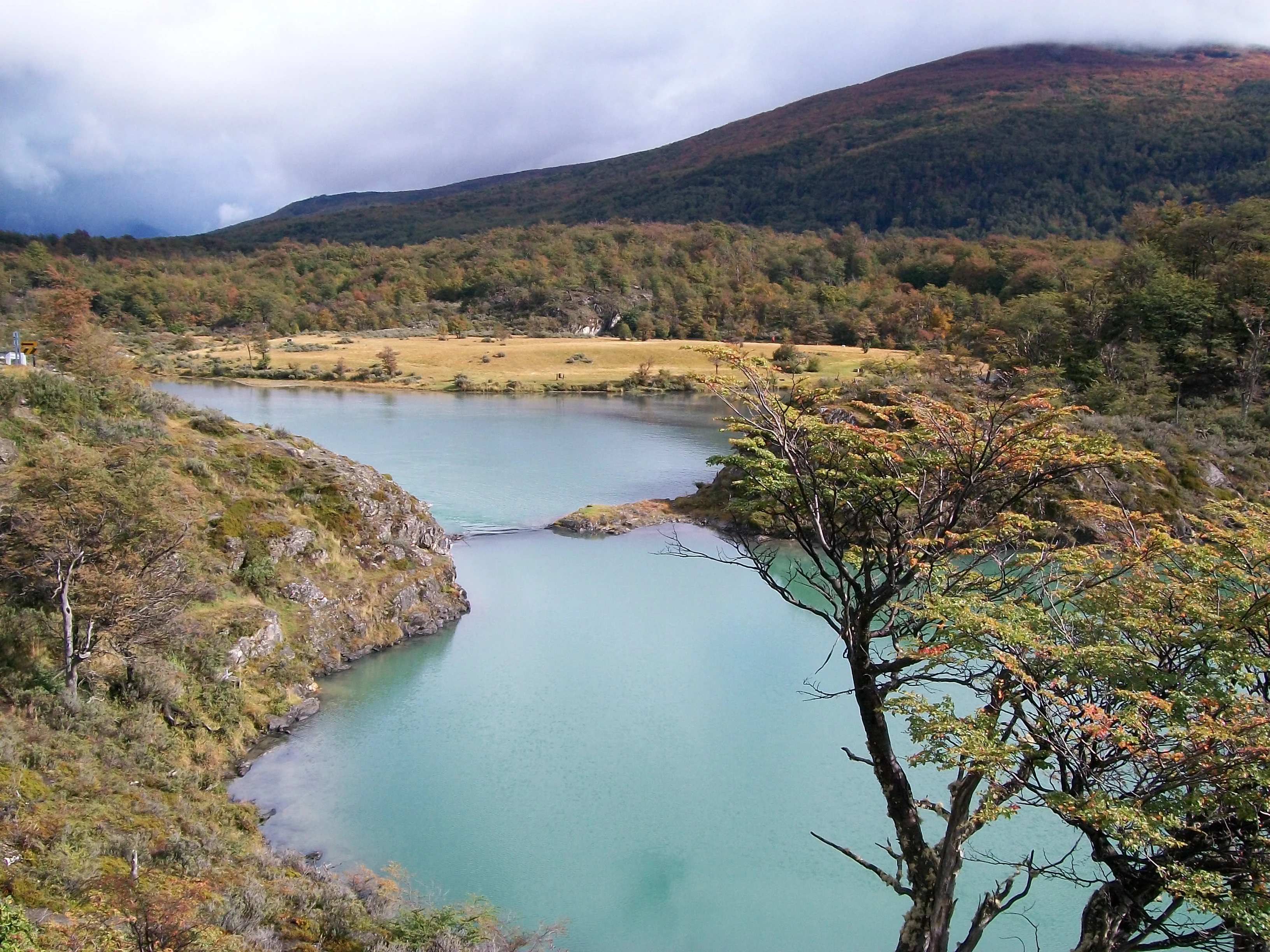
Tierra del Fuego National Park offers visitors multiple outstanding features that define its character as a destination. The Senda Costera coastal path provides a celebrated hiking experience along the shores of Lago Roca from Ensenada Bay to Lapataia Bay. The End of the World Train offers a unique heritage railway journey from Ushuaia into the park, following the route of the former prison railway. The park contains the southern terminus of the Pan-American Highway, marked within the park boundaries at Lapataia Bay. The Beagle Channel provides scenic coastal exploration with opportunities to observe seabirds, marine mammals, and the dramatic shoreline. The forests of lenga and coihue beech create an atmospheric landscape, particularly striking during autumn when the deciduous lenga turns brilliant colors. Lago Fagnano offers panoramic views of the largest lake in Tierra del Fuego, straddling the Argentine-Chile border.
Best time to visit Tierra del Fuego National Park
The best time to visit Tierra del Fuego National Park depends on what visitors hope to experience, with each season offering a different character. The summer months of December through March bring the warmest conditions, with average temperatures around 10 degrees Celsius and extended daylight hours ideal for hiking and outdoor activities. This is the peak visitation period when the Senda Costera and other trails are fully accessible. Winter from June to September transforms the landscape with snow-covered peaks and frozen lakes, though access is more limited and temperatures can drop below freezing. The shoulder seasons of spring and autumn offer changing scenery as the lenga beech forests shift colors, with autumn particularly spectacular as the deciduous canopies turn golden and red. The park experiences a temperate climate with frequent rain, fog, and strong westerly winds throughout the year, so visitors should be prepared for variable conditions regardless of season. The annual rainfall averages around 700 millimeters, distributed fairly evenly across the months with no true dry season.