Why Bonefish Pond National Park stands out
Bonefish Pond National Park is best known as a vital marine nursery habitat, particularly for bonefish, which are both a flagship recreational fishing species and an important component of the Bahamas' marine ecosystem. The wetland also serves as a crucial nursery for crawfish (spiny lobster) and conch, three species that form the backbone of the Bahamas' coastal fishing industry. The park's successful wetland restoration following environmental degradation demonstrates how mangrove habitat restoration can recover ecological function and biodiversity in Caribbean coastal environments.
Bonefish Pond National Park history and protected-area timeline
Bonefish Pond National Park was established in 2002 as part of the Bahamas National Trust's ongoing efforts to create a representative protected areas system throughout the country's archipelago. The establishment came during a period of increased conservation awareness in the Bahamas, as the government and nonprofit organizations worked to balance economic development, particularly tourism, with environmental protection. The creation of the park represented recognition that coastal wetlands, though often overlooked in favor of more visible terrestrial or marine environments, provide essential ecological functions that would be difficult or impossible to replace if lost.
A significant chapter in the park's recent history involves environmental restoration efforts that took place prior to 2013. Portions of the wetland had been affected by inappropriate waste disposal, resulting in the loss of fish populations from those areas. Recognizing the ecological degradation, conservation managers undertook restoration work focused on replanting red mangroves, which serve as the structural and functional foundation of the wetland ecosystem. The restoration proved successful, with fish populations returning to previously barren areas and the nursery function of the habitat being reestablished. This restoration demonstrates both the vulnerability of Caribbean wetlands to human disturbance and their capacity for recovery when appropriate management interventions are applied.
Bonefish Pond National Park landscape and geographic character
The physical landscape of Bonefish Pond National Park consists of a coastal wetland system characterized by red mangrove forests, tidal channels, and shallow lagoon environments. The terrain is flat and low-lying, typical of Caribbean coastal wetlands, with elevation rarely exceeding a few meters above sea level. The mangrove ecosystem dominates the visual landscape, with the characteristic tangled roots of red mangroves creating complex underwater structures that provide shelter for juvenile fish and other marine organisms.
The park's hydrology is driven by tidal exchange with the Atlantic Ocean, creating a dynamic environment where water levels fluctuate regularly and salinity varies from fresh to brackish to marine depending on location and season. This tidal influence is essential to the ecological function of the wetland, as it delivers nutrients, flushes pollutants, and allows for the movement of marine species between the protected nursery areas and open waters. The interconnected nature of the creek systems and mangrove channels creates a heterogeneous landscape that supports different ecological communities in different microhabitats.
Bonefish Pond National Park ecosystems, habitats, and plant life
The ecological character of Bonefish Pond National Park is defined by its mangrove wetland ecosystem, one of the most productive habitat types in tropical coastal environments. Red mangroves form the structural foundation of the system, their prop roots providing complex three-dimensional habitat that supports thousands of species across multiple trophic levels. The canopy of mangrove leaves supports terrestrial and arboreal species, while the underwater root structure creates sheltered nursery areas for juvenile fish, crustaceans, and mollusks.
The wetland serves as what ecologists term a nursery habitat, meaning it provides essential juvenile development areas for species that as adults will inhabit different environments. For bonefish, crawfish, and conch, the protected shallow waters and mangrove roots offer food and shelter during early life stages, dramatically increasing survival rates compared to exposed open-water areas. This nursery function has direct economic implications for the Bahamas, as these species support commercial and recreational fisheries that are important to the national economy. The restoration of degraded areas through mangrove planting has reinforced the ecological understanding that mangroves are not just passive background features but active, essential components of coastal marine productivity.
Bonefish Pond National Park wildlife and species highlights
The wildlife of Bonefish Pond National Park is dominated by marine species that use the wetland as a nursery, feeding ground, or permanent habitat. Bonefish, the park's namesake species, are present in significant numbers and represent one of the most important game fish in the Bahamas, supporting a valuable catch-and-release recreational fishery that generates economic activity throughout the islands. These silver-sided fish are distinctive for their feeding behavior on tidal flats and their powerful running when hooked.
The park also provides critical habitat for crawfish, commonly known as spiny lobster in the Caribbean, and for queen conch, both of which are commercially significant species that support fishing livelihoods throughout the Bahamas. Additional fish species present in the wetland include snapper, damselfish, needlefish, and barracuda, representing a diverse community that spans multiple trophic levels. The presence of predator species like barracuda indicates a functioning food web with sufficient prey availability to support larger fish. The restoration efforts that reintroduced red mangroves successfully reestablished these fish communities in areas where they had been lost, demonstrating the ecological value of proper habitat structure.
Bonefish Pond National Park conservation status and protection priorities
Bonefish Pond National Park represents important conservation value both within the Bahamas context and regionally in the Caribbean. The protected status of this wetland ensures that the nursery functions it provides for commercially important species will be maintained, supporting both ecological sustainability and economic livelihoods tied to fishing. In a regional context where coastal development has eliminated many mangrove areas, the protection of remaining wetlands like Bonefish Pond is increasingly important for maintaining biodiversity and ecosystem services.
The park's restoration history provides a model for Caribbean wetland conservation, showing how targeted interventions can recover degraded ecosystems when the underlying habitat structure is restored. The success of the mangrove planting effort in recovering fish populations demonstrates the resilience of mangrove ecosystems when given appropriate conditions. This experience is valuable for similar restoration efforts throughout the Caribbean region, where coastal wetlands face ongoing threats from development, pollution, and climate change. The park also contributes to the Bahamas National Trust's broader mission of establishing protected areas that represent the country's ecological diversity.
Bonefish Pond National Park cultural meaning and human context
Bonefish Pond National Park exists within the cultural context of the Bahamas, an island nation where marine resources have shaped economic development, culinary traditions, and recreational activities for centuries. The three species the park is most closely associated with bonefish, crawfish, and conch each carry cultural significance beyond their economic value. Bonefish fishing has developed into a specialized recreational pursuit that attracts anglers from around the world to the Bahamas, while conch appears prominently in Bahamian cuisine and crawfish (locally called lobster) is a staple of seafood tradition.
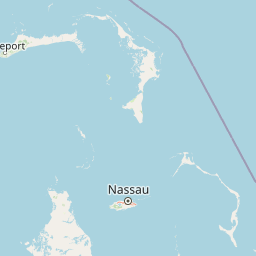
The park's location on New Providence, the most populated island in the Bahamas and home to the capital Nassau, places it within a landscape where natural and urban environments intersect. This proximity to the capital makes the park potentially valuable for environmental education, as residents and visitors can observe a functioning coastal ecosystem relatively close to the city center. The existence of protected areas like Bonefish Pond reflects the broader Bahamian awareness that natural resources, while abundant, require management and protection to remain productive.
Top sights and standout views in Bonefish Pond National Park
Bonefish Pond National Park's primary highlight is its role as a thriving marine nursery protecting critical habitats for bonefish, crawfish, and conch in the heart of New Providence island. The successful restoration of degraded wetland areas through red mangrove planting stands as a notable conservation achievement, demonstrating how targeted ecological restoration can recover biodiversity and ecosystem function. The park provides accessible examples of Caribbean wetland ecology near the Bahamas' capital city, offering opportunities for environmental education and awareness. The combination of protection for commercially important species with the accessibility of the location makes this park a valuable component of the Bahamas' conservation network.
Best time to visit Bonefish Pond National Park
The best time to visit Bonefish Pond National Park aligns with the Bahamas' overall dry season, typically running from late November through April, when rainfall is minimal and temperatures are comfortable. During this period, water conditions in the wetland are more stable and visibility for any water-based activities is improved. The winter months also correspond with the peak bonefishing season in the Bahamas, when bonefish are actively feeding on the flats and the park's nursery populations are mature.
The summer months, from May through October, bring higher temperatures, increased rainfall, and the possibility of tropical weather systems, including hurricanes that can affect the Bahamas. While the wetland ecosystem functions year-round, the summer period may involve more challenging conditions for outdoor exploration. Visitors interested in birdwatching or observing marine life should note that different species may be more active during different seasons, and consulting with the Bahamas National Trust for current conditions can help plan a productive visit.