

Mori Atlas logo
National parkBras d'Eau National Park

Discover the mapped geography of coastal lowlands, remnant forests, and vital wetlands.

Bras d'Eau National Park: Protected Landscape and Map Context in Mauritius

Bras d'Eau National Park represents a crucial protected area on Mauritius, safeguarding a distinct coastal lowland landscape. This national park preserves critical fragments of original Mauritian forest, offering vital habitat for endemic species within a terrain shaped by a winding inland waterway and four shallow freshwater bodies known as mares. Explore its unique geography, from mangrove-fringed wetlands to areas supporting endangered flora and fauna, providing essential context for Mauritius's natural heritage.

national parkcoastal wetlandsendemic speciesisland conservationforest reservesbirdwatching

Bras d'Eau National Park

National park

Park overview

Structured park overview, official facts, and landscape profile for Bras d'Eau National Park

Bras d'Eau National Park park facts, protected area profile, and essential visitor context
Review the core facts for Bras d'Eau National Park, including designation, size, terrain, visitor scale, habitats, and operating context in one park-focused overview.

About Bras d'Eau National Park

Bras d'Eau National Park occupies a coastal strip in the northeast of Mauritius, near the small settlement of Poste Lafayette. The park encompasses approximately 497 hectares of state land and surrounding reserves, lying between the coast and inland areas that were historically covered by indigenous Mauritian forest. Unlike the more famous Black River Gorges National Park in the island's southwest, Bras d'Eau remains relatively quiet and rarely visited, offering a more solitary nature experience. The original forests of this area were largely cleared during the colonial period and replaced with commercial timber plantations of species introduced from the Caribbean, Australia, and elsewhere. However, pockets of the original biodiversity survived among these plantations, and the presence of these remnant endemics prompted the establishment of the national park. Today the park provides protection for some of the last surviving populations of critically endangered Mauritian plant species while offering visitors walking trails through a landscape that blends plantation forest with native vegetation remnants and coastal wetlands.

Quick facts and research context for Bras d'Eau National Park

Bras d'Eau National Park covers approximately 5 square kilometres in the northeast of Mauritius, established in October 2011 under the Wildlife and National Parks Act of 1993. The park features four coastal lakes known as mares, with the largest being Mare sarcelle, which contains mangrove communities and serves as a habitat for migratory bird species. Two marked walking trails traverse the park, including a 6.6 kilometre trail connecting the visitor centre to Mare sarcelle. The area contains historic 200-year-old ruins including the remains of a sugar mill and lime kiln, reflecting the island's colonial agricultural history.

Park context

Deeper park guide and search-rich context for Bras d'Eau National Park

Bras d'Eau National Park history, landscape, wildlife, and travel context
Explore Bras d'Eau National Park through its history, landscape character, ecosystems, wildlife, conservation priorities, cultural context, and seasonal travel timing in a structured park guide built for atlas discovery and search intent.

Why Bras d'Eau National Park stands out

Bras d'Eau is best known for its role in protecting rare endemic Mauritian flora and fauna that survive in remnant forest patches amid commercial timber plantations. The park preserves critically endangered plants including two species of giant Mauritian ebony trees and rare ferns, alongside endemic bird species such as the Mascarene paradise flycatcher, Mauritius cuckooshrike, and Mauritius grey white-eye. Its wetland system centred on Mare sarcelle supports mangrove ecosystems and serves as a stopping point for migratory birds including whimbrels, striated herons, and common moorhens.
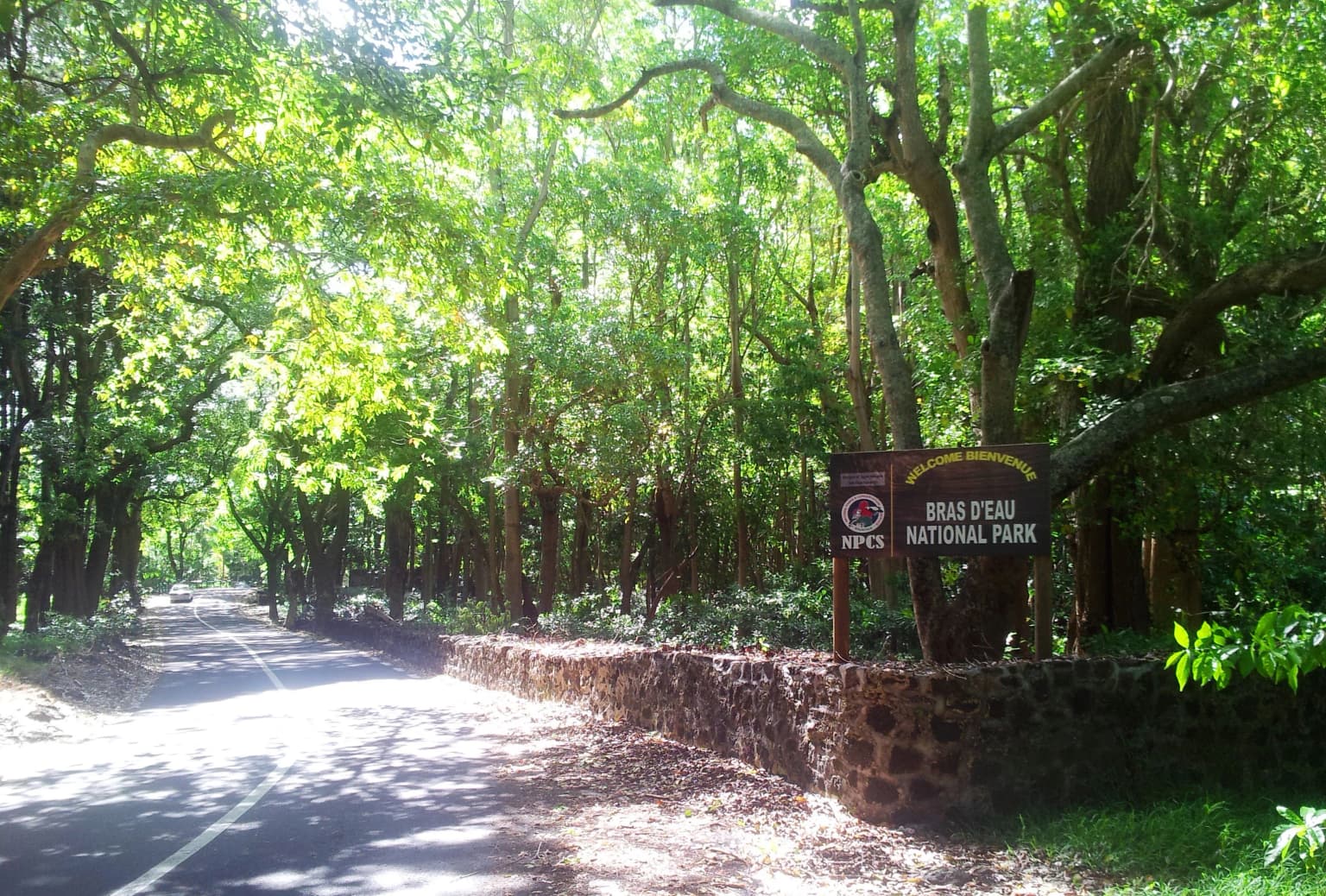
Bras d'Eau National Park Entrance
Entrance sign for Bras d'Eau National Park, Mauritius.

Bras d'Eau National Park history and protected-area timeline

The name Bras d'Eau derives from the distinctive waterway that winds through the area, its shape resembling an arm reaching inland from the sea. The region experienced extensive deforestation during the early colonial period as original indigenous forests were cleared for timber extraction and agricultural expansion. The remnants of native forest that survived among the commercial plantations acquired renewed significance as conservation priorities grew in the late twentieth and early twenty-first centuries. The presence of critically endangered endemic species in these forest fragments provided the ecological justification for establishing protected status. Bras d'Eau was officially declared a national park on 25 October 2011, becoming the second land-based national park in Mauritius after Black River Gorges. The designation was made under Section 11(1) of the 1993 Wildlife and National Parks Act, with management responsibilities falling to the Mauritian National Parks and Conservation Service.

Bras d'Eau National Park landscape and geographic character

The physical landscape of Bras d'Eau National Park consists of coastal lowland terrain with gentle elevation changes transitioning from the shoreline to inland areas. The defining geographical feature is the bras d'eau itself, a winding body of water that extends from the coast inland, giving the area its name. Four shallow freshwater bodies known locally as mares punctuate the park, each with distinct characteristics. Mare chevrettes takes its name from the small shrimp that inhabit its waters, while Mare mahogany is surrounded by the commercial mahogany plantations that dominate much of the park. Mare Coq des bois refers to the paradise flycatcher that frequents the area, and Mare sarcelle, the largest of the four, is named after an extinct local waterfowl species. The landscape around the mares ranges from dense plantation forest to open wetland areas with mangrove growth, particularly around Mare sarcelle.
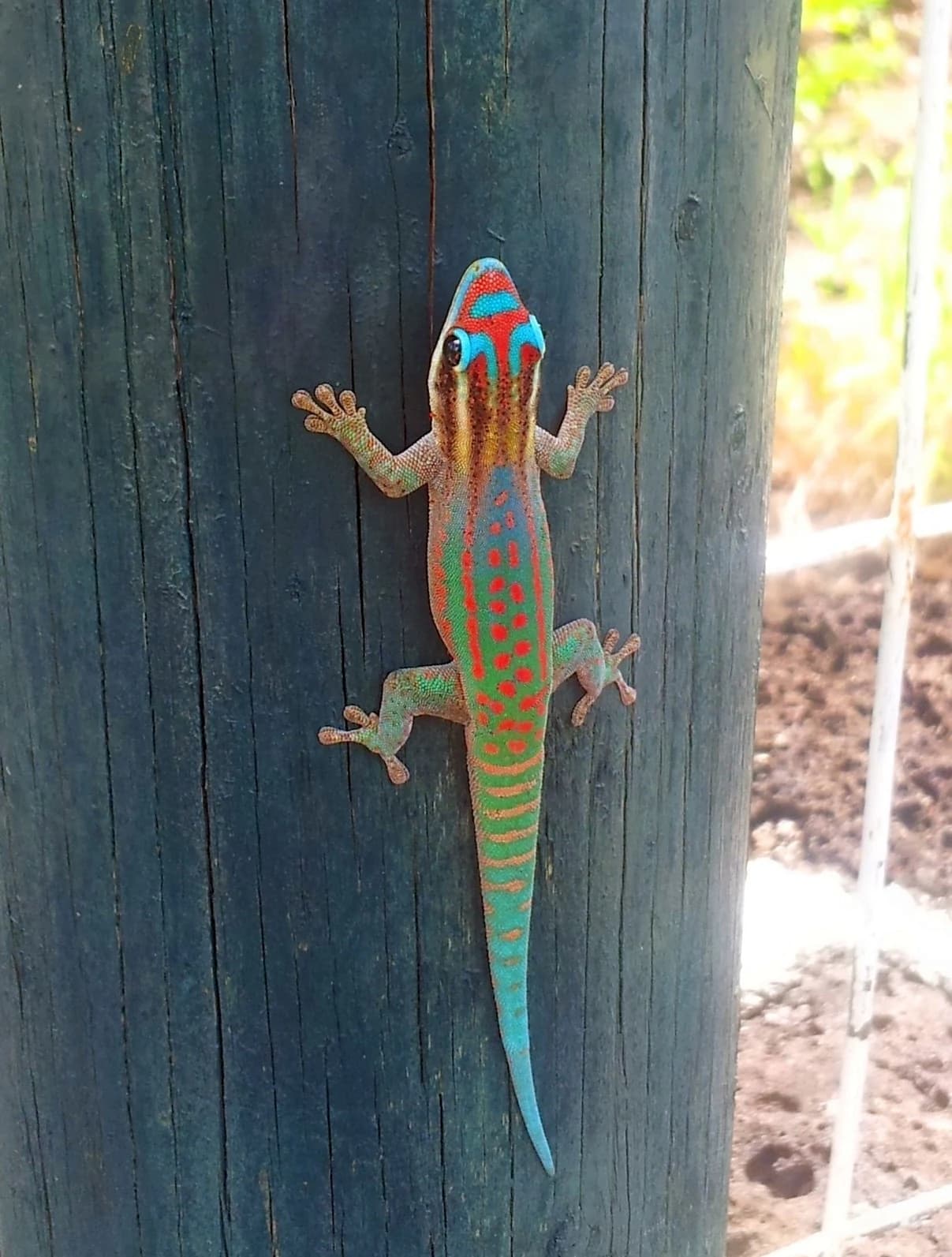
Ornate Day Gecko - Phelsuma ornata
Mauritius Ornate Day Gecko (Phelsuma ornata) in Bras d'Eau National Park.

Bras d'Eau National Park ecosystems, habitats, and plant life

The ecological character of Bras d'Eau reflects the dramatic transformation of Mauritius's original vegetation. The original indigenous forests that once covered the island have been largely replaced by commercial plantations of species such as West Indian Mahogany, Queensland pine, and several Eucalyptus species. These plantation forests now cover the majority of the park's area, but pockets of original biodiversity survive in the understory and in less accessible locations. Two species of giant Mauritian ebony trees, Diospyros melanida and Diospyros egrettarum, persist in small numbers, representing survivors of the original forest canopy. The understory contains critically endangered ferns including Doryopteris pilosa and the aquatic Acrostichum aureum, along with the orchid Oeoniella. The gradual return of rare endemic plants to the forest floor of commercial Araucaia plantations demonstrates the resilience of Mauritius's native vegetation when given protection.

Bras d'Eau National Park wildlife and species highlights

The animal life of Bras d'Eau National Park reflects the extensive extinctions that have occurred in Mauritius since human settlement, though the park still supports several rare and endemic bird species. Three endemic birds remain confirmed residents: the Mascarene paradise flycatcher, the Mauritius cuckooshrike, and the Mauritius grey white-eye. The park's wetland areas provide habitat for migratory bird species, with Mare sarcelle supporting whimbrels, striated herons, and common moorhens that visit during seasonal migrations. Reptiles are represented solely by geckos of the genus Phelsuma, with the ornate day gecko being a notable resident. Larger native species that once inhabited the island have been extirpated, but the surviving bird populations maintain ecological connections to the forest and wetland habitats.

Bras d'Eau National Park conservation status and protection priorities

Bras d'Eau National Park represents an important conservation asset for Mauritius, protecting remnant populations of species that have been pushed to the brink of extinction elsewhere on the island. The establishment of the park in 2011 acknowledged that even small patches of original vegetation can harbour critically endangered species of profound conservation significance. The park protects genetic reservoirs of Mauritian ebony trees and other endemics that cannot survive in the transformed plantation landscape. The wetland system centred on Mare sarcelle provides ecosystem services including water filtration and sediment retention while supporting both resident and migratory bird populations. As one of only three national parks in Mauritius, Bras d'Eau contributes to the island's commitments to biodiversity preservation under national environmental legislation.

Bras d'Eau National Park cultural meaning and human context

Beyond its ecological significance, Bras d'Eau National Park contains elements of Mauritius's colonial history embedded within its landscapes. The forest contains the ruins of a sugar mill and lime kiln dating back approximately 200 years, physical reminders of the island's historical role as a sugar-producing colony. These structures represent the agricultural transformation that ultimately displaced the original indigenous forests, creating the plantation landscape that now characterizes much of the park. The park also contains the Mauritius Radio Telescope facility, adding a modern technological element to the area's diverse land uses. The French place name Bras d'Eau reflects the island's colonial linguistic heritage and the enduring influence of French settlement patterns on Mauritian toponymy.

Top sights and standout views in Bras d'Eau National Park

Bras d'Eau National Park offers visitors a quieter, less crowded alternative to Mauritius's better-known protected areas while preserving irreplaceable endemic biodiversity. The Mare sarcelle trail provides a substantial walking route through plantation forest to the park's largest wetland, where mangrove communities and migratory birds can be observed. The historic ruins scattered through the forest add historical depth to a visit, connecting contemporary nature conservation with the island's colonial agricultural past. The park's four mares each offer distinct ecological characters, from the shrimp-inhabited Mare chevrettes to the mangrove-fringed Mare sarcelle supporting multiple bird species.

Best time to visit Bras d'Eau National Park

Mauritius experiences a subtropical climate with warm temperatures throughout the year, making Bras d'Eau accessible to visitors in any season. The warmer summer months from November to April typically offer the most pleasant conditions for walking the park's trails, with clearer skies and longer daylight hours providing more time for exploration. The winter months from June to September remain mild and can also provide comfortable conditions, though occasional rainfall may occur. Visitors seeking to observe migratory birds at Mare sarcelle may find the southern hemisphere summer months particularly rewarding, when species such as whimbrels and striated herons are present.
Park location guide

Geography guide, regional context, and park location map for Bras d'Eau National Park

Bras d'Eau National Park park geography, regions, and map view in Mauritius
Understand where Bras d'Eau National Park sits in Mauritius through a broader geographic reading of the surrounding landscape, nearby location context, and its mapped position within the national park landscape.

Map view of Bras d'Eau National Park

Use this park location map to pinpoint Bras d'Eau National Park in Mauritius, understand its exact geographic position, and read its mapped placement within the surrounding landscape more clearly.

Pigeon | © OpenStreetMap contributors

Visualizing the diverse terrain, wetland ecosystems, and unique protected-area character of Bras d'Eau's Mauritian coastal environment.

Bras d'Eau National Park Photos: Explore Mauritius's Coastal Wetlands and Endemic Forest Landscapes
Explore the visual identity of Bras d'Eau National Park through an extensive collection of landscape and habitat imagery, revealing its unique coastal lowlands, freshwater marshes, and critically endangered endemic forest patches. These detailed photos offer essential insights into the park's varied terrain, wetland ecosystems, and the specific conservation challenges defining this vital Mauritian protected area.

Bras d'Eau National Park Entrance

Indigenous plants in plantation - Bras d'Eau NP.jpg

Ornate Day Gecko - Phelsuma ornata

Park atlas

Discover more protected landscapes, island ecosystems, and regional conservation areas on the Mauritian map.

Explore Other National Parks and Protected Areas Near Bras d'Eau National Park
Broaden your protected area discovery beyond Bras d'Eau National Park by browsing other national parks and protected landscapes within Mauritius's regional geography. Compare additional coastal wetlands, forest reserves, and unique island conservation sites to understand the full scope of the island's natural heritage and mapped park spread.
Watercolor painting showing green fields, distant mountains, and a clear sky
National parkRéunion

Réunion National Park: Mapped Volcanic Landscape and Protected Area Exploration

Discover its dramatic cirques, active volcano, and endemic species.

Delve into the heart of Réunion National Park, a protected landscape renowned for its raw volcanic beauty and remarkable biodiversity. This detail page offers an atlas-driven perspective on its dramatic geological features, including the iconic cirques of Mafate, Salazie, and Cilaos, and the active Piton de la Fournaise. Understand the park's mapped boundaries and its significance as a UNESCO World Heritage site, showcasing a unique ecosystem with a high degree of endemic species found nowhere else. Explore the terrain that defines this spectacular Indian Ocean island.

Area
1,053.84 km²
Established
2007
IUCN
II
Relief
Mountain
National parkMadagascar

Zahamena National Park: Madagascar National Park Exploration and Geographic Context

Mapping the protected boundaries and landscape of Zahamena National Park.

Delve into Zahamena National Park, a vital protected territory situated in Madagascar. This national park offers a unique perspective on the island's natural geography and its status as a significant protected landscape. Understand its position within Madagascar's broader context, focusing on the mapped aspects of its protected area identity and its contribution to the country's renowned biodiversity hotspot status.

Area
423 km²
Established
1997
IUCN
II
Relief
Mountain
National parkAlaotra-Mangoro

Analamazaotra National Park: Protected Rainforest Ecosystem and Mapped Landscape in Alaotra-Mangoro

Explore Madagascar's Eastern Highlands protected area geography.

Analamazaotra National Park, situated in Madagascar's Alaotra-Mangoro region, represents a critical segment of the island's protected eastern rainforests. This national park is mapped as a vital conservation area, offering insights into its unique ecosystems and natural terrain. Understanding Analamazaotra National Park's geographic placement and protected boundaries provides essential context for regional landscape exploration and atlas-based geographic discovery within Madagascar.

Area
26.53 km²
Established
2015
IUCN
II
Relief
Highland
National parkAlaotra-Mangoro

Andasibe-Mantadia National Park: National Park and Protected Landscape Identity

Explore its mapped boundaries and geographic context.

Andasibe-Mantadia National Park is a distinct protected territory within the Alaotra-Mangoro region, serving as a crucial focal point for understanding Madagascar's regional geography and protected land distribution. This detail page provides essential atlas-style information on the park's mapped area and its natural landscape characteristics. Engage with structured data that highlights the park's protected status and its position within the broader geographic framework of eastern Madagascar, supporting focused discovery for researchers and explorers.

Area
155 km²
Established
1989
IUCN
II
Visitors
26.1K annual
National parkMadagascar

Marolambo National Park: Madagascar's National Park and Protected Landscape

Explore mapped boundaries and regional geography.

Marolambo National Park stands as a protected national park within Madagascar's globally recognized biodiversity hotspot. This entry provides focused insight into its protected landscape, its specific geographic context within the island nation, and its role in the conservation of unique natural terrain. Understanding Marolambo National Park through its mapped boundaries and regional geography contributes to a broader atlas exploration of Madagascar's endemic ecosystems.

Area
950.63 km²
Climate
Tropical
Access
Remote access
Scope
Terrestrial
National parkMadagascar

Marojejy National Park: A Protected National Park within Madagascar's Unique Geography

Mapped landscape context and regional protected area significance.

Marojejy National Park is a distinct protected area offering rich insights into Madagascar's natural geography. As a national park, its mapped boundaries define a significant landscape that contributes to the island nation's reputation as a biodiversity hotspot. This entry provides essential context for understanding Marojejy National Park's role within the country's protected lands and its value for structured geographic atlas exploration.

Area
555 km²
Established
1998
IUCN
II
Relief
Mountain
National parkMadagascar

Ranomafana National Park: Madagascar's premier Tropical Rainforest Protected Area

Explore its unique mapped geography and landscape context.

Ranomafana National Park stands as a crucial national park within Madagascar's protected lands, safeguarding a significant expanse of tropical rainforest. This page offers a deep dive into its geographic setting, detailing the mapped boundaries and the distinctive natural terrain that supports its exceptional biodiversity. Discover the atlas value of this protected landscape for understanding regional conservation and geographic context.

Area
416 km²
Established
1991
IUCN
II
Climate
Tropical
National parkHaute Matsiatra

Andringitra National Park: A Protected Landscape within Haute Matsiatra's Geography

Explore mapped park boundaries and regional terrain.

Andringitra National Park represents a vital protected area within the Haute Matsiatra region, contributing significantly to the mapped landscape of central Madagascar. Its designation as a national park underscores its importance for conservation and geographic study. Users exploring this destination can gain a detailed understanding of its specific protected boundaries, the surrounding natural terrain, and its overall contribution to the regional geography, making it a key site for atlas-based landscape discovery.

Area
311.6 km²
Established
1999
IUCN
II
Visitors
3.4K annual

Common questions about visiting, size, designation, and location context for Bras d'Eau National Park

Bras d'Eau National Park FAQs for park facts, access, geography, and protected area context
Find quick answers about Bras d'Eau National Park, including protected-area facts, park geography, trail and visitor context, and how the park fits into its surrounding country and regional landscape.
MoriAtlas Explorer

Continue Your Protected Areas Search Across the Global Atlas

Deepen your exploration by continuing the structured search for national parks and protected areas worldwide. Utilize the comprehensive filtering capabilities to compare different conservation landscapes and refine your understanding of global park geography. Discover more about the distribution and characteristics of protected natural areas.

Global natural geography