
Mori Atlas logo
National parkCopo National Park

Discover the mapped boundaries and endemic ecosystems of this critical Argentine national park.

Copo National Park: Protected Dry Chaco Landscape in Santiago del Estero Province

(Parque Nacional Copo)

Copo National Park stands as a crucial protected area within Argentina's Santiago del Estero Province, safeguarding a significant expanse of the Dry Chaco ecosystem. Established to conserve the remnants of the province's once-vast quebracho forests, this national park offers a unique glimpse into a landscape defined by dense woodlands and rich biodiversity. The park's terrain, characterized by gently undulating plains, supports vital habitats for endangered large mammals and showcases the distinctive Santiago red quebracho tree, a species of immense ecological and historical importance. Understanding Copo National Park provides essential context for regional geography and protected landscape conservation in South America.

National ParkDry ChacoArgentinaProtected AreaSantiago del EsteroWildlife Conservation

Copo National Park

National park

Park overview

Structured park overview, official facts, and landscape profile for Copo National Park

Copo National Park park facts, protected area profile, and essential visitor context
Review the core facts for Copo National Park, including designation, size, terrain, visitor scale, habitats, and operating context in one park-focused overview.

About Copo National Park

Copo National Park represents one of Argentina's most important conservation designations in the Dry Chaco ecoregion, established in 2000 to protect a representative sample of this distinctive South American ecosystem. The park is situated in the Copo Department of Santiago del Estero Province, in the heart of Argentina's northern dry forest belt, where annual precipitation averages between 500 and 700 millimeters and temperatures remain warm throughout the year. The protected area encompasses approximately 118,118 hectares of forests, savannas, and scrubland that exemplify the Dry Chaco's characteristic biodiversity. The Santiago red quebracho, locally known as quebracho colorado santiagueño, stands as the park's defining tree species, its dense, tannin-rich wood having made it a highly prized commodity that drove extensive deforestation across the region throughout the 19th and early 20th centuries. Beyond its ecological value, the park provides critical habitat connectivity for wide-ranging species like jaguars and maned wolves that require large territories to maintain viable populations.

Quick facts and research context for Copo National Park

Copo National Park spans 118,118 hectares in the Dry Chaco region of Santiago del Estero Province, Argentina. Established on November 22, 2000, it is classified as an IUCN Category II protected area managed by Argentina's Administración de Parques Nacionales. The park represents one of the last substantial remnants of quebracho colorado santiagueño forest, a habitat type that has been severely reduced across Argentina due to intensive logging. The ecosystem supports a remarkable concentration of threatened megafauna, including five endangered species: maned wolf, jaguar, giant anteater, chacoan peccary, and giant armadillo.

Park context

Deeper park guide and search-rich context for Copo National Park

Copo National Park history, landscape, wildlife, and travel context
Explore Copo National Park through its history, landscape character, ecosystems, wildlife, conservation priorities, cultural context, and seasonal travel timing in a structured park guide built for atlas discovery and search intent.

Why Copo National Park stands out

Copo National Park is best known as a vital refuge for Dry Chaco biodiversity, protecting the iconic Santiago red quebracho forests that once covered most of Santiago del Estero Province. The park houses significant populations of endangered large mammals including the maned wolf, jaguar, and giant armadillo. Its conservation significance is amplified by the fact that it preserves what was once a vastly more widespread ecosystem: fewer than 20% of the original quebracho scrubland remains in the entire province today, making this protected area a critical island of biodiversity in a heavily modified landscape.

Copo National Park history and protected-area timeline

Copo National Park was officially established on November 22, 2000, making it one of the more recent additions to Argentina's national park system. The park's creation reflected growing recognition of the need to preserve remnants of the Dry Chaco ecosystem, which had been dramatically reduced by agricultural expansion and logging. The quebracho colorado tree species that dominates the park's forests was extensively exploited throughout the late 19th and early 20th centuries, with the tree's valuable timber and tannin-rich bark driving widespread deforestation. At the beginning of the 20th century, Santiago del Estero Province was approximately 80% quebracho scrubland, but intensive exploitation reduced this to roughly 20% by recent decades. The establishment of Copo National Park represented a deliberate effort to protect what remained of this vanishing ecosystem and the biodiversity it supports.

Copo National Park landscape and geographic character

The terrain of Copo National Park consists of gently undulating plains characteristic of the Dry Chaco, with forests dominated by dense quebracho scrub forming the dominant landscape. The park's flat to slightly rolling topography supports a mosaic of forest types and more open savanna areas, with the quebracho colorado trees creating a distinctive canopy in the more densely forested sections. The region's climate produces seasonal variations in vegetation appearance, with the warm conditions and moderate rainfall supporting a semi-deciduous forest character. The landscape lacks dramatic topographic relief but possesses a stark beauty in its extensive dry forest vistas and the distinctive silhouette of quebracho trees against the provincial sky.

Copo National Park ecosystems, habitats, and plant life

The Dry Chaco ecosystem preserved within Copo National Park represents one of South America's most extensive dry forest systems, characterized by the dominance of quebracho species and associated xerophytic vegetation. The Santiago red quebracho serves as the ecological keystone species, its presence defining the forest structure and providing habitat for numerous other species. This tree's remarkable durability and tannin content made it historically valuable but also left it vulnerable to over-exploitation. The park's biodiversity includes numerous reptile, bird, and small mammal species adapted to the seasonal dry conditions, though the larger mammals receive the most conservation attention due to their endangered status. The ecosystem operates under pronounced seasonality, with the 500-700mm annual rainfall creating distinct wet and dry periods that shape vegetation phenology and wildlife behavior.

Copo National Park wildlife and species highlights

Copo National Park supports an impressive array of endangered megafauna, with five species of particular conservation significance calling the protected area home. The maned wolf, South America's largest canid, inhabits the park's forest and savanna edges where it hunts small mammals and fruits. Jaguars, the region's apex predators, maintain territories throughout the park's forested areas, preying on peccaries, capybaras, and other medium to large mammals. The giant anteater, recognizable by its distinctive long snout and massive claws, forages in the park's open areas and forest edges. The chacoan peccary, a pig-like ungulate adapted to arid conditions, moves through the forest in social groups. The giant armadillo, one of the largest armadillo species, digs its burrows in the park's softer soils. This concentration of five endangered large mammal species within a single protected area makes Copo nationally significant for wildlife conservation.

Copo National Park conservation status and protection priorities

Copo National Park plays a crucial role in preserving what remains of the Dry Chaco ecosystem, which has been reduced to a fraction of its historical extent across Argentina. The park protects a representative sample of Dry Chaco biodiversity in what is described as an average state of conservation, acknowledging that the ecosystem has been impacted by historical land use beyond the park's boundaries. The protection of quebracho colorado forest is particularly significant given that fewer than 20% of the original scrubland remains in Santiago del Estero Province. The park provides essential habitat for five endangered species, each requiring large contiguous areas to maintain viable populations. The presence of jaguars and maned wolves indicates a relatively intact predator-prey system, suggesting meaningful ecological functionality despite surrounding landscape modification. Conservation challenges include managing the interface between protected and unprotected lands and ensuring connectivity for wide-ranging species.

Copo National Park cultural meaning and human context

The Dry Chaco region has been inhabited by indigenous peoples for millennia, with the landscape holding cultural significance for local communities. The quebracho tree's name derives from Spanish terminology meaning break-axe, reflecting the tree's legendary hardness and the tools required to process it. Santiago del Estero Province carries the nickname La Tierra del Sol y del Agua (Land of Sun and Water), reflecting the region's climate character. The extensive historical logging of quebracho forests for tannin extraction and railroad ties created economic activity but fundamentally transformed the regional landscape, leaving the protected areas of Copo as ecological islands in a modified territory.

Top sights and standout views in Copo National Park

The preservation of Santiago red quebracho forests, a habitat type reduced to 20% of its historical extent in the province. Endangered megafauna population including maned wolves, jaguars, giant anteaters, chacoan peccaries, and giant armadillos. One of Argentina's newest national parks, representing modern conservation priorities in the Dry Chaco. A living museum of an ecosystem that defined Santiago del Estero's character before extensive logging altered the province's landscape.

Best time to visit Copo National Park

The optimal visiting period for Copo National Park falls during the cooler, drier months from May through September, when temperatures are more comfortable for outdoor exploration and wildlife sightings may increase as animals congregate around remaining water sources. The wet season from October through April brings higher temperatures and occasional flooding that can restrict access to some areas. The transitional periods of late autumn and early spring offer pleasant conditions and the opportunity to observe wildlife active during cooler parts of the day. Visitors interested in observing the park's distinctive birdlife and larger mammals should consider the dry season when vegetation is less dense and animals are more visible.
Park location guide

Geography guide, regional context, and park location map for Copo National Park

Copo National Park park geography, regions, and map view in Argentina
Understand where Copo National Park sits in Argentina through a broader geographic reading of the surrounding landscape, nearby location context, and its mapped position within the national park landscape.

How Copo National Park fits into Argentina

Argentina is a federal republic located in the southern cone of South America, bordering Chile, Bolivia, Paraguay, Brazil, Uruguay, and the Atlantic Ocean. With an area of 2,780,085 km², it is the second-largest country in South America and the eighth-largest globally. The capital and largest city is Buenos Aires, and the official language is Spanish. The country claims sovereignty over the Falkland Islands, South Georgia and the South Sandwich Islands, and a portion of Antarctica.

Wider geography shaping Copo National Park in Argentina

Argentina occupies the southern portion of South America, sharing the Southern Cone region with Chile to the west. The country borders Bolivia and Paraguay to the north, Brazil to the northeast, Uruguay and the South Atlantic Ocean to the east, and the Drake Passage to the south. The Andes mountain range runs along the western border, while the Pampas plains dominate the central region. Argentina also claims territories in Antarctica.

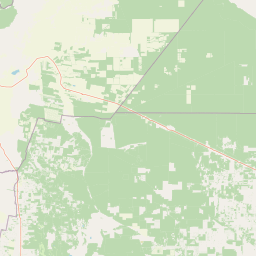
Map view of Copo National Park

Use this park location map to pinpoint Copo National Park in Argentina, understand its exact geographic position, and read its mapped placement within the surrounding landscape more clearly.

Pigeon | © OpenStreetMap contributors

Location context for Copo National Park

Santiago del Estero Province
Park atlas

Map nearby conservation areas to understand the regional spread of Dry Chaco protection.

Browse National Parks and Protected Areas Near Copo National Park in Argentina
From Copo National Park, continue browsing a curated list of nearby national parks and other protected areas within Argentina's Dry Chaco ecosystem. This regional park atlas allows for geographic comparison, revealing the spread of vital conservation landscapes and diverse protected habitats.
National parkChaco Province

Chaco National Park: Protected Landscape and Regional Geography Atlas

Explore mapped boundaries within the Eastern Chaco's unique ecosystem.

Chaco National Park is an important protected area in Chaco Province, Argentina, dedicated to preserving the unique Eastern Chaco ecosystem. Covering 150 square kilometers, its landscape comprises warm lowland terrain with scrubland, savanna, swamp areas, and scattered lakes. This national park is recognized for its efforts to conserve the distinctive quebracho forests and supports a rich array of wildlife, making it a key site for understanding regional protected-area geography and landscape context.

Area
150 km²
Established
1954
IUCN
II
National parkFormosa Province

Río Pilcomayo National Park: Protected Humid Chaco Wetland Landscape & Geography

Explore mapped boundaries and unique floodplain terrain in Formosa Province.

Río Pilcomayo National Park represents a significant protected natural area within Argentina's Formosa Province, characterized by the unique ecosystems of the Humid Chaco. The park's landscape is defined by extensive floodplains, marshes, lakes, and forests, all influenced by the Pilcomayo River's dynamic hydrological cycle. As a Ramsar site, it safeguards crucial habitats, including those for the endangered jaguar, and showcases iconic Caranday palm savannas. This detailed atlas entry provides insights into its mapped geography and the vital protected landscape it preserves.

Area
518.89 km²
Established
1951
IUCN
II
Relief
Lowland
National parkTucumán Province

Aconquija National Park: Southern Andean Yungas Protected Landscape in Tucumán Province

Explore its montane forest and mapped geographic context.

Aconquija National Park is a significant federal protected area located in Tucumán Province, Argentina. This national park is dedicated to conserving the diverse Southern Andean Yungas montane forest ecosystem, characterized by a dramatic elevational gradient. Its landscapes transition from cloud forest to high alpine terrain, offering a unique opportunity to study and appreciate a well-preserved montane environment within a critical geographic region. Discover the mapped extent and ecological importance of this protected area.

Area
499.94 km²
Established
1995
IUCN
II
National parkCorrientes Province

Mburucuyá National Park: National Park in Corrientes Province, Argentina

Iconic yatay palm savannas and diverse wetland ecosystems.

As a key national park within Argentina's Corrientes Province, Mburucuyá National Park offers a unique atlas-scale view of ecological convergence. It preserves expansive yatay palm savannas, critical wetland habitats within the Iberá Wetlands, and lush subtropical forests. The park's boundaries define an area where the Humid Chaco, Espinal, and Selva Paranaense biomes meet, creating a landscape of exceptional biodiversity and geographic significance for regional conservation and mapped exploration.

Area
176 km²
Established
2001
IUCN
II
National parkParaguay

Ypoá National Park: Paraguay's Protected Wetland Landscape and Lake Ecosystem

Explore mapped boundaries and significant bird habitats in the Ñeembucú region.

Ypoá National Park is a critical protected area in Paraguay, renowned for its extensive wetland ecosystems dominated by Lake Ypoá. This national park encompasses a rich mosaic of marshlands, riparian forests, and aquatic vegetation, making it a significant habitat for numerous bird species, including several rare and endemic types. Its designation as a Ramsar Wetland underscores its ecological importance, offering a unique lens for understanding landscape context and protected-area geography within South America.

Area
1,000 km²
Established
1992
IUCN
II
Protected areaGran Chaco Province

Aguaragüe National Park and Integrated Management Natural Area: Bolivia's Easternmost Sub-Andean Protected Landscape

Explore its mapped mountain geography and ecological diversity.

Aguaragüe National Park and Integrated Management Natural Area is a crucial protected area in Bolivia's Gran Chaco Province, defined by the Serranía del Aguaragüe mountain range. This landscape offers a unique opportunity to explore a geographic transition zone where Southern Andean Yungas montane forests converge with Dry Chaco ecosystems. The park's protected boundaries encompass a rugged mountain backbone rising from the lowlands, representing a vital segment of Bolivia's Sub-Andean geography and protected natural areas.

Area
1,083.07 km²
Established
2000
IUCN
II
Relief
Mountain
National parkCórdoba Province

Quebrada del Condorito National Park: Mapped Protected Landscape and Biological Island Ecosystem

Argentina National Park in Córdoba Province

Quebrada del Condorito National Park is a federally protected area in Argentina's Córdoba Province, established to safeguard a significant portion of the Sierras Pampeanas mountain ecosystem. The park's rugged terrain, including deep gorges and high-altitude plateaus, creates a distinct biological island environment supporting a wealth of endemic species. Its geographic isolation and dramatic landscape make it a unique focus for protected-area discovery and understanding Argentina's natural geography.

Area
373.44 km²
Established
1996
IUCN
II
National parkAntofagasta Region

Llullaillaco National Park: Mapped Volcanic Terrain and Protected Andean Landscape

Explore the high-altitude desert ecosystem and national park boundaries.

Llullaillaco National Park is a significant protected area in the Antofagasta Region, characterized by its striking volcanic landscape and high-altitude desert environment. The park's geography includes the towering Llullaillaco volcano, ancient ravines, and expansive semi-desert plains, forming a unique segment of the Central Andean dry puna ecoregion. Discover the mapped terrain and protected area context of this remarkable Chilean national park, offering insights into its arid-adapted biodiversity and geological significance.

Area
2,687 km²
IUCN
II

Common questions about visiting, size, designation, and location context for Copo National Park

Copo National Park FAQs for park facts, access, geography, and protected area context
Find quick answers about Copo National Park, including protected-area facts, park geography, trail and visitor context, and how the park fits into its surrounding country and regional landscape.
MoriAtlas Explorer

Continue Your Protected Areas Search Across the Global Atlas

Deepen your exploration by continuing the structured search for national parks and protected areas worldwide. Utilize the comprehensive filtering capabilities to compare different conservation landscapes and refine your understanding of global park geography. Discover more about the distribution and characteristics of protected natural areas.

Global natural geography