Why Hingol National Park stands out
Hingol National Park is renowned for its extraordinary geological formations, most prominently the Princess of Hope, a striking hoodoo pillar that resembles a tall statue of a woman and was named by actress Angelina Jolie during a 2004 UN visit. The Balochistan Sphinx, also known as the Lion of Abul-Hol, is another natural rock formation resembling a sphinx and visible from the Makran Coastal Highway. The park's mud volcanoes in the Mid-Hor area represent another distinctive feature, with heights ranging from 800 to 1,500 feet. Beyond its geological wonders, Hingol contains the Hinglaj Mata mandir, a major Hindu pilgrimage site that draws over 250,000 worshippers annually to the center of the park. The park's Kand Malir beach was recognized among Asia's 50 Most Beautiful Beaches in 2018.
Hingol National Park history and protected-area timeline
Hingol National Park was established in 1988 when the Government of Pakistan designated the area under protection, recognizing its exceptional ecological and geological significance. Prior to formal protection, the region had long been inhabited by local communities and served as a seasonal grazing area for pastoralists. The park's name derives from the southern portion of the Hingol River, which has historically supported agricultural communities along its banks. The establishment came during a period when Pakistan was expanding its network of protected areas, with Hingol selected for its unique combination of coastal, desert, and mountain ecosystems. The opening of the Makran Coastal Highway in 2004 dramatically transformed the park's accessibility, connecting it directly to Karachi and enabling a substantial increase in visitor numbers. This infrastructure development brought both tourism opportunities and conservation challenges, as the previously remote landscape became more accessible to the public. The park remains under management by the Wildlife and Parks Department of Balochistan, with a team including wildlife officials, provincial department representatives, and park rangers.
Hingol National Park landscape and geographic character
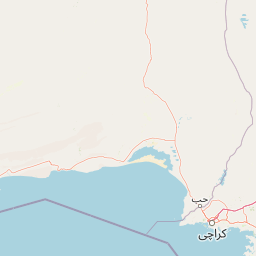
The landscape of Hingol National Park presents a dramatic interplay of geological forces, where the Arabian Sea has sculpted an extraordinary terrain over centuries. The most visually striking features are the hoodoo rock formations scattered throughout the park, particularly the Princess of Hope, a tall pinnacle that from certain angles resembles a female figure standing against the sky. The Balochistan Sphinx is another prominent natural sculpture, bearing an uncanny resemblance to the Egyptian Sphinx and visible from the Buzi Pass along the coastal highway. The park's terrain encompasses coastal cliffs, deep canyons, and expansive semi-desert plains dotted with mesas. Large areas are covered with drift sand, characteristic of the coastal semi-desert environment. The Hingol River estuary creates wetlands where the river meets the sea, while inland areas feature barren mountain ranges that rise sharply from the surrounding plains. The mud volcanoes in the Mid-Hor area add another dimension to the landscape, with their conical shapes and periodic activity creating an almost lunar terrain. Beaches along the coastline, particularly at Kand Malir, offer pristine stretches of sand with clear waters that have earned recognition as among the most beautiful in Asia.
Hingol National Park ecosystems, habitats, and plant life
Hingol National Park encompasses remarkable ecological diversity, supporting six distinct ecosystems within its 6,100 square kilometre boundaries. The park transitions from arid subtropical forest in the northern regions to arid montane environments in the west, with extensive coastal semi-desert areas dominated by drift sand. The Hingol River estuary represents a critical habitat, supporting significant diversity of bird and fish species and serving as a crucial water source in the otherwise arid landscape. Initial botanical surveys recorded approximately 250 plant species, including seven species yet to be formally described, indicating that much of the park's floral diversity remains to be fully documented. The park's position along the Arabian Sea coast places it at the intersection of marine and terrestrial ecosystems, creating opportunities for species that depend on both environments. The coastal areas support turtle nesting, while the wetlands provide staging grounds for migratory birds traveling along the Flyway. This ecological complexity, combining desert, coastal, riverine, and mountain habitats within a single protected area, makes Hingol particularly valuable for conservation in the region.
Hingol National Park wildlife and species highlights
Hingol National Park supports an impressive array of wildlife, with approximately 289 animal species documented across the park's varied habitats. The mammalian fauna includes significant populations of Sindh ibex, estimated at over 3,000 individuals and found throughout the steep mountain ranges, particularly in the Hinglaj and Rodani Kacho areas. Baluchistan urial and Chinkara represent other notable ungulates, while predators include the Persian leopard, caracal, and Indian wolf. Smaller mammals such as the golden jackal, jungle cat, Asiatic wildcat, striped hyena, honey badger, and Indian pangolin complete the predator assemblage. The marsh crocodile population is estimated at approximately 60 individuals, regularly observed along the coastline and in wetland areas. Marine life in the adjacent waters includes Indo-Pacific dolphins and both green and olive turtles, which come ashore to nest on the beaches. The park supports exceptional bird diversity with 185 species documented, including houbara bustard, spot-billed and Dalmatian pelicans, and various eagles. Fourteen bird species of special conservation concern are found here, including critically endangered species like the sociable lapwing and endangered species such as the Saker falcon.
Hingol National Park conservation status and protection priorities
Hingol National Park plays a critical role in Pakistan's conservation framework, protecting a suite of threatened species and fragile ecosystems along the country's southern coast. The park's designation as an IUCN Category II protected area provides a legal framework for habitat preservation and wildlife management. Fourteen bird species of special conservation concern are found within the park boundaries, including the critically endangered sociable lapwing, endangered Saker falcon, and several vulnerable species such as the white-backed vulture, spot-billed pelican, Dalmatian pelican, eastern imperial eagle, Pallas's fish eagle, and houbara bustard. The park's wetlands and coastline provide essential habitat for migratory birds along the Central Asian Flyway. However, the park faces significant conservation challenges, particularly from plastic pollution affecting turtle nesting beaches. Reports indicate that increasing pollution has made it difficult for female turtles to dig nesting chambers, leading to decreased nesting success along the Sindh and Balochistan coasts. Management involves approximately 20 staff members, 18 game watchers, and 2 deputy rangers under the guidance of a park manager who reports to the conservator and Secretary of Wildlife, though independent assessments indicate that many areas require further management reforms.
Hingol National Park cultural meaning and human context
Hingol National Park contains significant cultural and religious heritage, most notably the Hinglaj Mata mandir, also known as Nani Mandir, which ranks among the major Hindu shrines in Pakistan. Located in a cave within the Hanglaj Valley at the heart of the park, this temple dedicated to Kali Mata is said to be approximately 200,000 years old according to local tradition. The temple attracts over 250,000 pilgrims annually during the spring festival, making it one of the most important pilgrimage sites in the region. The annual festival typically sees 20,000 to 30,000 attendees, organized by a committee of leading Hindus from Sindh and Balochistan. The pilgrimage involves challenging climbs to Chandra Gup Mountain, and visitors often camp in tents or under trees due to limited accommodation facilities. This religious significance has created a cultural landscape where natural and spiritual elements are deeply intertwined, with the park serving not only as a wildlife sanctuary but also as a living space for religious practice and community gathering.
Top sights and standout views in Hingol National Park
Hingol National Park offers an unparalleled combination of geological wonders, ecological diversity, and cultural significance within Pakistan's protected area network. The dramatic rock spires of the Princess of Hope and Balochistan Sphinx represent world-class natural sculptures formed by millennia of wind and wave erosion. The park's mud volcanoes, ranging from 800 to 1,500 feet in height, create an otherworldly landscape unique among Pakistani national parks. The Hingol River estuary provides critical habitat for waterfowl and supports populations of marsh crocodiles, while the coastline offers pristine beaches at Kand Malir, recognized among Asia's most beautiful. The presence of the Hinglaj Mata mandir adds spiritual dimension, with the annual pilgrimage drawing hundreds of thousands of worshippers. The park's position along the Makran Coastal Highway makes these diverse attractions increasingly accessible, while its six distinct ecosystems ranging from desert to montane to coastal provide exceptional environmental variety.
Best time to visit Hingol National Park
The optimal time to visit Hingol National Park is during the cooler months from October through March, when daytime temperatures are more comfortable for exploring the park's outdoor attractions. Winter brings milder conditions ideal for wildlife viewing and trekking among the rock formations, though nights can be cool in the desert and mountain areas. The spring season, particularly March and April, coincides with the annual Hinglaj Mata pilgrimage, offering visitors the opportunity to experience the park's cultural significance alongside its natural wonders, though this period also brings larger crowds. Summer months from May to September can bring extreme heat, particularly in the inland desert areas, making outdoor activities challenging. The monsoon season, typically July and August, may affect some areas but also brings the remarkable sight of turtles nesting on the beaches at night, though plastic pollution has impacted this natural phenomenon in recent years. Visitors traveling via the Makran Coastal Highway will find the route most pleasant during the winter months when road conditions are generally good and visibility is clear.