Mori Atlas logo
National parkIñao National Park and Integrated Management Natural Area

Discover the Serranía del Iñao's mountainous terrain and conservation significance.

Iñao National Park and Integrated Management Natural Area: Protected Landscape and Geographic Context in Chuquisaca, Bolivia

(Parque Nacional y Área Natural de Manejo Integrado Serranía del Iñao)

Iñao National Park and Integrated Management Natural Area represents a key protected landscape within Bolivia's Chuquisaca Department, focused on the dramatic Serranía del Iñao mountain range. This atlas-style entry provides essential context on the park's geographic boundaries, its role as a national park, and the unique natural terrain that defines this significant conservation area in the Andean foothills.

National ParkProtected AreaBoliviaChuquisacaAndean FoothillsMountain Landscape

Iñao National Park and Integrated Management Natural Area

National park

Park overview

Structured park overview, official facts, and landscape profile for Iñao National Park and Integrated Management Natural Area

Iñao National Park and Integrated Management Natural Area park facts, protected area profile, and essential visitor context
Review the core facts for Iñao National Park and Integrated Management Natural Area, including designation, size, terrain, visitor scale, habitats, and operating context in one park-focused overview.

About Iñao National Park and Integrated Management Natural Area

Iñao National Park and Integrated Management Natural Area protects a substantial tract of the Serranía del Iñao, a mountain ridge system located in the central-eastern portion of Chuquisaca Department in Bolivia. This protected area represents an important conservation designation in a region where natural habitats face pressures from agricultural expansion and logging. The park's dual zoning structure, combining strict national park protection with an integrated management natural area, reflects a sophisticated approach to balancing biodiversity preservation with the needs of local communities and sustainable land use. The Serranía del Iñao forms part of the transitional zone between the high Andes and the Amazon basin, creating ecological conditions that support diverse flora and fauna. The protected area is accessible via the municipalities of Padilla, Monteagudo, and Villa Vaca Guzmán, each providing different access points to the park's territory.

Quick facts and research context for Iñao National Park and Integrated Management Natural Area

Located in Chuquisaca Department, Bolivia, the protected area covers 2,630.9 km² across four provinces: Belisario Boeto, Tomina, Hernando Siles, and Luis Calvo. The national park core zone comprises 1,422.4 km² while the Integrated Management Natural Area covers 1,208.5 km². The park was established on May 28, 2004, and falls under the management of Bolivia's national protected area service. Coordinates place the park at approximately 19.425°S, 63.92°W in the eastern Andean foothills region.

Park context

Deeper park guide and search-rich context for Iñao National Park and Integrated Management Natural Area

Iñao National Park and Integrated Management Natural Area history, landscape, wildlife, and travel context
Explore Iñao National Park and Integrated Management Natural Area through its history, landscape character, ecosystems, wildlife, conservation priorities, cultural context, and seasonal travel timing in a structured park guide built for atlas discovery and search intent.

Why Iñao National Park and Integrated Management Natural Area stands out

The Serranía del Iñao mountain range forms the core geographic identity of this protected area, providing dramatic ridgeline scenery and diverse microclimates within the Andean foothills. The park is noted for its population of military macaws, a species of parrot that inhabits the forested slopes and canyon systems of the region. The combination of protected mountain ecosystems with the integrated management approach makes this a notable example of Bolivian conservation planning in the inter-Andean transitional zone.

Iñao National Park and Integrated Management Natural Area history and protected-area timeline

The Iñao protected area was formally established on May 28, 2004, through the enactment of Law Resolution Nº 2727, which created both the national park and the integrated management natural area designations. This legislative action reflected Bolivia's broader commitment to expanding its protected area network during the early 2000s. The Servicio Nacional de Áreas Protegidas (SERNAP) was designated as the governing body responsible for managing the protected area, aligning with the national system of protected area administration. The establishment of the park recognized the ecological and scenic value of the Serranía del Iñao region, which had previously lacked formal protection status.

Iñao National Park and Integrated Management Natural Area landscape and geographic character

The physical landscape of Iñao National Park centers on the Serranía del Iñao, a prominent ridge system that rises from the surrounding plains of Chuquisaca Department. The terrain features steep slopes, deep valleys, and exposed rock formations characteristic of foothill environments. The elevation range creates diverse microclimates across the protected area, from lower slopes dominated by xerophytic vegetation to higher zones supporting more humid conditions. The mountainous character of the park contrasts with the more gently rolling terrain typical of the broader Chuquisaca region, making the Serranía del Iñao a distinctive topographical feature.

Iñao National Park and Integrated Management Natural Area ecosystems, habitats, and plant life

The ecological character of the Iñao protected area reflects its position in the Andean foothills transitional zone. The park supports a range of habitat types from cloud forest remnants on upper slopes to drier forest and scrub vegetation at lower elevations. This ecological diversity supports varied plant communities and provides crucial habitat for numerous species. The presence of the military macaw indicates the importance of the area for avian biodiversity, as this species requires intact forest habitat for nesting and foraging. The integrated management zone allows for sustainable use practices that complement the core protected areas, maintaining ecological connectivity across the broader landscape.

Iñao National Park and Integrated Management Natural Area wildlife and species highlights

The wildlife of Iñao National Park is highlighted by the presence of the military macaw, a colorful parrot species that inhabits the forested areas of the Serranía del Iñao. This species is particularly associated with cliff-side nesting sites and feeds on fruits and seeds within the forest canopy. The diverse elevation gradient of the mountain ridge creates conditions for varied wildlife communities, from smaller mammals and reptiles in the lower elevations to more specialized species in the higher terrain. While specific species inventories are limited in available sources, the protected area clearly serves as an important habitat for regional biodiversity.

Iñao National Park and Integrated Management Natural Area conservation status and protection priorities

Iñao National Park contributes to Bolivia's protected area network by preserving the Serranía del Iñao ecosystem, which represents a biogeographically significant zone between the high Andes and the Amazon lowlands. The IUCN category II designation reflects the national park's primary goal of protecting intact ecosystems and scenic landscapes. The integrated management natural area component provides a buffer zone where sustainable activities can occur while still contributing to broader conservation objectives. This dual approach helps maintain ecological corridors and supports the long-term viability of species populations within the protected area and surrounding lands.

Iñao National Park and Integrated Management Natural Area cultural meaning and human context

The Iñao protected area is situated within a landscape of small municipalities and rural communities in Chuquisaca Department, including Padilla, Monteagudo, and Villa Vaca Guzmán. These communities have traditional connections to the land, though the specific indigenous history of the Serranía del Iñao region is not extensively documented in available sources. The integrated management natural area designation reflects recognition that local communities maintain relationships with the landscape that can be accommodated within broader conservation frameworks.

Top sights and standout views in Iñao National Park and Integrated Management Natural Area

The Serranía del Iñao ridge forms the park's most dramatic landscape feature, with its steep slopes and ridgeline providing scenic value and ecological diversity. The military macaw population represents a notable wildlife feature, as this species requires specialized habitat that the protected area helps preserve. The park's location in the transitional zone between Andean and Amazonian ecosystems gives it ecological significance beyond its local context. The dual zoning approach combining strict protection with integrated management demonstrates a balanced conservation model.

Best time to visit Iñao National Park and Integrated Management Natural Area

The optimal period for visiting Iñao National Park corresponds to the dry season in Bolivia, typically from May through October, when conditions are more favorable for travel within the mountainous terrain. The cooler dry months offer more comfortable temperatures for hiking and exploration, though the mountain environment can experience significant variation between day and night temperatures. Visitors should be aware that access depends on road conditions, which can be challenging during the rainy season from November to April.
Park location guide

Geography guide, regional context, and park location map for Iñao National Park and Integrated Management Natural Area

Iñao National Park and Integrated Management Natural Area park geography, regions, and map view in Bolivia
Understand where Iñao National Park and Integrated Management Natural Area sits in Bolivia through a broader geographic reading of the surrounding landscape, nearby location context, and its mapped position within the national park landscape.

How Iñao National Park and Integrated Management Natural Area fits into Bolivia

Bolivia, officially the Plurinational State of Bolivia, is a landlocked country in central South America. It features diverse geography including the Andean mountain range, Amazonian plains, Gran Chaco, and the Pantanal wetland. The country has a population of approximately 11.4 million and is administratively divided into nine departments, with La Paz as the seat of government and Sucre as the constitutional capital.

Wider geography shaping Iñao National Park and Integrated Management Natural Area in Bolivia

Bolivia is located in central South America, bordered by Brazil to the north and east, Paraguay to the southeast, Argentina to the south, Chile to the southwest, and Peru to the west. The country is divided between a western Andean region and tropical lowlands to the east and north. It includes the Amazonian plain, Gran Chaco, temperate valleys, the high-altitude Altiplano plateau, and part of the Pantanal wetland along its eastern border.

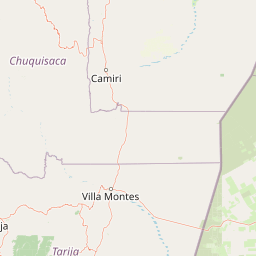
Map view of Iñao National Park and Integrated Management Natural Area

Use this park location map to pinpoint Iñao National Park and Integrated Management Natural Area in Bolivia, understand its exact geographic position, and read its mapped placement within the surrounding landscape more clearly.

Pigeon | © OpenStreetMap contributors

Location context for Iñao National Park and Integrated Management Natural Area

Chuquisaca Department
Park atlas

Compare surrounding protected landscapes, mountain ecosystems, and regional park geography near Iñao National Park.

Explore Nearby National Parks and Protected Areas Beyond Iñao National Park and Integrated Management Natural Area
Expand your park exploration beyond Iñao National Park and Integrated Management Natural Area by browsing other protected areas within the surrounding regional context. Compare diverse mountain landscapes, trace conservation zones, and understand the broader geographic spread of parks across Bolivia's Andean foothills.
Protected areaGran Chaco Province

Aguaragüe National Park and Integrated Management Natural Area: Bolivia's Easternmost Sub-Andean Protected Landscape

Explore its mapped mountain geography and ecological diversity.

Aguaragüe National Park and Integrated Management Natural Area is a crucial protected area in Bolivia's Gran Chaco Province, defined by the Serranía del Aguaragüe mountain range. This landscape offers a unique opportunity to explore a geographic transition zone where Southern Andean Yungas montane forests converge with Dry Chaco ecosystems. The park's protected boundaries encompass a rugged mountain backbone rising from the lowlands, representing a vital segment of Bolivia's Sub-Andean geography and protected natural areas.

Area
1,083.07 km²
Established
2000
IUCN
II
National parkPotosí Department

Torotoro National Park: Paleontology and Karst Landscape Exploration in Bolivia

Discover prehistoric footprints within dramatic Andean canyon geography.

Torotoro National Park in the Potosí Department is a protected area distinguished by its rich paleontological significance and unique semi-arid mountain terrain. Featuring dramatic canyon systems plunging hundreds of meters deep, the park showcases thousands of Cretaceous dinosaur footprints alongside its complex karst topography, complete with caves and sinkholes, offering a profound glimpse into both ancient life and sculpted natural geography.

Area
165 km²
Established
1989
IUCN
II
National parkArica-Parinacota Region

Lauca National Park: Mapped Volcanic Terrain and High-Altitude Protected Landscapes

Explore the geography of this Arica-Parinacota Region national park.

Lauca National Park is a significant protected area in Chile's Arica-Parinacota Region, offering a unique glimpse into the dramatic geography of the high Andes. Its landscape is characterized by imposing volcanic formations, including Parinacota Volcano, and expansive altiplano terrain. This national park serves as a vital protected landscape, inviting detailed exploration of its mapped boundaries, diverse ecosystems, and remarkable natural features for those interested in geographic context and conservation.

Area
1,379 km²
Established
1970
IUCN
II
National parkSantiago del Estero Province

Copo National Park: A Vital Dry Chaco Protected Landscape in Argentina

Explore its mapped boundaries and endemic forest ecosystems.

Copo National Park represents a significant conservation effort within Santiago del Estero Province, protecting a representative segment of the Dry Chaco biome. This national park preserves the iconic quebracho scrubland, a habitat that has been drastically reduced province-wide, serving as a critical refuge for endangered species like the jaguar and maned wolf. The park's landscape features warm climate conditions and characteristic forest formations dominated by the Santiago red quebracho, offering a unique opportunity to study and appreciate a vital, yet vulnerable, regional ecosystem. Its protected status underscores its importance for understanding Argentine protected areas and landscape ecology.

Area
1,181.18 km²
Established
2000
IUCN
II
National parkAntofagasta Region

Llullaillaco National Park: Mapped Volcanic Terrain and Protected Andean Landscape

Explore the high-altitude desert ecosystem and national park boundaries.

Llullaillaco National Park is a significant protected area in the Antofagasta Region, characterized by its striking volcanic landscape and high-altitude desert environment. The park's geography includes the towering Llullaillaco volcano, ancient ravines, and expansive semi-desert plains, forming a unique segment of the Central Andean dry puna ecoregion. Discover the mapped terrain and protected area context of this remarkable Chilean national park, offering insights into its arid-adapted biodiversity and geological significance.

Area
2,687 km²
IUCN
II
National parkFormosa Province

Río Pilcomayo National Park: Protected Humid Chaco Wetland Landscape & Geography

Explore mapped boundaries and unique floodplain terrain in Formosa Province.

Río Pilcomayo National Park represents a significant protected natural area within Argentina's Formosa Province, characterized by the unique ecosystems of the Humid Chaco. The park's landscape is defined by extensive floodplains, marshes, lakes, and forests, all influenced by the Pilcomayo River's dynamic hydrological cycle. As a Ramsar site, it safeguards crucial habitats, including those for the endangered jaguar, and showcases iconic Caranday palm savannas. This detailed atlas entry provides insights into its mapped geography and the vital protected landscape it preserves.

Area
518.89 km²
Established
1951
IUCN
II
Relief
Lowland
National parkTucumán Province

Aconquija National Park: Southern Andean Yungas Protected Landscape in Tucumán Province

Explore its montane forest and mapped geographic context.

Aconquija National Park is a significant federal protected area located in Tucumán Province, Argentina. This national park is dedicated to conserving the diverse Southern Andean Yungas montane forest ecosystem, characterized by a dramatic elevational gradient. Its landscapes transition from cloud forest to high alpine terrain, offering a unique opportunity to study and appreciate a well-preserved montane environment within a critical geographic region. Discover the mapped extent and ecological importance of this protected area.

Area
499.94 km²
Established
1995
IUCN
II
National parkPeru

Bahuaja-Sonene National Park: A Major Amazon Frontier National Park in Peru's Geography

Explore its mapped protected landscape and diverse terrain.

Bahuaja-Sonene National Park is an extensive national park situated on the Amazon frontier in southern Peru, encompassing a crucial transition zone between lowland rainforest and higher-elevation forest ecosystems. Its diverse topography, from river valleys to mountainous slopes, creates varied natural landscapes. The park's protected boundaries are integral to the regional conservation strategy, offering a unique lens through which to study the mapped geography and ecological significance of this vast Amazonian protected area.

Area
10,914.2 km²
Established
1996
IUCN
II

Common questions about visiting, size, designation, and location context for Iñao National Park and Integrated Management Natural Area

Iñao National Park and Integrated Management Natural Area FAQs for park facts, access, geography, and protected area context
Find quick answers about Iñao National Park and Integrated Management Natural Area, including protected-area facts, park geography, trail and visitor context, and how the park fits into its surrounding country and regional landscape.
MoriAtlas Explorer

Continue Your Protected Areas Search Across the Global Atlas

Deepen your exploration by continuing the structured search for national parks and protected areas worldwide. Utilize the comprehensive filtering capabilities to compare different conservation landscapes and refine your understanding of global park geography. Discover more about the distribution and characteristics of protected natural areas.

Global natural geography