Mori Atlas logo
National parkMado Hot Spring National Park

Discover the unique Mado Hot Spring National Park protected area within Maguindanao del Norte

Mado Hot Spring National Park: Protected Geothermal Landscape and Therapeutic Waters

Mado Hot Spring National Park represents a significant protected area in Maguindanao del Norte, Philippines, celebrated for its unique geothermal features. Established in 1939, this national park preserves a natural hot spring system, including a therapeutic pool, recognized for its traditional wellness value. Explore the mapped boundaries and distinct landscape context of this protected geothermal site.

hot springsgeothermal featurestherapeutic watersMindanaonational parkPhilippines protected areas

Mado Hot Spring National Park

National park

Park overview

Structured park overview, official facts, and landscape profile for Mado Hot Spring National Park

Mado Hot Spring National Park park facts, protected area profile, and essential visitor context
Review the core facts for Mado Hot Spring National Park, including designation, size, terrain, visitor scale, habitats, and operating context in one park-focused overview.

About Mado Hot Spring National Park

Mado Hot Spring National Park represents a unique protected area within the Philippines' network of national parks, distinguished by its geothermal character rather than the mountainous or forested landscapes that define many other Philippine protected areas. Located in central Mindanao, the park occupies a relatively modest 48-hectare footprint centered on a naturally occurring hot spring system. The thermal waters emerge from underground geological formations, carrying minerals that have contributed to the spring's reputation as a medicinal bathing destination. Beyond the hot spring itself, the park encompasses surrounding lands that contribute to the overall protected area ecosystem. The proximity to Awang Airport and Cotabato City positions the park as an accessible natural attraction for both local residents and visitors to the region. The establishment of the park in 1939 predates many of the Philippines' protected areas and reflects early recognition of the need to preserve significant natural features beyond simply scenic landscapes.

Quick facts and research context for Mado Hot Spring National Park

Mado Hot Spring National Park spans 48 hectares in Datu Odin Sinsuat municipality, Maguindanao del Norte, Mindanao, Philippines. It was established on September 25, 1939, making it one of the Philippines' oldest national parks. The park is classified under IUCN Category II as a national park and is managed by the Department of Environment and Natural Resources. The central feature is a therapeutic hot spring that feeds a natural swimming pool, accompanied by a health resort. The park lies in a predominantly agricultural region of central Mindanao, near the provincial capital area.

Park context

Deeper park guide and search-rich context for Mado Hot Spring National Park

Mado Hot Spring National Park history, landscape, wildlife, and travel context
Explore Mado Hot Spring National Park through its history, landscape character, ecosystems, wildlife, conservation priorities, cultural context, and seasonal travel timing in a structured park guide built for atlas discovery and search intent.

Why Mado Hot Spring National Park stands out

Mado Hot Spring National Park is best known for its geothermal hot spring, which has been traditionally valued for medicinal and therapeutic purposes. The natural warm water pool at the park's center attracts visitors seeking the purported health benefits of the mineral-rich thermal waters. The combination of the hot spring, natural pool, and developed resort facilities creates a distinctive protected area that blends natural resource preservation with recreational wellness use.

Mado Hot Spring National Park history and protected-area timeline

Mado Hot Spring National Park was established on September 25, 1939, through Proclamation No. 456 issued by the national government. This designation placed the hot spring and surrounding lands under formal protection as a national park, making it one of the earliest protected areas established in the Philippines during the American colonial period. The proclamation recognized both the natural significance and the recreational value of the hot spring area. Over the decades, the park has been managed by the Department of Environment and Natural Resources as part of the national protected areas system. The historical continuity of the park's protected status spans multiple political administrations and has provided ongoing recognition of the geothermal resource's special character within the Philippine environmental protection framework.

Mado Hot Spring National Park landscape and geographic character

The landscape of Mado Hot Spring National Park is characterized by its geothermal features rather than dramatic topographic relief. The terrain in the surrounding area consists of gentle rolling lands typical of the central Mindanao basin, primarily used for agricultural purposes. At the park's core, the hot spring creates a distinctive landscape where warm mineral-rich water surfaces to form a natural pool. The area around the spring has been developed with basic infrastructure to accommodate visitors, including a health resort. Unlike mountainous or forested protected areas, this park's landscape is defined by its geological and hydrological characteristics, with the thermal waters creating a unique environmental setting within the broader tropical landscape of Maguindanao.

Mado Hot Spring National Park ecosystems, habitats, and plant life

The nature of Mado Hot Spring National Park is defined primarily by its geothermal environment rather than the terrestrial ecosystems more typical of mountain forest parks. The hot spring system creates a unique habitat characterized by warm water emerging from underground sources. The thermal waters contain minerals that contribute to the spring's therapeutic reputation. The surrounding park area includes tropical vegetation typical of the Mindanao lowland environment. While the park is not primarily known for biodiversity conservation, the protected status helps preserve the hot spring system and its immediate surroundings. The geothermal nature of the site represents a distinct category of protected area within the Philippine landscape, preserving a geological feature of natural significance.

Mado Hot Spring National Park conservation status and protection priorities

Mado Hot Spring National Park contributes to the Philippines' protected area network under IUCN Category II, reflecting its designation as a national park focused on ecosystem protection and preservation. While the park's primary significance lies in its geothermal resource rather than biodiversity, the protected status ensures the hot spring system and surrounding lands remain shielded from development pressures that might otherwise degrade the resource. The national park designation provides a framework for ongoing management by the Department of Environment and Natural Resources and ensures that the therapeutic hot spring remains available for current and future generations. The park represents an early example of Philippine environmental protection, established when the concept of national parks was still relatively new in the country.

Mado Hot Spring National Park cultural meaning and human context

Mado Hot Spring National Park is located in Maguindanao del Norte, a province in the Bangsamoro Autonomous Region in Muslim Mindanao. The surrounding region is predominantly inhabited by Maguindanao people, a major Muslim ethnic group in the Philippines with deep cultural traditions tied to the land. The hot spring has likely held significance for local communities for generations, with the therapeutic properties of the warm waters being part of traditional knowledge and practice. The area exists within a broader cultural landscape where agriculture and settlement have shaped the human-environment relationship over centuries. The park's establishment in 1939 occurred within a colonial context but built upon local recognition of the spring's special qualities.

Top sights and standout views in Mado Hot Spring National Park

The primary highlight of Mado Hot Spring National Park is its therapeutic hot spring, which produces warm mineral-rich waters that visitors have used for generations for perceived health benefits. The natural swimming pool formed by the spring provides a unique bathing experience within a protected natural setting. The park's historical significance as one of the Philippines' earliest national parks, established in 1939, adds depth to its identity beyond simple recreational value. The accessibility from Cotabato City and proximity to Awang Airport make it a convenient natural attraction for travelers to central Mindanao.

Best time to visit Mado Hot Spring National Park

Mado Hot Spring National Park can be visited throughout the year given its location in the tropical climate of Mindanao. The hot spring provides a consistent attraction regardless of season, as the warm waters are not dependent on seasonal rainfall or temperature variations. The dry season from March to May tends to offer more predictable weather for outdoor activities, while the wet season from June to February brings occasional rainfall that may affect visit planning. Visitors seeking thermal bathing may find the experience consistent year-round, though checking local conditions before traveling remains advisable.

Park location guide

Geography guide, regional context, and park location map for Mado Hot Spring National Park

Mado Hot Spring National Park park geography, regions, and map view in Philippines
Understand where Mado Hot Spring National Park sits in Philippines through a broader geographic reading of the surrounding landscape, nearby location context, and its mapped position within the national park landscape.

How Mado Hot Spring National Park fits into Philippines

The Philippines, officially the Republic of the Philippines, is an archipelagic nation in Southeast Asia comprising approximately 7,641 islands categorized into three main geographical divisions: Luzon, Visayas, and Mindanao. Located in the western Pacific Ocean, it shares maritime borders with Taiwan, Japan, Palau, Indonesia, Malaysia, Vietnam, and China. Manila serves as the capital city, while Quezon City is the most populated city, both within Metro Manila.

Wider geography shaping Mado Hot Spring National Park in Philippines

The Philippines is an archipelagic nation in Southeast Asia, positioned in the western Pacific Ocean. Its islands are bounded by the South China Sea to the west, Philippine Sea to the east, and Celebes Sea to the south. The country shares maritime borders with Taiwan to the north, Japan to the northeast, Palau to the east and southeast, Indonesia to the south, Malaysia to the southwest, Vietnam to the west, and China to the northwest.

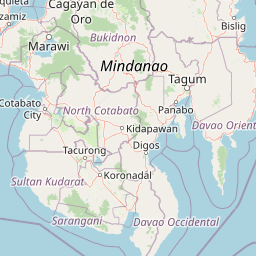
Map view of Mado Hot Spring National Park

Use this park location map to pinpoint Mado Hot Spring National Park in Philippines, understand its exact geographic position, and read its mapped placement within the surrounding landscape more clearly.

Pigeon | © OpenStreetMap contributors

Location context for Mado Hot Spring National Park

Maguindanao del Norte
Park atlas

Compare the unique geothermal landscape of Mado Hot Spring National Park with other protected areas across central Mindanao and the Philippines.

Explore Other National Parks and Protected Areas Near Mado Hot Spring National Park in Mindanao
Delve into an expanded list of national parks and protected areas adjacent to Mado Hot Spring National Park, revealing the diverse conservation landscapes and geothermal features of Mindanao. This geographic context allows for direct comparison of park characteristics and regional protected-area distribution, enhancing your atlas-based exploration of the Philippines.
National parkCebu

Guadalupe Mabugnao Mainit Hot Spring National Park: Protected Landscape and Watershed Geography

Explore hot springs, caves, and mapped terrain in Cebu.

Guadalupe Mabugnao Mainit Hot Spring National Park is a protected national park in Cebu, Philippines, recognized for its significant watershed function and unique natural features. Spanning forested highland terrain within the Mantalongon mountain range, the park protects natural hot springs, explored cave systems such as Cave Lorett, and river networks vital to local water supply. Its identity as a protected landscape offers rich opportunities for geographic exploration, mapping its boundaries, and understanding its role within the regional natural terrain and conservation efforts.

Area
0.575 km²
Established
1972
IUCN
V
National parkPhilippines

Kuapnit Balinsasayao National Park: Philippines Old-Growth Forest and Endemic Wildlife Atlas

Explore protected landscape boundaries and mountainous terrain on Leyte Island.

Kuapnit Balinsasayao National Park stands as a key protected area within the Philippines, distinguished by its mature old-growth forests and its critical role in conserving endemic bird species unique to the Eastern Visayas. Located on Leyte Island within the mountainous terrain of the Anonang-Lobi Mountain Range, the park's protected landscape identity is central to understanding its geographic significance. This park offers a valuable entry point for exploring the mapped natural features and conservation importance of protected areas across the Philippine archipelago.

Area
3.64 km²
Established
1937
IUCN
V
Relief
Mountain
National parkSabah

Tun Sakaran Marine Park National Park: Sabah Marine Archipelago Atlas

Explore the islands, sand cays, and coral reef geography.

Tun Sakaran Marine Park is a protected national park in Sabah, Malaysia, known for its stunning marine biodiversity and archipelago landscape. This atlas entry details the park's distinct islands, dynamic sand cays, and extensive coral reef systems within the Celebes Sea, offering insights into its unique geographic setting and ecological significance.

Area
101 km²
Established
2004
IUCN
II
National parkTojo Una-Una Regency

Kepulauan Togean National Park: Protected Marine Atlas and Island Landscape Geography

Explore Tojo Una-Una Regency's vital coral reef ecosystems and mapped island geography.

Kepulauan Togean National Park is a critically important marine protected area located within the Tojo Una-Una Regency of Indonesia. This national park is celebrated globally for its position at the center of the Coral Triangle, housing the most diverse array of coral species found anywhere on Earth. The park's landscape is defined by an archipelago of islands featuring a complex interplay of coral reefs, seagrass beds, and mangrove forests, creating a rich tapestry of marine habitats. Its geographic location also makes it a significant biogeographical crossroads, influencing the distribution of marine fauna between Asian and Australian regions.

Area
3,626 km²
Established
2004
IUCN
II
National parkZambales

Olongapo Naval Base Perimeter National Park: Philippines National Park & Protected Landscape in Zambales

Coastal terrain and historical military land context.

Discover Olongapo Naval Base Perimeter National Park, a protected landscape within Zambales province, Philippines. Established adjacent to the former U.S. Naval Base Subic Bay perimeter, this small national park preserves a unique coastal fringe. Its mapped boundaries offer insights into a transitional zone, serving as a green corridor and protecting a fragment of the region's natural habitat. Explore the distinct geographical and historical significance of this protected area.

Area
0.09 km²
Established
1968
IUCN
V
Scope
Terrestrial
National parkPhilippines

Aurora Memorial National Park: A Protected Landscape in the Philippines' Sierra Madre

Explore mapped boundaries and endemic avian habitat.

Aurora Memorial National Park represents a critical conservation area situated within the Philippines' Sierra Madre mountain range. Spanning a significant stretch along the eastern mountain slopes, this national park is characterized by its lowland dipterocarp forest ecosystem, recognized for supporting diverse flora and fauna. It is particularly noted as an Important Bird Area, crucial for endemic species like the Philippine eagle and various other avian populations, highlighting its ecological significance within the archipelago's geography.

Area
56.76 km²
Established
1937
IUCN
V
National parkBrunei

Ulu Temburong National Park: Brunei's Protected Rainforest Landscape and Geographic Context

Mapped natural terrain and conservation significance.

Ulu Temburong National Park represents Brunei's commitment to preserving its most ecologically significant tropical rainforests, covering approximately 550 square kilometers. This protected area is characterized by its remote location in the Temburong District and its diverse topography, ranging from lowland areas to mountainous ridges, all within a largely undisturbed natural setting. The park's mapped boundaries encompass a vital transboundary conservation landscape, making it a key site for understanding Borneo's unique ecosystems and forest protection policies through an atlas-driven exploration approach.

Area
488.59 km²
Established
1991
IUCN
II
Relief
Mixed relief
National parkNueva Vizcaya

Bangan Hill National Park: A Protected Landscape within Nueva Vizcaya's Geography

Explore its mapped terrain and cultural significance.

Bangan Hill National Park is a crucial protected area nestled in Nueva Vizcaya, Philippines. This page details its specific geography, including its role as a distinct hill within the broader Cagayan Valley landscape. Users can explore the park's mapped boundaries, understand its role as a national park, and discover the surrounding mountain context of the Caraballo and Cordillera Central ranges. It offers a unique perspective on the region's natural and historical significance, serving as a focal point for protected landscape exploration.

Area
0.139 km²
Established
1995
IUCN
II

Common questions about visiting, size, designation, and location context for Mado Hot Spring National Park

Mado Hot Spring National Park FAQs for park facts, access, geography, and protected area context
Find quick answers about Mado Hot Spring National Park, including protected-area facts, park geography, trail and visitor context, and how the park fits into its surrounding country and regional landscape.
MoriAtlas Explorer

Continue Your Protected Areas Search Across the Global Atlas

Deepen your exploration by continuing the structured search for national parks and protected areas worldwide. Utilize the comprehensive filtering capabilities to compare different conservation landscapes and refine your understanding of global park geography. Discover more about the distribution and characteristics of protected natural areas.

Global natural geography