Why Mount Jerusalem National Park stands out
The park is most notable for supporting what BirdLife International has identified as the largest known population of Albert's lyrebird, a shy and distinctive ground-dwelling bird species endemic to southeastern Australia. This population, along with several other significant bird species, earned the park its designation as part of the Nightcap Range Important Bird Area. The combination of ancient volcanic landscape, subtropical rainforest pockets, and wet sclerophyll forests creates habitat that supports this rare bird population and contributes to the park's ecological significance.
Mount Jerusalem National Park history and protected-area timeline
The establishment of Mount Jerusalem National Park in 1995 marked the culmination of environmental activism in the Northern Rivers region of New South Wales. The area had been subject to logging operations within what was then Nullum State Forest, and growing concern about the ecological values of the region prompted community action. A blockade in 1995 brought attention to the area's significance and helped accelerate the process of formal protection. The eventual declaration of the area as a national park preserved the volcanic landscapes and forest habitats from further timber extraction, securing the watershed functions of the three river systems and protecting the habitat for rare and endemic species.
Mount Jerusalem National Park landscape and geographic character
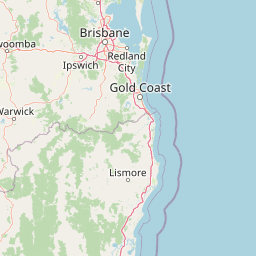
The physical landscape of Mount Jerusalem National Park is defined by its position on the outer margins of the ancient Tweed Caldera. This massive volcanic structure, formed approximately 21 million years ago during a period of significant igneous activity in eastern Australia, has since been deeply eroded, leaving behind a complex terrain of ridges, valleys, and elevated plateaus. The park encompasses parts of three river catchments, with the Tweed River, Brunswick River, and Richmond River all having their headwaters or tributaries within the park boundaries. This watershed function adds to the park's environmental significance, as these river systems flow through populated agricultural regions downstream.
Mount Jerusalem National Park ecosystems, habitats, and plant life
The park falls within the Nightcap Range Important Bird Area, recognized by BirdLife International for its exceptional bird biodiversity. The most significant resident is Albert's lyrebird, which occurs here in what is believed to be the largest known population of this species. Albert's lyrebird inhabits the forest floor and understory, favoring areas with dense ground cover and moist microclimates. The park supports a mix of vegetation communities including subtropical rainforest in the more sheltered valleys and wet sclerophyll forest on the ridges, creating a mosaic of habitats that supports diverse flora and fauna.
Mount Jerusalem National Park wildlife and species highlights
Thepark's vertebrate fauna includes several notable species beyond Albert's lyrebird. The combination of rainforest, wet sclerophyll forest, and the three river systems provides habitat for a range of mammals, reptiles, and amphibians. The forest structure supports both arboreal and ground-dwelling species, with hollow-bearing trees providing shelter for arboreal marsupials. The watercourses running through the park support aquatic species and provide drinking habitat for forest-dwelling animals. BirdLife International notes the presence of several other significant bird species in addition to Albert's lyrebird, though the park is particularly important for this species at the national level.
Mount Jerusalem National Park conservation status and protection priorities
The designation of this area as a national park in 1995 reflected recognition of both its geological significance as part of the Tweed Caldera and its ecological value as habitat for Albert's lyrebird. The park's inclusion in the Nightcap Range Important Bird Area formalizes its importance for bird conservation at an international level. Protection of the watershed areas for three major river systems also provides downstream benefits for water quality in the broader Northern Rivers catchment.
Mount Jerusalem National Park cultural meaning and human context
The park is situated in the traditional country of the Bundjalung people, who have long inhabited the Northern Rivers region of New South Wales. While the Wikipedia source does not detail specific cultural heritage sites within the park, the broader Nightcap Range area has significance in local Aboriginal heritage. The park forms part of a chain of protected areas extending north into Queensland as part of the World Heritage-listed Gondwana Rainforests of Australia.
Top sights and standout views in Mount Jerusalem National Park
Lake on Koonyum Range provides one of the scenic highlights within the park, offering visitors views across the surrounding landscape. The ancient volcanic terrain creates distinctive ridgeline walks with perspectives over the eroded caldera landscape. The opportunity to observe Albert's lyrebird in its natural habitat represents a major draw for ornithologists and nature enthusiasts. The three river systems provide aquatic habitats and add to the landscape diversity.
Best time to visit Mount Jerusalem National Park
The park can be visited throughout the year, though the cooler, drier months from late autumn through winter and into early spring typically offer more comfortable conditions for bushwalking. The subtropical climate of the Northern Rivers region means that summer months can be hot and wet, with higher humidity making sustained activity more challenging. Wildlife viewing opportunities exist year-round, though the breeding season of Albert's lyrebird in winter and spring may increase the likelihood of observable behavior.