
Mori Atlas logo
National parkNxai Pan National Park

Discover the mapped geography and protected landscapes of this unique national park.

Nxai Pan National Park: Botswana's Salt Pan Wilderness and Baobab Landscape

Nxai Pan National Park represents a distinctive protected landscape within Botswana, defined by its vast, salt-crusted pan surfaces and the ancient, silhouette-defining baobab trees. This park, encompassing a portion of the immense Makgadikgadi Pan system, offers an extraordinary setting for understanding regional geography and the distribution of protected areas. Explore its unique terrain and discover the mapped boundaries of this significant national park.

Wilderness AreaBaobab ForestsSalt Pan LandscapeKAZA TFCASeasonal WetlandsElephant Habitat

Nxai Pan National Park

National park

Park overview

Structured park overview, official facts, and landscape profile for Nxai Pan National Park

Nxai Pan National Park park facts, protected area profile, and essential visitor context
Review the core facts for Nxai Pan National Park, including designation, size, terrain, visitor scale, habitats, and operating context in one park-focused overview.

About Nxai Pan National Park

Nxai Pan National Park occupies a unique position in Botswana's protected area network, safeguarding a portion of the Makgadikgadi Pan system that represents one of the most extensive salt flat complexes on the African continent. The park's name derives from Setswana, with 'Nxai' referring to the pan itself, a vast fossil lake bed that speaks to a time when this region held a massive inland lake. The landscape is fundamentally defined by its flatness, with the pan surface stretching to the horizon in every direction, broken only by islands of older terrain where baobabs and sparse vegetation manage to survive. The park lies just north of the main Maun-Nata road, making it relatively accessible compared to more remote northern reserves, yet it retains a wilderness character that rewards visitors willing to venture onto its salt-crusted surfaces and dusty tracks. The ecological significance of the area extends beyond the park's borders, forming part of the five-nation Kavango-Zambezi Transfrontier Conservation Area that aims to protect wildlife corridors across southern Africa.

Quick facts and research context for Nxai Pan National Park

Nxai Pan National Park is located in north-eastern Botswana, just north of the Maun-Nata road, and adjoins Makgadikgadi Pans National Park to the north. The protected area covers 2,578 square kilometres and was established in 1992, receiving IUCN Category Ib wilderness area designation. The park protects Nxai Pan itself, a fossil lake bed of approximately 40 square kilometres, which forms part of the greater Makgadikgadi Pan system. The park is renowned for Baines Baobabs, a cluster of ancient baobab trees named after the explorer Thomas Baines, which represents one of the most photographed natural landmarks in Botswana.

Park context

Deeper park guide and search-rich context for Nxai Pan National Park

Nxai Pan National Park history, landscape, wildlife, and travel context
Explore Nxai Pan National Park through its history, landscape character, ecosystems, wildlife, conservation priorities, cultural context, and seasonal travel timing in a structured park guide built for atlas discovery and search intent.

Why Nxai Pan National Park stands out

Nxai Pan National Park is best known for two standout features that define its identity. The first is the iconic Baines Baobabs, a grove of millennia-old baobab trees standing on the edge of the pan, named after Thomas Baines who first documented them for Western botany. These massive, ancient trees silhouetted against the African sky create one of the most recognisable images in all of Botswana's protected areas. The second is the park's location on the Makgadikgadi salt pans, a landscape of extraordinary scale and stark beauty where the horizon seems infinite and the ground shimmers with crystalline salt crusts. This combination of ancient baobab forest and vast salt pan wilderness creates an experience unlike the typical savanna-based parks of the region.

Nxai Pan National Park history and protected-area timeline

The protection of Nxai Pan as a national park came in 1992 when the Botswana government formally established the reserve to protect this distinctive portion of the Makgadikgadi ecosystem. Prior to formal protection, the area had long been part of the broader Makgadikgadi region that local communities and wildlife had traversed for generations. The park's establishment reflected growing recognition of the need to protect not only wildlife habitats but also the unique geological and visual landscape that the salt pans represented. The naming of Baines Baobabs after Thomas Baines, the nineteenth-century explorer and artist who first described these trees for Western botanical science, connects the modern protected area to the era of African exploration when naturalists began documenting the continent's remarkable flora. The park was later incorporated into the Kavango-Zambezi Transfrontier Conservation Area, a collaborative conservation initiative spanning Botswana, Namibia, Zambia, Angola, and Zimbabwe, recognising that wildlife conservation in this region requires transboundary cooperation.

Nxai Pan National Park landscape and geographic character

The landscape of Nxai Pan National Park is defined by its extreme flatness and the stark visual contrast between the white salt pan surface and the darker vegetation that surrounds it. The main pan, covering approximately 40 square kilometres, is the fossil bed of what was once a much larger lake system that dried up thousands of years ago, leaving behind the characteristic salt crust that today creates an almost surreal visual environment. When moisture returns to the pan during the rainy season, temporary shallow lakes form, attracting massive concentrations of waterfowl and providing critical hydration for large herds of grazing animals. The pan is dotted with islands of older, higher ground where the iconic baobab trees grow, their massive trunks and sparse canopies creating silhouettes that are particularly striking during sunrise and sunset. The surrounding landscape consists of sparse grasslands and thorny scrub that typifies this semi-arid region, with the overall impression being one of vast openness under an enormous sky.

Nxai Pan National Park ecosystems, habitats, and plant life

The ecosystem of Nxai Pan represents a unique blend of salt pan, grassland, and woodland habitats that support remarkable biodiversity despite the challenging environmental conditions. The pan itself is essentially a giant seasonal wetland, flooding during the rainy months and becoming a critical feeding and breeding ground for flamingos, pelicans, and other waterbirds that migrate to the Makgadikgadi system in impressive numbers. The surrounding grasslands come alive during the wet season when annual grasses carpet the otherwise sparse landscape, providing forage for the large herds of zebra and wildebeest that move through the area in search of fresh grazing. The islands and higher ground support more woody vegetation including the famous baobabs, which have adapted to survive in this harsh environment by storing water in their massive trunks. The overall ecological character is one of seasonality and dramatic change, with the landscape transforming dramatically between the dry and wet seasons.

Nxai Pan National Park wildlife and species highlights

Nxai Pan National Park supports populations of all the large mammals typical of Botswana's savanna ecosystems, with elephant, giraffe, zebra, wildebeest, lion, leopard, and cheetah all present within its boundaries. The park is particularly known for the large herds of elephant that visit the pan during the dry season, their grey forms moving across the white salt surface creating a striking visual contrast. The zebra and wildebeest herds that migrate through the area are among the largest in the region, their movements following the seasonal rains and the resulting flush of new grass growth. Predators including lion, leopard, cheetah, and Cape wild dogs are well established, preying on the abundant grazers and maintaining ecological balance. Smaller mammals including kudu, springbok, impala, jackal, hyena, bat-eared fox, aardwolf, and honey badger add further diversity to the mammalian fauna, while the pan supports internationally significant populations of flamingos and other waterbirds during the wet season.

Nxai Pan National Park conservation status and protection priorities

The inclusion of Nxai Pan National Park within the Kavango-Zambezi Transfrontier Conservation Area represents its primary conservation significance, connecting this Botswana protected area to a network spanning five nations and protecting some of Africa's most important wildlife corridors. The KAZA TFCA is the second-largest nature and landscape conservation area in the world, recognising that effective wildlife protection in this region requires cooperation beyond national boundaries as migratory species move seasonally across multiple countries. Within Botswana, the park contributes to the protection of the Makgadikgadi ecosystem, one of the country's most distinctive landscapes and one that faces ongoing challenges from climate variability and the pressures of livestock grazing in surrounding areas. The wilderness area designation reflects both the park's ecological importance and the relatively unmodified state of its landscape compared to more heavily impacted regions.

Nxai Pan National Park cultural meaning and human context

The Makgadikgadi region surrounding Nxai Pan holds cultural significance for the indigenous peoples of Botswana, though the national park itself does not contain major archaeological sites or living cultural landscapes that require separate documentation. The area has been used by pastoral communities for generations, and the seasonal movements of wildlife mirror in some ways the historic patterns of human movement through this landscape. The baobab trees that dominate the park's visual identity have long held cultural importance across southern Africa, with various communities using the trees for food, medicine, and spiritual purposes. The modern park exists within a broader regional context where conservation and traditional land use intersect, and visitors to Nxai Pan are encouraged to understand this relationship between protected wilderness and the living communities that surround it.

Top sights and standout views in Nxai Pan National Park

The most compelling highlight of Nxai Pan National Park is undoubtedly the ancient Baines Baobabs, a cluster of massive trees that have stood on the pan's edge for centuries and represent one of Botswana's most photographed natural wonders. The opportunity to see large herds of elephants against the stark white backdrop of the salt pan offers a safari experience fundamentally different from the typical woodland or river-based parks of the region. The seasonal transformation of the landscape, when the dry pan fills with water and becomes a shallow lake teeming with flamingos and other waterbirds, provides one of the most dramatic wildlife spectacles in southern Africa. The park's relative accessibility from the Maun-Nata road makes it a practical destination for visitors seeking a wilderness experience without the extensive travel required for more remote northern reserves.

Best time to visit Nxai Pan National Park

The optimal time to visit Nxai Pan National Park depends on what experience visitors seek, with the park offering fundamentally different characters between the wet and dry seasons. The rainy season from November to April brings the landscape to life, with new grass covering the normally sparse terrain, migratory birds arriving in force, and the pan itself often filling with shallow water that attracts spectacular concentrations of flamingos and other waterfowl. This is also when the large herbivore herds are most abundant, as zebra and wildebeest follow the rains and new growth. However, heavy rains can make some roads difficult to traverse, and the experience is one of green,生机盎然 landscape rather than the stark beauty of the dry season. The dry season from May to September offers easier road conditions and the iconic image of elephants and other wildlife silhouetted against the white salt pan, with animals concentrating around the remaining water sources.

Park location guide

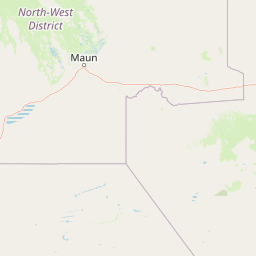
Geography guide, regional context, and park location map for Nxai Pan National Park

Nxai Pan National Park park geography, regions, and map view in Botswana
Understand where Nxai Pan National Park sits in Botswana through a broader geographic reading of the surrounding landscape, nearby location context, and its mapped position within the national park landscape.

How Nxai Pan National Park fits into Botswana

Botswana is a landlocked nation in Southern Africa with approximately 2.4 million residents across 581,730 km² of territory. About 70% of the country lies within the Kalahari Desert. Botswana gained independence in 1966 and operates as a parliamentary republic with President Duma Boko as head of state. The economy is driven by diamond mining and tourism, with the country maintaining one of Africa's higher human development indices.

Wider geography shaping Nxai Pan National Park in Botswana

Botswana is a landlocked country in Southern Africa, bordered by South Africa to the south and southeast, Namibia to the west and north, Zambia to the north, and Zimbabwe to the northeast. The terrain is predominantly flat, with approximately 70% of the territory comprising the Kalahari Desert. The country lies at roughly 24°39.5′S 25°54.5′E.

Map view of Nxai Pan National Park

Use this park location map to pinpoint Nxai Pan National Park in Botswana, understand its exact geographic position, and read its mapped placement within the surrounding landscape more clearly.

Pigeon | © OpenStreetMap contributors

Location context for Nxai Pan National Park

North-Eastern Botswana
Park atlas

Trace the regional spread of diverse protected landscapes surrounding Nxai Pan National Park in Southern Africa

Explore Other National Parks and Protected Areas Near Nxai Pan National Park
Continue your exploration from Nxai Pan National Park to browse a curated list of national parks and protected areas across the surrounding Southern African region. Compare diverse landscapes and conservation zones, tracing their geographic spread and regional context, from vast salt pans to adjacent wilderness areas within the KAZA TFCA.
National parkBotswana

Chobe National Park: Botswana National Park Atlas and Mapped Landscape Explorer

Discover Botswana's diverse protected areas and unique savanna wetlands.

Chobe National Park represents a cornerstone of protected land discovery in Botswana, offering an unparalleled glimpse into a landscape shaped by dynamic water systems and iconic wildlife. This national park is not merely a destination; it is a vital ecosystem supporting vast elephant populations and showcasing a remarkable variety of terrain from riverine floodplains to savanna marshes. Understanding Chobe National Park through its mapped boundaries and regional geographic context reveals its significance as a protected natural area with diverse habitats supporting critical conservation efforts.

Area
11,700 km²
Established
1967
IUCN
II
National parkZimbabwe

Kazuma Pan National Park: Zimbabwe National Park Atlas and Protected Landscape Exploration

Unique plains landscape with reliable dry-season wildlife viewing.

Kazuma Pan National Park offers a rare glimpse into Zimbabwe's expansive grassy plains and vital pans, creating a unique protected landscape. This national park is critical for understanding regional wildlife migrations and the geographic context of conservation areas in northwestern Zimbabwe, providing an essential entry point for atlas-based exploration of its terrain and ecological significance.

Area
313 km²
Established
1975
IUCN
II
National parkZambezi Region

Bwabwata National Park: National Park in the Zambezi Region, Namibia

Explore savanna ecosystem and riverine landscapes.

Bwabwata National Park represents a significant protected landscape in Namibia's Zambezi Region, notable for its integrated community conservation model and its function as a vital wildlife corridor. This national park spans the Caprivi Strip, featuring savanna woodlands and crucial riparian zones along the Okavango and Kwando rivers. As a key component of the Kavango-Zambezi Transfrontier Conservation Area, it facilitates significant elephant migrations, providing rich opportunities for atlas-based exploration of mapped protected areas and regional geography.

Area
6,274 km²
Established
2007
IUCN
II
National parkZimbabwe

Chizarira National Park: Zimbabwe's Remote Protected Landscape on the Zambezi Escarpment

Explore rugged mountains, deep gorges, and unique woodland ecosystems.

Chizarira National Park offers an unparalleled exploration of wilderness and dramatic geography within Zimbabwe. Situated along the imposing Zambezi Escarpment, its landscape is characterized by a 600-meter drop, rugged mountains, and deep river gorges carved by perennial streams. This protected area, known for its remote appeal and rich leopard populations, provides a distinct view of miombo and mopane woodlands, contributing to its unique ecological identity within the regional geography.

Area
2,000 km²
Established
1975
IUCN
II
Relief
Mountain
National parkNamibia

Khaudum National Park: Namibia's Remote Kalahari Protected Landscape and Predatory Wildlife

Explore mapped boundaries and seasonal river ecosystems.

Khaudum National Park is a substantial protected landscape in northeastern Namibia, deep within the Kalahari Desert. This remote national park encompasses over 3,800 square kilometers of dry forest and acacia woodland, dissected by three major Omuramba dry river systems. It is globally recognized for its thriving populations of large predators like lions and spotted hyenas, alongside significant numbers of elephants and giraffes. The park's unique semi-arid terrain and biodiversity make it a key destination for understanding regional protected-area geography and landscape context.

Area
3,842 km²
IUCN
II
National parkAngola

Luengue-Luiana National Park: Angola's Premier Protected Woodland and Floodplain Ecosystem

Mapping crucial habitats for large mammals and avian wildlife.

Luengue-Luiana National Park is a vital protected landscape in southeastern Angola, covering an immense area that transitions from open woodland ecosystems to vast, seasonal floodplain grasslands. As a cornerstone of the Kavango-Zambezi Transfrontier Conservation Area, it facilitates critical wildlife movements and supports significant populations of large mammals. Its geography provides essential habitat, particularly within the extensive wetland wilderness and riparian zones along the Cuando River, making it a significant site for regional biodiversity and atlas exploration.

Area
42,000 km²
Established
2011
IUCN
II
Protected areaSouth Africa

Greater Mapungubwe Transfrontier Conservation Area: A Transboundary Protected Landscape in South Africa

Mapped savanna ecosystems and rich cultural heritage at the Limpopo River confluence.

The Greater Mapungubwe Transfrontier Conservation Area, situated in South Africa, stands as a remarkable example of collaborative conservation across national borders. This protected area protects diverse savanna landscapes, particularly around the confluence of the Shashe and Limpopo Rivers, and holds immense cultural value as home to the Mapungubwe Cultural Landscape, a UNESCO World Heritage Site. By examining its mapped geography and protected area status, users gain insight into the ecological corridors vital for wildlife and the ancient archaeological heritage preserved within this significant transfrontier initiative.

Area
4,872 km²
Established
2009
IUCN
VI
National parkLimpopo

Mapungubwe National Park: National Park with Rich Iron Age Archaeology and Savanna Landscapes

Explore Limpopo's unique protected area at the three-nation border.

Mapungubwe National Park is a vital protected area in South Africa's Limpopo region, renowned for its dual significance as a major archaeological site and a diverse natural landscape. This national park protects a significant portion of savanna ecosystems, including unique riparian forests and mopane woodlands, surrounding the historic Mapungubwe Hill. As part of the Greater Mapungubwe Transfrontier Conservation Area, it plays a crucial role in regional conservation, offering a distinct geographic perspective at the confluence of South Africa, Botswana, and Zimbabwe, and serving as a focal point for atlas-based discovery of protected lands.

Area
280 km²
Established
1998
IUCN
II

Common questions about visiting, size, designation, and location context for Nxai Pan National Park

Nxai Pan National Park FAQs for park facts, access, geography, and protected area context
Find quick answers about Nxai Pan National Park, including protected-area facts, park geography, trail and visitor context, and how the park fits into its surrounding country and regional landscape.
MoriAtlas Explorer

Continue Your Protected Areas Search Across the Global Atlas

Deepen your exploration by continuing the structured search for national parks and protected areas worldwide. Utilize the comprehensive filtering capabilities to compare different conservation landscapes and refine your understanding of global park geography. Discover more about the distribution and characteristics of protected natural areas.

Global natural geography