Why Nyerere National Park stands out
Nyerere National Park is most renowned for its substantial population of endangered African wild dogs, which represent one of the park's most significant conservation assets. The park is also celebrated for its dramatic river ecosystems centered on the Rufiji River, one of Tanzania's most important water systems, which harbors large populations of Nile crocodiles and hippopotamuses. The park's vast savanna landscapes support classic African megafauna including lions, leopards, Masai giraffes, and substantial herds of wildebeest and plains zebra. The delta region of the Rufiji River contains one of the world's largest mangrove forests, creating a unique marine-coastal ecosystem within the protected area.
Nyerere National Park history and protected-area timeline
The origins of Nyerere National Park trace to the establishment of Selous Game Reserve in 1896, when the German Governor of Tanganyika proclaimed this vast area as a protected wildlife hunting reserve. In 1922, the reserve was formally named after Frederick Selous, a prominent big game hunter who later became a wildlife conservationist. For more than a century, the Selous Game Reserve served as one of Africa's most significant protected wilderness areas. In 2019, the Government of Tanzania decided to excise the northern portion of the reserve to form a new national park, officially named Nyerere National Park in honor of Mwalimu Julius Kambarage Nyerere, the first President of Tanzania. This designation elevated the area's protection status and placed it under the administration of the Tanzania National Parks Authority, aligning it with the country's other national parks and bringing enhanced management resources and tourism infrastructure.
Nyerere National Park landscape and geographic character
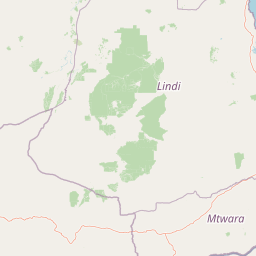
The physical landscape of Nyerere National Park is defined by the presence of the Rufiji River, Tanzania's largest river, which flows through the heart of the protected area. The river system creates a complex network of channels, floodplains, and islands that support diverse habitats throughout the park. The Rufiji River delta, where the river meets the Indian Ocean, contains one of the largest mangrove forest systems in the world, representing a unique coastal ecosystem within the park's boundaries. The surrounding terrain consists primarily of savanna grasslands and woodland habitats, with areas of denser forest along the river corridors. The park's vast extent encompasses a variety of topographical features including plains, rolling hills, and marshland areas that are seasonally flooded.
Nyerere National Park ecosystems, habitats, and plant life
The ecological character of Nyerere National Park encompasses a remarkable diversity of habitats that support significant populations of Africa's most iconic wildlife species. The park's riverine ecosystems, centered on the Rufiji River system, create productive environments that sustain large concentrations of aquatic and semi-aquatic species. The mangrove forests at the river delta represent an internationally significant coastal habitat that supports marine life, provides critical breeding grounds for fish species, and serves as a buffer against coastal erosion. The savanna and woodland habitats that dominate the park's interior support the movement of large herbivore herds and provide hunting territories for apex predators. The combination of protected river systems, extensive wetlands, and intact savanna landscapes makes this area one of Tanzania's most ecologically significant protected areas.
Nyerere National Park wildlife and species highlights
Nyerere National Park supports exceptional wildlife diversity with populations of most iconic African species present within its boundaries. The park is home to significant populations of lions and leopards, the large predators that define the African safari experience. Herds of Masai giraffes move through the savanna alongside massive aggregations of wildebeest and plains zebra during seasonal migrations. Black rhinoceroses, though reduced in numbers from historical populations, remain present in the park. The Rufiji River harbors one of Tanzania's largest concentrations of hippopotamuses and Nile crocodiles, creating spectacular wildlife viewing opportunities along the water's edge. The park is particularly notable for its population of endangered African wild dogs, which represent a flagship conservation species. Additional species include impala, Thomson's gazelle, spotted hyenas, and diverse assemblages of birds, reptiles, amphibians, and smaller mammals.
Nyerere National Park conservation status and protection priorities
Nyerere National Park carries significant conservation importance as Tanzania's largest national park and a critical stronghold for East Africa's wildlife populations. The park's designation as a national park in 2019 reflected the Tanzanian government's commitment to strengthening protections for this wilderness area, particularly in response to severe poaching pressures that dramatically reduced elephant and rhino populations in recent decades. Historical elephant populations in the region exceeded 100,000 individuals in the mid-1970s, but declined by approximately 66 percent between 2009 and 2013, leaving only around 13,000 animals. The elevation to national park status provides enhanced enforcement capabilities and conservation resources through the Tanzania National Parks Authority. The park also contributes to the protection of the Rufiji River ecosystem and its extensive mangrove forests, which represent globally significant coastal habitats.
Nyerere National Park cultural meaning and human context
Nyerere National Park is named in honor of Mwalimu Julius Kambarage Nyerere, Tanzania's first President, who led the country from independence in 1961 until his retirement in 1985. The naming reflects the park's significance within Tanzania's national identity and the government's recognition of wilderness preservation as a core national priority. The park occupies traditional lands that have been inhabited by local communities for generations, and the establishment of the protected area has implications for local communities who historically relied on the land for pastoral and agricultural activities. The park is located in a region of southeastern Tanzania that has experienced relatively limited development compared to other parts of the country, allowing for the preservation of extensive natural landscapes in their near-pristine condition.
Top sights and standout views in Nyerere National Park
The Rufiji River and its delta represent one of Nyerere National Park's most distinctive features, offering opportunities for boat-based wildlife viewing and access to one of the world's largest mangrove forest systems. The park's population of endangered African wild dogs provides exceptional wildlife viewing opportunities for visitors seeking to observe these elusive predators. The vast savanna landscapes support dramatic wildlife interactions including predator-prey encounters and seasonal migrations of wildebeest and zebra herds. The park's relative remoteness and limited development compared to Tanzania's more famous northern parks offer a wilder, more off-the-beaten-path safari experience.
Best time to visit Nyerere National Park
The optimal time to visit Nyerere National Park is during the dry season from June to October, when wildlife congregates around water sources and vegetation is less dense, making animal spotting easier. The dry season coincides with cooler temperatures and lower humidity, enhancing visitor comfort during game drives. Thewet season from November to May brings lush green landscapes and excellent birdwatching opportunities, though some areas may become difficult to access due to flooding. The park can be visited year-round, though the dry season months generally offer the most reliable wildlife viewing experiences.