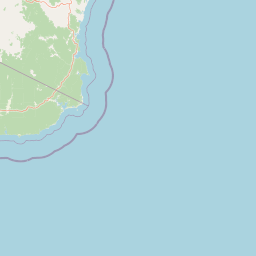
Why Point Hicks Marine National Park stands out
Point Hicks Marine National Park is best known for representing Victoria's warmer eastern marine environment, a transitional zone where temperate and subtropical marine species overlap. The park protects underwater ecosystems containing species absent from cooler waters to the west, making it ecologically significant for understanding marine biogeography along Australia's southern coast. The presence of two historic shipwrecks, the SS Kerangie and SS Saros, also gives the park distinctive maritime heritage value. The marine park forms part of a larger protected coastal corridor including Croajingolong National Park and Point Hicks Lighthouse Reserve.
Point Hicks Marine National Park history and protected-area timeline
Point Hicks Marine National Park was established on 16 November 2002 as part of Victoria's marine protected area network expansion during the early 2000s. The creation of this marine park reflected growing recognition that Victoria's coastal waters required formal protection beyond terrestrial national parks. The park was designated under Victoria's national parks legislation and assigned IUCN Category II status, recognizing its national park-level significance. The establishment process considered the region's ecological values, including the unique warmer marine environment and the presence of species not found elsewhere in Victoria. Management authority was assigned to Parks Victoria, which oversees both terrestrial and marine protected areas in the state. The park's waters contain the remains of two vessels: the steamship Kerangie, lost in 1879, and the SS Saros, lost in 1937. These shipwrecks represent historic maritime activity along this remote section of Victoria's coast and add cultural heritage dimensions to the marine park's values.
Point Hicks Marine National Park landscape and geographic character
The Point Hicks Marine National Park encompasses underwater terrain typical of Victoria's southeastern coast, characterized by a mix of rocky reef systems and softer sedimentary substrates. The coastal seabed features gradual depth increases offshore, with rocky platforms and boulders providing hard surfaces for attachment by kelp, seaweeds, and filter-feeding invertebrates. Sandy areas between reef formations support different communities of burrowing organisms and bottom-feeding fish. The water column itself forms the primary landscape element, with seasonal variations in temperature, clarity, and nutrient availability shaping the marine environment. Above the water, the park is framed by the forested slopes of Croajingolong National Park and the prominent Point Hicks Lighthouse standing on the headland. The lighthouse, established in 1890, marks the coastline and has historically guided vessels through this section of the Tasman Sea coast. The interface between land and sea creates dramatic scenery where forested headlands meet crashing waves and exposed reef platforms.
Point Hicks Marine National Park ecosystems, habitats, and plant life
The marine park protects ecosystems characteristic of Victoria's warmer eastern waters, which differ substantially from the cooler conditions found along much of the state's coast. Warmer sea temperatures in this region support species assemblages that do not extend into Victoria's western waters, making the area biogeographically significant. Kelp forests dominate rocky substrate areas, with species adapted to the moderate wave exposure and seasonal temperature ranges. These underwater forests provide three-dimensional habitat complexity that supports numerous fish species, invertebrates, and algae. The water column contains diverse fish populations, including species that use the area for feeding and breeding. Invertebrate communities include various mollusks, crustaceans, and echinoderms that occupy different microhabitats within the reef and sediment systems. The mixing of warm and cool water influences in this region creates environmental conditions that support species with different thermal tolerances, enhancing local biodiversity.
Point Hicks Marine National Park wildlife and species highlights
Point Hicks Marine National Park supports diverse marine wildlife adapted to the warmer-temperate conditions of Victoria's eastern coast. Fish communities include both resident species and migratory visitors that move through the area seasonally. Reef areas provide shelter and feeding grounds for numerous fish species that rely on kelp forest and rocky habitat structures. The invertebrate fauna encompasses various species of mollusks, including gastropods and bivalves that inhabit both hard and soft substrates. Crustaceans such as crabs and lobsters occupy crevices and overhangs within the reef system. The waters around Point Hicks also attract marine mammals that may transit through or forage in the area, though specific species presence varies seasonally. Birdlife associated with the coastline includes seabirds that forage in the marine environment and nest on adjacent coastal headlands. The combination of productive waters and diverse habitat types supports wildlife populations that depend on the protection afforded by the marine park status.
Point Hicks Marine National Park conservation status and protection priorities
The establishment of Point Hicks Marine National Park represents Victoria's commitment to protecting marine biodiversity within its coastal waters. The park's conservation significance stems primarily from its representation of the state's warmer eastern marine environment, which supports species assemblages not found in cooler western waters. This ecological distinction makes the area important for maintaining genetic diversity and evolutionary processes across Victoria's marine ecosystems. The marine park contributes to a broader network of protected areas along the East Gippsland coast, linking with Croajingolong National Park and other reserves to provide comprehensive habitat protection from terrestrial environments into the sea. Management focuses on maintaining water quality, protecting critical habitats, and ensuring that human activities within the park remain compatible with conservation objectives. The shipwreck sites within the park also receive consideration as heritage elements requiring appropriate management.
Point Hicks Marine National Park cultural meaning and human context
Point Hicks Marine National Park contains maritime heritage elements that add historical dimension to its natural values. Two shipwrecks lie within the park's waters: the SS Kerangie, a steamship lost in 1879, and the SS Saros, lost in 1937. These vessels represent the maritime history of this remote section of Victoria's coast, where navigation challenges and weather events have claimed ships over more than a century of European shipping activity. The adjacent Point Hicks Lighthouse, established in 1890, stands as a terrestrial heritage feature associated with maritime safety along this coastline. The lighthouse was constructed to assist vessels navigating the southeastern coast of Victoria, where the interaction of currents, weather patterns, and the relatively exposed shoreline created hazards for shipping. The combination of underwater shipwreck heritage and the lighthouse creates a cultural landscape that connects contemporary visitors to the region's maritime past.
Top sights and standout views in Point Hicks Marine National Park
Point Hicks Marine National Park stands out for its representation of Victoria's warmer eastern marine environment, protecting species and ecosystems that cannot be found in the state's cooler western waters. The park's location adjacent to Croajingolong National Park creates a continuous protected corridor from land to sea, providing ecological connectivity that benefits both terrestrial and marine species. The presence of two historic shipwrecks adds maritime heritage interest, with the remains of the SS Kerangie and SS Saros lying in park waters. The underwater landscapes feature kelp forests, rocky reefs, and diverse marine communities that thrive in the transitional conditions between temperate and subtropical influences. The park offers protection to marine ecosystems while maintaining access for activities compatible with conservation objectives.
Best time to visit Point Hicks Marine National Park
Point Hicks Marine National Park can be visited throughout the year, though seasonal conditions influence the marine experience. Warmer months from December through March bring higher water temperatures that make underwater activities more comfortable, though this period also corresponds with greater boat traffic along the coast. The cooler months from June through August offer different conditions, with clearer water often providing better visibility for underwater observation. Weather patterns along this section of Victoria's coast can change rapidly, and visitors should be prepared for variable conditions regardless of season. The adjacent Point Hicks Lighthouse and surrounding headland areas provide coastal viewpoints accessible without watercraft, allowing visitors to appreciate the marine park's setting even when boat access is not practical.