

Mori Atlas logo
National parkYelverton National Park

Discover the mapped protected boundaries and diverse vegetation of this Western Australian conservation refuge.

Yelverton National Park National Park: Protected Landscape & Regional Geography

Yelverton National Park represents a significant protected area within the South West Forest region of Western Australia, established to safeguard a remarkable concentration of rare and priority species. This national park, covering 729 hectares, preserves diverse vegetation communities in a landscape shaped by former timber reserves and undulating topography. Its geographic context places it near Busselton and Margaret River, offering an important focal point for understanding regional biodiversity conservation and mapped landscape preservation in Australia.

Australian national parksWestern Australia protected areasSouth West forest regionBiodiversity conservationIUCN Category IIRare species habitat

Yelverton National Park

National park

Park overview

Structured park overview, official facts, and landscape profile for Yelverton National Park

Yelverton National Park park facts, protected area profile, and essential visitor context
Review the core facts for Yelverton National Park, including designation, size, terrain, visitor scale, habitats, and operating context in one park-focused overview.

About Yelverton National Park

Yelverton National Park represents a significant conservation outcome from the Regional Forest Agreement process that reshaped land management across South-West Western Australia in the late 1990s and early 2000s. The park's establishment in 2004 reflected a commitment to protecting areas of high biodiversity value rather than prioritizing timber production or tourism development. Located in the well-known South West forest region, the park occupies a transitional landscape between the more intensively studied and publicized conservation areas around Margaret River and the broader timber-producing forests of the region.

The decision to declare this area a national park rather than retaining it as a timber reserve represented a meaningful shift in land use philosophy for the region. The park's ecological significance stems from the convergence of multiple factors: the presence of rare and priority species populations, the diversity of vegetation communities present, and the relatively intact nature of the habitat. These attributes combined to justify formal national park status under the IUCN Category II classification, which emphasizes ecosystem conservation alongside visitor enjoyment when appropriate.

The park's location along the Bussell Highway places it within a broader regional context of protected areas and sustainably managed forest, though Yelverton itself remains focused on conservation rather than recreation. This approach distinguishes it from nearby destinations that have developed extensive visitor infrastructure to support tourism economies. The absence of facilities should not be interpreted as lack of significance; rather, it reflects a management philosophy that prioritizes ecological protection over recreational access.

Quick facts and research context for Yelverton National Park

Yelverton National Park spans 729 hectares in the South West of Western Australia, established in 2004 under the Forrest Management Plan. The park is located in the City of Busselton local government area, between Busselton and Margaret River along the Bussell Highway. Its protection stems from a high concentration of rare and priority flora and fauna species, combined with diverse vegetation communities characteristic of the South-West Australian forest region. The park was formed from a 725-hectare former timber reserve and a 4-hectare crown reserve designated for water purposes.

Park context

Deeper park guide and search-rich context for Yelverton National Park

Yelverton National Park history, landscape, wildlife, and travel context
Explore Yelverton National Park through its history, landscape character, ecosystems, wildlife, conservation priorities, cultural context, and seasonal travel timing in a structured park guide built for atlas discovery and search intent.

Why Yelverton National Park stands out

Yelverton National Park is best known for its exceptional concentration of rare and priority species, which formed the primary justification for its declaration as a national park. The park preserves diverse vegetation types within a relatively compact area, representing the ecological character of the South-West Australian forest bioregion. Unlike nearby tourism-focused destinations such as Margaret River, this park remains undeveloped with no visitor facilities, serving instead as a dedicated conservation refuge for species of ecological concern.

Yelverton National Park history and protected-area timeline

Yelverton National Park emerged from the comprehensive Regional Forest Agreement process that addressed land use planning across the South-West Forest region of Western Australia. In May 1999, the proposal to create the park from existing reserves was put forward as part of this broader regional planning initiative. The Regional Forest Agreement represented a landmark process that balanced timber industry needs against conservation requirements, with Yelverton identified as an area warranting formal protection due to its biodiversity values.

Implementation of the park designation occurred through the Forrest Management Plan covering the period 2004 to 2013, which provided the administrative framework for transitioning the land from timber reserve status to national park protection. The area comprised two distinct components at the time of declaration: a 725-hectare former timber reserve and a 4-hectare crown reserve originally set aside for water purposes. The combination of these land parcels created a protected area that encompassed the full range of ecological communities present. The formal declaration as a national park in 2004 marked the culmination of a process that began with identification of the area's conservation significance during regional assessment work.

Yelverton National Park landscape and geographic character

The landscape of Yelverton National Park reflects the characteristic terrain of the South-West Australian forest region, an area known for its gentle undulating topography and mixed vegetation cover. The park occupies land that was previously managed as a timber reserve, suggesting the presence of productive forest communities rather than cleared agricultural land. The integration of the former timber reserve with the smaller crown reserve created a contiguous protected area that captures the ecological diversity present in this part of Western Australia.

The surrounding region between Busselton and Margaret River is well-known for its combination of jarrah and marri forest, occasional peppermint woodland, and the diverse understory communities that characterize the Southwest Australian floristic region, recognized globally as a biodiversity hotspot. While the specific details of Yelverton's terrain and visual character remain less documented in available sources, the broader context suggests a landscape of forested ridges and valleys typical of the regional topography.

Yelverton National Park ecosystems, habitats, and plant life

The nature of Yelverton National Park is defined by its role as a refuge for rare and priority species within the South-West Australian floristic region, one of the world's recognized biodiversity hotspots. The park was specifically protected due to its high concentration of rare and priority species, a designation that reflects the presence of plant and animal taxa of conservation concern that require dedicated habitat protection. The diverse range of vegetation types present within the park provides the structural complexity necessary to support these species populations.

South-Western Australia supports an extraordinary level of plant endemism, with thousands of species found nowhere else on Earth. The vegetation communities within Yelverton contribute to this regional pattern of diversity, with multiple distinct plant associations present within the relatively compact 729-hectare area. This concentration of vegetation types within a single protected area enhances the park's conservation value, as it allows for the preservation of ecological relationships and processes that might be lost if the area remained in multiple-use forest or agricultural land.

Yelverton National Park conservation status and protection priorities

Yelverton National Park was established specifically to fulfill conservation objectives rather than to provide recreational opportunities, a distinction that shapes its management philosophy and visitor experience. The park's protection was justified by its high concentration of rare and priority species and its diverse range of vegetation types, criteria that reflect rigorous ecological assessment rather than arbitrary boundary drawing. The Regional Forest Agreement process that identified this area for protection employed systematic biodiversity surveys and modeling to determine which areas warranted formal conservation status.

The park's IUCN Category II designation indicates national park status with primary emphasis on ecosystem conservation, though the absence of visitor facilities suggests that management priority remains focused on habitat protection rather than tourism provision. This approach aligns with the park's founding purpose: to preserve species and ecosystems of conservation concern within a secure protected area boundary. The transition from timber reserve to national park status represented a meaningful increase in the level of protection afforded to this landscape and its biological values.

Top sights and standout views in Yelverton National Park

Yelverton National Park stands as a conservation-focused protected area in the South-West Australian forest region, distinguished by its dedication to preserving rare species and diverse vegetation communities rather than providing visitor facilities. The park was created through the Regional Forest Agreement process, representing a deliberate choice to protect biodiversity over timber production. Its establishment in 2004 from former timber reserve and crown land demonstrates the evolution of land management philosophy in Western Australia. The park's compact 729-hectare area contains a notable concentration of rare and priority species, making it ecologically significant despite its relatively small size compared to other South-West forest reserves.
Park location guide

Geography guide, regional context, and park location map for Yelverton National Park

Yelverton National Park park geography, regions, and map view in Australia
Understand where Yelverton National Park sits in Australia through a broader geographic reading of the surrounding landscape, nearby location context, and its mapped position within the national park landscape.

How Yelverton National Park fits into Australia

Australia is a constitutional monarchy and federal parliamentary democracy comprising six states and ten territories. With a population of nearly 28 million, it is one of the world's most urbanised countries, with most people concentrated on the eastern seaboard. The country has a high Human Development Index and is known for its cultural diversity, ancient Aboriginal heritage, and unique wildlife.

Wider geography shaping Yelverton National Park in Australia

Australia occupies the entire Australian continent, the island of Tasmania, and numerous smaller islands. It is the world's flattest and driest inhabited continent, featuring vast deserts in the interior (the Outback), tropical rainforests along the eastern coast, and a coastline bordering the Indian and Pacific Oceans.

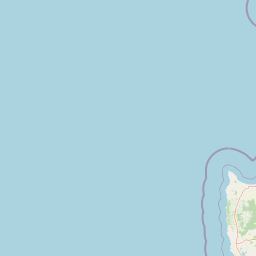
Map view of Yelverton National Park

Use this park location map to pinpoint Yelverton National Park in Australia, understand its exact geographic position, and read its mapped placement within the surrounding landscape more clearly.

Pigeon | © OpenStreetMap contributors

Location context for Yelverton National Park

City of BusseltonWestern Australia
Park atlas

Map the protected landscapes of Western Australia's South West region and compare nearby national parks.

Explore Other National Parks and Protected Areas Near Yelverton National Park, Western Australia
Browse a curated list of national parks and other protected areas situated in Western Australia's South West forest region, complementing your exploration of Yelverton National Park. This expanded geographic context helps you compare diverse conservation landscapes and understand the regional spread of biodiversity protection beyond a single park.
National parkWestern Australia

Wooditjup National Park: Protected Forest Landscape and Regional Geographic Context

Explore mapped boundaries of this Western Australia national park.

Wooditjup National Park stands as a testament to Western Australia's unique forest ecosystems, specifically within the Jarrah Forest bioregion. This protected area offers a distinct natural landscape contrasting with the nearby coastal attractions of Margaret River. Delve into the park's mapped geography, understand its role as a national park, and appreciate its position within the broader South West Australian landscape and its traditional Wardandi Country heritage.

Area
38.92 km²
Established
2004
IUCN
II
Relief
Lowland
National park

Forest Grove National Park: Mapped Boundaries of a Jarrah Forest Protected Landscape

Western Australia's National Park in the Margaret River Region.

Forest Grove National Park represents a vital protected area within Western Australia's Jarrah Forest bioregion, offering a clear look at the characteristic tall open forest and woodland ecosystems of the region. While nearby areas are known for their dramatic coastlines, this national park highlights the inland natural terrain and its unique ecological importance. Its mapped boundaries are integral to understanding the contiguous forest corridors developed to preserve these valuable Southwest Australian habitats.

Area
13.79 km²
Established
2004
Relief
Lowland
Climate
Temperate
National park

Tuart Forest National Park: Discover Australia's Most Significant Pure Tuart Woodland Landscape

Explore the unique limestone terrain and vast eucalyptus geography.

Tuart Forest National Park in Western Australia is a critical protected area dedicated to preserving the world's largest remaining pure tuart forest. This unique ecosystem, found on coastal limestone soils, features some of the most immense Eucalyptus gomphocephala trees globally. The park's geography is characterized by its undulating limestone terrain, supporting a vital habitat for endangered wildlife like the Western Ringtail Possum, offering unparalleled insight into Australia's rare woodland environments.

Area
20.49 km²
Established
1987
IUCN
II
Relief
Lowland
National parkWestern Australia

Blackwood River National Park: Protected Area in Western Australia's Geography

Explore mapped boundaries and natural terrain.

Blackwood River National Park is a key protected area within the vast geographic expanse of Western Australia. This park's designation as a national park underscores its importance for conservation and landscape preservation. Users can explore its precisely mapped boundaries to understand its footprint and its contribution to the regional natural landscape context, offering a grounded perspective on protected lands within Australia.

Area
204.75 km²
Established
2004
IUCN
II
Relief
Upland
National park

Wiltshire-Butler National Park: Mapped Jarrah Forest Landscape in Western Australia

Explore protected boundaries and regional geographic context

Wiltshire-Butler National Park stands as a protected natural area celebrated for its representation of Western Australia's iconic jarrah forest ecosystems. This National Park, created in 2004, offers rich opportunities for atlas-based discovery, focusing on its distinct landscape character, mapped park boundaries, and its geographical placement within the broader South West region. Understanding its terrain and conservation significance provides valuable insight into the protected lands of the Jarrah Forest bioregion.

Area
116.45 km²
Established
2004
IUCN
II
Relief
Highland
National parkWestern Australia

Leeuwin-Naturaliste National Park: Western Australia's Protected Landscape and Geographic Context

Explore mapped natural terrain and protected boundaries.

Leeuwin-Naturaliste National Park provides a distinct focus for understanding protected lands within Western Australia. This national park offers rich opportunities to examine its mapped boundaries and unique landscape characteristics, contributing valuable context to the regional geography of the state. Discover the natural terrain and protected area status that define this significant location for atlas-based discovery and geographic comprehension.

Area
190.92 km²
Established
1957
IUCN
II
Visitors
2.3M annual
National parkWestern Australia

Whicher National Park: Exploring Western Australia's Protected Landscape Geography

A national park with distinct mapped boundaries and natural terrain.

Delve into the geographic profile of Whicher National Park, a designated national park situated within the vast landscapes of Western Australia. This entry provides an atlas-focused view of the park's protected land identity, its position within the regional geography, and the characteristics of its mapped natural terrain. Understand the park's specific role as a protected area and its contribution to the broader natural landscape context of Western Australia.

Established
2019
IUCN
II
Relief
Upland
Climate
Mediterranean
National parkWestern Australia

Scott National Park National Park: Mapped Protected Landscape in Western Australia

Geographic Context and Natural Terrain Discovery

Scott National Park serves as a significant protected area within the diverse geography of Western Australia. This national park provides a focal point for understanding regional landscape patterns and mapped natural features. Explore its role as a protected land, offering insight into the state's broad natural heritage and supporting detailed geographic discovery for atlas enthusiasts.

Area
32.73 km²
Established
1959
IUCN
II
Relief
Lowland

Common questions about visiting, size, designation, and location context for Yelverton National Park

Yelverton National Park FAQs for park facts, access, geography, and protected area context
Find quick answers about Yelverton National Park, including protected-area facts, park geography, trail and visitor context, and how the park fits into its surrounding country and regional landscape.
MoriAtlas Explorer

Continue Your Protected Areas Search Across the Global Atlas

Deepen your exploration by continuing the structured search for national parks and protected areas worldwide. Utilize the comprehensive filtering capabilities to compare different conservation landscapes and refine your understanding of global park geography. Discover more about the distribution and characteristics of protected natural areas.

Global natural geography