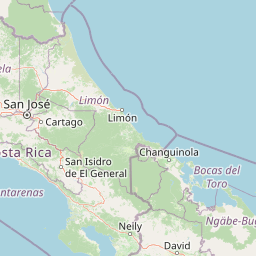
Why Corcovado National Park stands out
Corcovado is best known for its extraordinary biodiversity concentration and pristine lowland tropical rainforest. The park protects the largest remaining stand of primary forest on the American Pacific coast, a landscape that supports all four of Costa Rica's monkey species including the endangered Central American squirrel monkey. It is one of the few places where visitors have a realistic chance of encountering jaguars in the wild, alongside other large predators including pumas, ocelots, and a resident population of harpy eagles. The coastal areas serve as critical nesting grounds for four species of sea turtles, while the surrounding waters attract seasonal humpback whales and diverse dolphin populations. The park's thirteen vegetation zones, including cloud forests, palm swamps, and mangrove systems, create a mosaic of habitats that supports the highest biodiversity concentration found anywhere in Costa Rica.
Corcovado National Park history and protected-area timeline
The establishment of Corcovado National Park in 1975 represents a conservation victory that emerged from a period of intense environmental pressure on the Osa Peninsula. Prior to the park's creation, the peninsula remained relatively remote and sparsely populated, with fewer than 7,000 residents before 1975. Local communities engaged primarily in cattle and pig farming, subsistence agriculture, and small-scale gold mining along the region's rivers. The arrival of the Interamerican Highway South connection in the 1960s brought increased access and development pressures that would transform the peninsula's landscape.
Logging operations began in earnest during the 1960s, attracted by the peninsula's valuable timber species. By the mid-1970s, plans were advancing for a major international logging operation that would have devastated what remained of the primary forest. Scientists and researchers familiar with the region's extraordinary biodiversity petitioned President Daniel Oduber to intervene, leading to the park's creation through presidential decree on October 24, 1975. For his role in protecting the area, President Oduber received the Albert Schweitzer Award from the Animal Welfare Institute.
The transition to protected status created complex challenges with existing land users. Gold miners who were present at the time of establishment were allowed to remain, and by 1986 their numbers had grown to approximately 1,000 individuals. These miners supplemented their income through hunting wildlife, creating additional pressure on the park's fauna. The decision was eventually made to evict the miners, though illegal mining continues to this day with an estimated 400 miners still operating within the park boundaries. Approximately 38 percent of the park, roughly 16,000 hectares, has been impacted by historical mining activities.
Corcovado National Park landscape and geographic character
The physical landscape of Corcovado National Park is characterized by the mountainous terrain of the Osa Peninsula, which rises from sea level along the Pacific coast to elevations exceeding 600 meters within the park boundaries. The park's interior features a network of rivers that drain westward into the Pacific Ocean, creating a dissected landscape of ridges, valleys, and riparian corridors. The most significant waterway is the Rio Sirena, which flows through the heart of the park before entering Laguna Corcovado, a large coastal lagoon that represents one of the most remote and pristine areas of the protected landscape.
The coastal zone features several beaches that serve as nesting sites for marine turtles and as interface points between terrestrial and marine ecosystems. Rocky headlands alternate with sandy shores, while mangrove systems fringe the estuary areas where rivers meet the sea. The inland areas are dominated by the imposing structure of the tropical rainforest, with giant trees emerging above the canopy creating a distinctive skyline. The terrain becomes progressively more rugged toward the park's interior, with steep-sided valleys and intermittent streams creating a complex navigational environment for visitors traversing the park's trail systems.
The park contains distinct elevational zones that produce dramatically different forest character. The lowland areas feature the classic dense tropical rainforest with buttressed trees, lianas, and diverse epiphyte communities. Moving upslope, the forest transitions into cloud forest where persistent mist and higher humidity create ideal conditions for mosses, ferns, and specialized plant communities. The highest areas support reduced tree stature and more open canopies characteristic of montane forest, representing the upper limit of the park's forest ecosystems.
Corcovado National Park ecosystems, habitats, and plant life
The ecological character of Corcovado is defined by its remarkable diversity of habitats, with thirteen distinct vegetation zones identified within the park's boundaries. The montane forest zone dominates more than half the total area, characterized by trees adapted to cooler temperatures and higher moisture levels. Cloud forest occurs at middle elevations where atmospheric moisture condenses to create persistent fog, supporting lush communities of epiphytic plants including orchids, bromeliads, and ferns that blanket tree trunks and branches.
The lowland areas feature several specialized habitat types that contribute to the park's biodiversity. Jolillo forest consists of dense palm swamps that flood seasonally, creating unique conditions for adapted plant and animal species. Alluvial plains forest follows the rivers' courses, supporting species that depend on the nutrient-rich sediments deposited during flooding events. Freshwater herbaceous swamps and mangrove ecosystems along the coast provide critical habitat for aquatic species and serve as nursery areas for marine fish and crustaceans. The combination of these habitats within a relatively compact area creates an ecological mosaic that supports extraordinary species diversity.
The park's vegetation includes over 500 tree species, with notable species including purple heart, poponjoche, nargusta, banak, cow tree, espave, and crabwood. The diversity of tree species contributes directly to the park's animal diversity, as different tree species provide food resources, nesting sites, and structural habitat for countless animal species. This interconnection between vegetation and wildlife forms the foundation of Corcovado's ecological significance, making the preservation of the forest structure as important as the protection of individual species.
Corcovado National Park wildlife and species highlights
The wildlife community of Corcovado National Park represents one of the most diverse assemblages found in any protected area of Central America. The park supports all four of Costa Rica's monkey species, including the endangered Central American squirrel monkey, the white-faced capuchin, the mantled howler, and Geoffroy's spider monkey. These primates form visible and audible components of the forest ecosystem, often encountered by visitors moving through the park's trail systems.
Large predators present in the park include jaguars, pumas, ocelots, margays, and jaguarundi, representing a complete guild of Neotropical felids. A small population of harpy eagles, one of the largest and most powerful raptors in the Americas, maintains a presence in the park's forest canopy. The endangered Baird's tapir, a large herbivorous mammal that plays a critical role as a seed disperser, remains a feature of the park's interior areas. Other notable mammals include collared peccary, both two-toed and three-toed sloths, northern tamandua, silky anteater, and giant anteater.
The park's rivers and coastal waters support significant reptile populations including American crocodiles, spectacled caiman, and bull sharks. Four species of sea turtles nest on the park's beaches, including green sea turtles, Pacific ridley turtles, hawksbill turtles, and leatherback turtles. The surrounding marine areas serve as seasonal habitat for humpback whales that migrate to these waters each winter to breed and give birth. Bryde's whales, spinner dolphins, rough-toothed dolphins, false killer whales, and occasional killer whales also pass through the park's waters. The bird community includes the country's largest population of scarlet macaws, along with great curassows, spectacled owls, black hawks, and over 220 butterfly species.
Corcovado National Park conservation status and protection priorities
Corcovado National Park occupies a critical position in global conservation efforts due to the extraordinary concentration of biodiversity within its boundaries. The Osa Peninsula as a whole contains approximately 2.5 percent of the world's biodiversity, making it one of the most species-rich regions on Earth relative to its area. This significance has attracted attention from major international conservation organizations including Conservation International, The Nature Conservancy, WWF, and multiple government agencies from Costa Rica, Denmark, the Netherlands, Sweden, and the United States.
The park faces significant conservation challenges stemming from historical and ongoing human activities. Illegal gold mining continues to impact approximately 38 percent of the park's area, with heavy metals and sediment pollution degrading aquatic habitats and disrupting ecosystem processes. Poaching of wildlife including jaguars, peccaries, and other species remains a persistent problem, despite enforcement efforts by park rangers from SINAC and partner organizations. The tension between conservation objectives and the economic needs of local communities creates ongoing management challenges, particularly as illegal activities often represent the most viable livelihood options for residents displaced from traditional land uses.
Conservation efforts have evolved to address both ecological and community dimensions. The Global Conservation Organization has partnered with the Osa Conservation organization to support park defense systems, including aerial surveillance using drones and aircraft, ground patrol teams, camera monitoring systems, and enforcement databases targeting illegal activities. Community outreach programs aim to improve relationships between park management and local residents, while providing alternative economic opportunities through ecotourism and conservation employment. The Comunidad Protectora de Tortugas de Osa (COPROT) has developed programs to protect sea turtle nesting sites while offering employment to former gold miners, demonstrating potential pathways toward reconciliation between conservation and community welfare.
Corcovado National Park cultural meaning and human context
The human history of the Osa Peninsula creates an important context for understanding Corcovado's contemporary conservation challenges. Prior to the park's establishment, local communities maintained traditional livelihoods that included cattle and pig farming, subsistence agriculture, and gold mining through panning techniques along the region's rivers. These activities had shaped the peninsula's landscape for generations, creating a complex relationship between human communities and the natural environment.
The creation of the national park in 1975 disrupted these traditional livelihood patterns, creating tension between conservation objectives and community economic needs. Many local residents view the park as an external imposition that denied them access to lands they had used for generations, while conservationists argue that the protection of the peninsula's biodiversity represents a global priority that justifies restricting local resource use. This tension has manifested in ongoing illegal mining and hunting activities, despite enforcement efforts and conservation legislation.
However, the growth of ecotourism has created new economic opportunities that partially address community needs. The tourism industry provides employment as guides, rangers, hotel workers, and restaurant staff, creating pathways for local residents to benefit from conservation rather than view it as an obstacle. Some former miners have transitioned to conservation work through programs like COPROT, which recruits from the mining community to protect sea turtle nesting sites while providing alternative income. This evolution suggests potential for reconciliation between conservation goals and community wellbeing, though significant challenges remain.
Top sights and standout views in Corcovado National Park
Corcovado National Park offers visitors access to one of the last great tropical wilderness areas of Central America, where primary rainforest covers slopes and valleys descending to beaches that serve as nesting grounds for sea turtles. The chance to encounter large wildlife including jaguars, tapirs, and harpy eagles distinguishes this park from more degraded protected areas, though such encounters require patience and good fortune. The park's trail system allows exploration from coastal beaches through lowland forest to cloud forest zones, providing exposure to the full range of the park's ecological diversity.
The park's remote character contributes to its wilderness appeal, with the interior accessible only through multi-day hikes that require fording rivers and navigating rugged terrain. This remoteness has helped preserve the forest and its wildlife from the development pressures that have transformed much of Costa Rica's lowlands. The convergence of terrestrial and marine ecosystems creates exceptional opportunities for wildlife observation, from watching scarlet macaws at coastal cliffs to observing whales breaching offshore. The experience of walking beneath the towering trees of primary tropical forest, listening to the calls of howler monkeys and the rustle of wildlife in the understory, represents a fundamentally different nature experience from that available in more accessible parks.
Best time to visit Corcovado National Park
The optimal period for visiting Corcovado National Park falls during the dry season from December through April, when reduced rainfall makes trail travel safer and more comfortable. The dry months offer better visibility for wildlife observation along rivers and coastal areas, though the forest remains lush and green throughout the year. Visitors during this period can expect clearer conditions for hiking between the park's ranger stations, though river crossings remain potentially dangerous due to the presence of crocodiles and bull sharks.
The wet season from May through November transforms the park's character dramatically, with heavy rainfall creating swollen rivers, flooded trails, and an atmosphere of perpetual moisture. Certain areas of the park close during the wet months, typically from July through November, to protect both visitors and recovering ecosystems. Despite the challenges, the wet season offers rewards for visitors seeking to experience the park in its most dramatic phase, with the forest at its most verdant and waterfalls at their most powerful. The seasonal rains also correspond to the arrival of humpback whales along the coast, making this a particularly special time for marine wildlife observation.