Why Nanga Parbat National Park stands out
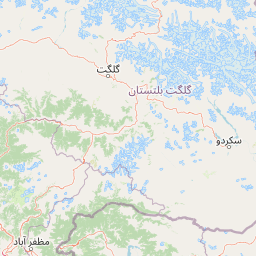
Nanga Parbat National Park is best known for protecting one of the world's most iconic Himalayan peaks and the dramatic mountain landscape surrounding it. The park encompasses the Nanga Parbat massif, a legendary destination for mountaineering that has historically been one of the most challenging and deadly of the eight-thousanders to climb. Beyond its mountaineering significance, the park is recognized for its population of Markhor, the large wild goat species that is Pakistan's national animal, as well as for preserving significant habitat for Himalayan brown bears and Kashmir musk deer in a region where these species face considerable conservation pressure.
Nanga Parbat National Park history and protected-area timeline
Nanga Parbat National Park was established in 2021 as part of Pakistan's efforts to expand and strengthen its network of protected areas. The creation of the park followed recognition of the region's ecological importance and the need to formalize conservation measures for its distinctive mountain ecosystems. Prior to formal protected area status, the area had been managed under various wildlife protection regulations, but the national park designation provided enhanced legal framework for conservation and management.
The establishment of the park came during a period of increased attention to Pakistan's northern mountain regions, which face pressures from climate change, infrastructure development, and shifting land-use patterns. Formal protection for the Nanga Parbat region had been under discussion for several years before the final designation was made. The park encompasses territory that had previously been partially included in other administrative conservation categories, bringing together previously fragmented protections under a single coherent framework.
Nanga Parbat National Park landscape and geographic character
The landscape of Nanga Parbat National Park is defined by the towering peaks and deep valleys of the central Karakoram. The park encompasses dramatic alpine terrain characterized by steep-walled valleys, glaciated peaks, and extensive rock and ice formations. Nanga Parbat itself rises as a massive pyramidal peak, its massive north face presenting one of the most imposing mountain walls in the world. The Rupal Face, on the southern side of the mountain, drops approximately 4,500 meters from summit to base, creating a landscape of extraordinary vertical relief.
The park contains multiple notable peaks beyond Nanga Parbat, including Rupal Peak, Laila Peak, and Shaigiri, which contribute to the spectacular mountain scenery. The Mazeno Ridge, one of the longest high-altitude ridges in the Karakoram, traverses the park's eastern portion. Between the peaks lie glacial valleys and meadows such as Fairy Meadows, a renowned alpine meadow area that has become a destination for visitors seeking to experience the mountain landscape. Rama Lake, a glacial lake in the park, adds to the diversity of landscape features. The terrain ranges from around 2,000 meters elevation in the valley bottoms to over 8,000 meters at the summit of Nanga Parbat.
Nanga Parbat National Park ecosystems, habitats, and plant life
The nature of Nanga Parbat National Park reflects the park's position in the inner Himalayan zone, where continental climate patterns create distinctive vegetation communities. The park protects dry temperate coniferous forests dominated by species including spruce, blue pine, fir, juniper, and birch. These forests occur on slopes and in valleys at lower elevations, providing habitat for wildlife and playing important watershed functions. Above the tree line, alpine meadows stretch across mountain slopes during the summer months, supporting grazing wildlife and providing seasonal habitat.
The vegetation zonation reflects the harsh continental climate of the inner Himalaya, where precipitation is relatively low and temperatures show extreme seasonal variation. The transition from forest through shrubland to alpine meadow creates a mosaic of habitats that supports diverse plant communities. Sea buckthorn occurs in riparian areas and lower slopes, adding to the botanical character of the park. The combination of forest and open alpine habitats across a dramatic elevation gradient creates conditions for ecological diversity.
Nanga Parbat National Park wildlife and species highlights
Nanga Parbat National Park supports a notable assembly of wildlife species adapted to high-altitude mountain environments. The park provides habitat for several mammal species of conservation significance in the region. The Markhor, Pakistan's national animal and a species listed as near threatened, inhabits the steep rocky terrain and is among the most distinctive large mammals found within the park. Himalayan brown bears, though rarely seen, occupy the forested areas and alpine zones, representing a population at the southern edge of the species' range in the western Himalaya.
Other notable mammals include the Kashmir musk deer, found in forest and scrub habitats, the Ladakh urial inhabiting open slopes, Himalayan ibex navigating the craggy terrain, and Himalayan wolves patrolling the higher elevations. Himalayan marmots are common in alpine meadows where they inhabit burrow systems. The avifauna includes the colorful Monal pheasant, various corvid species such as magpies, and the Himalayan Griffon vulture soaring on thermal currents. This assemblage of species reflects the park's role in preserving mountain ecosystem integrity.
Nanga Parbat National Park conservation status and protection priorities
Nanga Parbat National Park serves important conservation functions in a region where mountain ecosystems face multiple pressures. The protected area preserves habitat for species of regional and global concern, including populations of Markhor and Himalayan brown bear that have declining or fragmented distributions. The park's establishment formalized protection for an area that had previously lacked comprehensive conservation status, bringing together diverse terrain under unified management.
The conservation significance of the park extends beyond individual species to the preservation of entire ecological communities. The dry temperate forest ecosystems, alpine meadows, and glacial landscapes represent habitats that are poorly represented in Pakistan's protected area network. The park's elevation gradient from valley to summit encompasses multiple ecological zones, providing resilience and supporting species that require different habitats seasonally. Management of the park must balance conservation objectives with the traditional livelihoods of local communities who have historically used the area for grazing and other purposes.
Nanga Parbat National Park cultural meaning and human context
The Nanga Parbat region has been home to local communities for generations, with villages in the surrounding valleys supporting populations whose lives are intertwined with the mountain environment. The Diamer and Astore districts contain communities with deep cultural connections to the landscape, including traditional practices of seasonal grazing in high meadows and reliance on natural resources. These communities have historically navigated the challenges and opportunities presented by the mountain environment.
The region holds significance beyond its ecological values as an area of cultural identity for the people of Gilgit-Baltistan. Local communities possess traditional knowledge of the mountain landscape, wildlife behavior, and seasonal patterns that reflects generations of interaction with the environment. While the park itself is relatively new, the cultural landscape surrounding it has been inhabited and used for centuries, creating a context where conservation efforts must consider traditional land-use practices and community livelihoods.
Top sights and standout views in Nanga Parbat National Park
The defining highlight of Nanga Parbat National Park is the mountain itself, one of the world's most famous peaks and the ninth-highest globally, whose dramatic presence dominates the protected area. The park offers the rare opportunity to experience Himalayan mountain landscapes of exceptional grandeur, with views of massive rock faces, glaciers, and alpine meadows that define one of the world's great mountain environments. Wildlife viewing opportunities include the chance to observe Markhor in their natural mountain habitat, along with ibex, Himalayan brown bears, and diverse birdlife. The combination of mountaineering heritage, ecological significance, and spectacular scenery makes this park a destination of international importance.
Best time to visit Nanga Parbat National Park
The best time to visit Nanga Parbat National Park is during the summer months from May through September when weather conditions are most favorable for travel and exploration. During this period, mountain trails are accessible, alpine meadows are lush with vegetation, and wildlife is more readily observable as animals move to higher elevations. The winter months bring heavy snowfall that makes much of the park inaccessible and creates dangerous conditions for travel. Spring and autumn offer transitional conditions with variable weather. Visitors should be prepared for the extreme altitude and variable mountain weather regardless of season, and should be aware that access to some areas may be restricted or subject to local conditions.