Mori Atlas logo
National parkWerakata National Park

Discover mapped boundaries, eucalypt forest ecosystems, and conservation significance.

Werakata National Park: Protected Landscape and Regional Geography in New South Wales

Werakata National Park represents a vital protected area within New South Wales, Australia, safeguarding significant spotted gum-ironbark woodland communities. Situated near Cessnock in the Lower Hunter Region, this national park comprises three distinct sections that collectively preserve unique landscapes and habitats, including the Kurri Sand Swamp Woodland. Its geographic importance is highlighted by its inclusion in the Hunter Valley Important Bird Area, making it a key site for understanding regional biodiversity and mapped natural terrain.

eucalypt forestwoodlandthreatened species conservationbirdwatchingNew South WalesHunter Valley

Werakata National Park

National park

Park overview

Structured park overview, official facts, and landscape profile for Werakata National Park

Werakata National Park park facts, protected area profile, and essential visitor context
Review the core facts for Werakata National Park, including designation, size, terrain, visitor scale, habitats, and operating context in one park-focused overview.

About Werakata National Park

Werakata National Park occupies a significant position in the protected area network of New South Wales, preserving representative examples of eucalypt forest and woodland that characterize the Lower Hunter Valley landscape. The park's three sections, located near the towns of Abermain, Kearsley, and Kitchener/Abernethy, collectively form a conservation corridor that connects remnant vegetation across a landscape historically modified by forestry and mining activities. The park sits within the Hunter Valley Important Bird Area, recognizing its importance for bird conservation at a regional scale. When the park was first gazetted, the spotted gum-ironbark vegetation communities found within its boundaries were identified as being inadequately represented in the regional reserve system, making this protection particularly significant for maintaining biodiversity patterns across the broader Hunter Valley. The transition from state forest to national park status in 1999 marked a fundamental shift in management priorities from timber production to conservation, reflecting evolving understanding of the ecological values contained within these woodlands.

Quick facts and research context for Werakata National Park

Werakata National Park is situated in the Lower Hunter Region of New South Wales, Australia, with the nearest city being Cessnock. The park was established in January 1999 and expanded in 2003 with additional land from former state forests. It protects eucalypt forest and woodland communities, particularly spotted gum-ironbark vegetation, which had limited representation in the regional protected area network. The park is managed by the NSW National Parks and Wildlife Service and forms part of the Hunter Valley Important Bird Area.

Park context

Deeper park guide and search-rich context for Werakata National Park

Werakata National Park history, landscape, wildlife, and travel context
Explore Werakata National Park through its history, landscape character, ecosystems, wildlife, conservation priorities, cultural context, and seasonal travel timing in a structured park guide built for atlas discovery and search intent.

Why Werakata National Park stands out

Werakata National Park is best known for its spotted gum-ironbark vegetation communities, which were recognized as poorly represented in the regional reserve system at the time of the park's establishment. The park protects several threatened species including the squirrel glider, grey-headed flying fox, regent honeyeater, and swift parrot. Its location within the Hunter Valley Important Bird Area further emphasizes its importance for birdlife, particularly migratory species.

Werakata National Park history and protected-area timeline

Werakata National Park was originally established in January 1999 under the name Lower Hunter National Park, created from land that had previously formed part of the Cessnatch State Forest (State Forest No. 874). On 1 January 2003, the park was significantly expanded through the addition of 478 hectares from the former Cessnock State Forest and 531 hectares from the Aberdare State Forest (State Forest No. 981). The adjacent Werakata State Conservation Area was created in 2007, extending conservation protection across a further 2,257 hectares. The Hunter region was historically inhabited by several Aboriginal tribes including the Awabakal, Worimi, Wonnarua, Geawegal, Birrpai, and Darkinjung peoples, though the specific nature of Aboriginal use of the area now within the park remains poorly documented. European settlement in the 1800s brought forestry operations to the region, with sawmills established to process timber that largely supported local mining operations as pit props. The Cessnock and Aberdare State Forests were formally declared in 1942 and 1963 respectively, with logging activities continuing until the forests were transferred to the NSW National Parks and Wildlife Service.

Werakata National Park landscape and geographic character

The landscape of Werakata National Park consists of undulating terrain supporting eucalypt forest and woodland communities characteristic of the Lower Hunter Valley. The dominant vegetation type is spotted gum-ironbark forest, a distinctive community adapted to the region's climate and soils. The park also includes the Kurri Sand Swamp Woodland, representing a different habitat type within the protected area. Tomalpin Hill provides one of the more elevated points within the park, offering views over the surrounding landscape and serving as a destination for bushwalkers. The terrain supports a mix of open woodland and more densely vegetated areas, with the natural landscape interspersed with the historical remnants of forestry infrastructure.

Werakata National Park ecosystems, habitats, and plant life

The ecological character of Werakata National Park is defined by its spotted gum-ironbark vegetation communities, which represent a significant conservation value in the broader Hunter Valley context. These vegetation communities were identified as poorly represented in the regional reserve system when the park was established, making its protection particularly important for maintaining ecosystem diversity. The park lies within the Hunter Valley Important Bird Area, recognizing its significance for bird populations at a regional scale. The woodland and forest habitats support a diversity of native flora and provide important ecological corridors connecting remnant vegetation across the landscape.

Werakata National Park wildlife and species highlights

Werakata National Park provides habitat for several threatened species that benefit from the protection afforded by national park status. The squirrel glider, a small marsupial adapted to woodland environments, inhabits the eucalypt forests within the park. The grey-headed flying fox, a large fruit bat that plays a important role in seed dispersal, is also found within the park boundaries. Among the bird species, the regent honeyeater and swift parrot are both critically endangered and use the park's habitats, with the latter being a migratory species that visits from Tasmania. These threatened species presence reflects the importance of the park's vegetation communities and the role they play in sustaining biodiversity in the Lower Hunter Region.

Werakata National Park conservation status and protection priorities

The establishment of Werakata National Park addressed a significant gap in the regional protected area network by preserving vegetation communities that were poorly represented in existing reserves. The spotted gum-ironbark vegetation communities found within the park had been identified as insufficiently protected before the park's creation, making this conservation designation an important contribution to regional biodiversity persistence. The park's inclusion within the Hunter Valley Important Bird Area further reinforces its conservation significance, particularly for bird species. The protection of habitat for several threatened species including the squirrel glider, grey-headed flying fox, regent honeyeater, and swift parrot demonstrates the park's ongoing contribution to species conservation in the Lower Hunter Valley.

Werakata National Park cultural meaning and human context

The Werakata National Park area was historically part of the traditional lands of several Aboriginal tribes, including the Awabakal, Worimi, Wonnarua, Geawegal, Birrpai, and Darkinjung peoples. These tribes inhabited the Hunter Valley region prior to European settlement, though the specific nature and extent of Aboriginal use of the area now within the park boundaries is not well documented in available sources. The transition from Aboriginal land management to European settlement in the 1800s brought significant changes to the landscape, including the establishment of sawmills and the commencement of forestry operations that would eventually lead to the area's designation as state forest before its later protection as a national park.

Top sights and standout views in Werakata National Park

Werakata National Park offers visitors several recreational opportunities within its eucalypt forest and woodland setting. The Astills Picnic Area provides a focal point for visitor use, while bushwalking trails lead to Tomalpin Hill offering elevated views across the landscape. Bicycle trails depart from the picnic area along the Deadmans Trail, returning via Gibsons Road. The Kurri Sand Swamp Woodland represents a distinctive habitat within the park worth exploring. The park's significance for threatened species, particularly the regent honeyeater and swift parrot, makes it notable for birdwatching. The Old Forestry Hut along Old Maitland Road provides a historical element within the park landscape.
Park location guide

Geography guide, regional context, and park location map for Werakata National Park

Werakata National Park park geography, regions, and map view in Australia
Understand where Werakata National Park sits in Australia through a broader geographic reading of the surrounding landscape, nearby location context, and its mapped position within the national park landscape.

How Werakata National Park fits into Australia

Australia is a constitutional monarchy and federal parliamentary democracy comprising six states and ten territories. With a population of nearly 28 million, it is one of the world's most urbanised countries, with most people concentrated on the eastern seaboard. The country has a high Human Development Index and is known for its cultural diversity, ancient Aboriginal heritage, and unique wildlife.

Wider geography shaping Werakata National Park in Australia

Australia occupies the entire Australian continent, the island of Tasmania, and numerous smaller islands. It is the world's flattest and driest inhabited continent, featuring vast deserts in the interior (the Outback), tropical rainforests along the eastern coast, and a coastline bordering the Indian and Pacific Oceans.

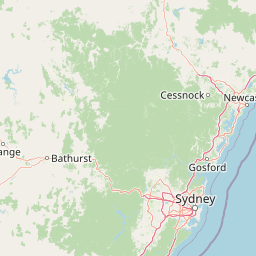
Map view of Werakata National Park

Use this park location map to pinpoint Werakata National Park in Australia, understand its exact geographic position, and read its mapped placement within the surrounding landscape more clearly.

Pigeon | © OpenStreetMap contributors

Location context for Werakata National Park

New South Wales
Park atlas

Compare protected areas across the Lower Hunter Region of New South Wales, expanding your exploration beyond Werakata National Park's eucalypt woodlands.

Discover Other National Parks and Protected Areas Near Werakata National Park
After reviewing Werakata National Park, discover other national parks and protected areas across the Lower Hunter Region of New South Wales, understanding the full geographic spread of eucalypt forests. Compare adjacent conservation landscapes, trace distinct woodland ecosystems, and expand your exploration of protected habitats contributing to regional biodiversity.
National parkAustralia

Belford National Park: Strict Nature Reserve and Endangered Forest Landscape in Australia

Mapped boundaries and ecological context for a vital protected area.

Belford National Park, located in Australia's Hunter Valley, functions as a strict nature reserve focused on preserving the endangered Central Hunter Ironbark-Spotted Gum-Grey Box Forest. This protected area, though modest in size, is crucial for safeguarding vulnerable wildlife species and maintaining a significant example of a rare ecological community. Its clearly defined mapped boundaries highlight its role as a dedicated conservation landscape, offering essential habitat and serving as a reference point for the region's natural geography and biodiversity.

Area
2.88 km²
Established
2003
IUCN
Ia
National parkNew South Wales

Wyrrabalong National Park National Park: Protected Littoral Rainforest and Coastal Geography

Explore mapped terrain and vital bird habitats in New South Wales.

Wyrrabalong National Park on New South Wales' Central Coast is an essential protected landscape, noted for safeguarding the last significant coastal littoral rainforest of its kind. This park entry details the mapped geography across its peninsula, island, and beachfront sections, revealing a compact yet ecologically rich environment. It highlights the park's importance as part of an Important Bird Area, supporting significant waterbird and woodland bird populations within its protected boundaries, offering a unique glimpse into a vanishing coastal ecosystem.

Area
6.2 km²
Established
1991
IUCN
II
National parkNew South Wales

Yengo National Park: Protected Landscape Identity and Geographic Context

Explore its mapped terrain and wilderness character.

Yengo National Park in New South Wales, Australia, is a vast protected area known for its remote wilderness character and significant geographical landmarks such as Mount Yengo. As a vital part of the Greater Blue Mountains World Heritage Site, the park showcases rugged mountainous terrain and diverse natural landscapes. This entry focuses on its atlas-value, detailing the park's mapped boundaries, regional geography, and its identity as a significant protected landscape for nature exploration.

Area
1,543.28 km²
Established
1988
IUCN
Ib
National parkNew South Wales

Brisbane Water National Park: A Protected Landscape in New South Wales' Sydney Basin Bioregion

Explore mapped terrain, endangered ecosystems, and coastal waterway geography.

Brisbane Water National Park, located in New South Wales, Australia, is a vital protected area safeguarding critical ecosystems within the Sydney Basin bioregion. This national park features a diverse landscape encompassing rugged escarpments, fertile valleys, and important coastal waterways. Its protected status makes it a crucial conservation refuge, offering insights into unique natural terrain and regional geography for those seeking detailed, map-centric exploration.

Area
115.06 km²
Established
1959
IUCN
II
National parkNew South Wales

Bouddi National Park: Coastal National Park with Temperate Rainforest & Marine Atlas

Discover unique sandstone landscapes and protected marine geography in New South Wales.

Bouddi National Park in New South Wales stands out for its rare mix of coastal headlands, ancient temperate rainforests, and a comprehensive marine protected area. Its landscape is defined by dramatic Hawkesbury sandstone geology, featuring spectacular tessellated pavements and laterite plateaus. The park's protected marine zone significantly enhances local biodiversity, making it a key area for understanding coastal and oceanic protected landscapes within the Australian atlas.

Area
15.32 km²
Established
1967
IUCN
II
Relief
Lowland
National parkNew South Wales

Barrington Tops National Park: A Protected National Park in New South Wales

Explore ancient Gondwana rainforests and dramatic volcanic terrain.

Barrington Tops National Park represents a significant protected landscape in New South Wales, Australia, offering a deep dive into diverse ecosystems. Its unique altitudinal vegetation gradient supports the southernmost subtropical rainforests in Australia and showcases geological formations dating back millions of years. This park is crucial for understanding Australia's natural heritage, providing a rich context for landscape exploration and the study of ancient flora within a mapped geographic setting.

Area
765.12 km²
Established
1969
IUCN
Ib
National parkAustralia

Cattai National Park: Australia's Premier Colonial Heritage Protected Landscape

Mapped riverfront geography and historical Australian park context.

Cattai National Park represents a vital entry in Australia's atlas of protected areas, offering unparalleled insight into the nation's early colonial history alongside its natural riverine landscapes. The park's designation as a national park highlights its importance in preserving not only the unique geography of the Hawkesbury River floodplain but also significant historical sites like the Hope Farm Mill, Australia's oldest industrial site. Exploring Cattai National Park allows for a deep dive into mapped protected boundaries and the layered cultural and natural terrain of the Sydney region.

Area
4.24 km²
Established
1992
IUCN
II
National parkNew South Wales

Sydney Harbour National Park: A Distinctive Coastal Protected Landscape in New South Wales

Explore its mapped geography and unique heritage sites.

Sydney Harbour National Park represents an extraordinary protected area in New South Wales, Australia, celebrated for its integration of natural coastal terrain with significant historical sites. This national park offers a unique opportunity for atlas-based exploration of its mapped boundaries, dramatic sandstone headlands, and sheltered harbour locations. Discover the distinctive blend of natural landscape and heritage fortifications that define this metropolitan park, providing a rich geographic context for understanding urban protected areas.

Area
3.92 km²
Established
1975
IUCN
II

Common questions about visiting, size, designation, and location context for Werakata National Park

Werakata National Park FAQs for park facts, access, geography, and protected area context
Find quick answers about Werakata National Park, including protected-area facts, park geography, trail and visitor context, and how the park fits into its surrounding country and regional landscape.
MoriAtlas Explorer

Continue Your Protected Areas Search Across the Global Atlas

Deepen your exploration by continuing the structured search for national parks and protected areas worldwide. Utilize the comprehensive filtering capabilities to compare different conservation landscapes and refine your understanding of global park geography. Discover more about the distribution and characteristics of protected natural areas.

Global natural geography