Why Al-Tubayq Natural Reserve stands out
Al-Tubayq Natural Reserve is best known for its dramatic rugged terrain of dark rocks and its populations of Nubian Ibex, a distinctive goat-antelope species adapted to cliff environments. The reserve represents one of the more significant protected areas in Saudi Arabia's northwestern desert region, providing habitat for a diverse assemblage of mammalian and avian species including gazelles, wolves, foxes, and birds of prey such as eagles and falcons.
Al-Tubayq Natural Reserve history and protected-area timeline
Al-Tubayq Natural Reserve was designated as a protected natural reserve in 1989, joining Saudi Arabia's growing network of protected areas managed by the Saudi Wildlife Authority. The establishment of the reserve reflected broader conservation efforts in the Kingdom during the late twentieth century, aimed at preserving unique ecological zones and protecting wildlife populations from habitat degradation and overexploitation. The reserve's designation acknowledged the ecological significance of the northwestern desert region, particularly its populations of Nubian Ibex and other wildlife species. Management by the Saudi Wildlife Authority has ensured ongoing protection and monitoring of the reserve's natural resources.
Al-Tubayq Natural Reserve landscape and geographic character
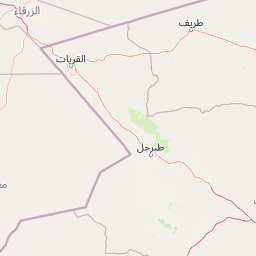
The landscape of Al-Tubayq Natural Reserve is defined by its dark, rugged rock formations that create a dramatic and distinctive terrain across the protected area. The rocky character of the reserve contrasts with the more typical sand-dominated deserts found in other parts of Saudi Arabia, providing visitors and researchers with a sense of exposed geological history and mineral-rich terrain. The reserve's position in the northwest, bordering Jordan, places it within a transitional zone between the Arabian Peninsula and the neighboring Levantine region, though the landscape remains distinctly arid and desert-like. These rocky outcrops and rugged terrain provide essential habitat for species like the Nubian Ibex, which navigate the steep and rocky slopes with remarkable agility.
Al-Tubayq Natural Reserve ecosystems, habitats, and plant life
Al-Tubayq Natural Reserve supports a range of habitats suited to its arid rocky environment, providing refuge for wildlife species adapted to desert conditions. The reserve's ecosystem demonstrates the resilience of Arabian wildlife, with species relying on the limited vegetation and rocky shelter provided by this harsh landscape. The dark rock formations create microhabitats that offer shade and protection from the intense desert sun, supporting both mammalian and avian species. This ecological character represents an important example of desert mountain biodiversity within the Arabian Peninsula, where specialized species have evolved to thrive in conditions that would be inhospitable to many other animals.
Al-Tubayq Natural Reserve wildlife and species highlights
The wildlife of Al-Tubayq Natural Reserve includes several notable mammalian species, most prominently the Nubian Ibex, a striking goat-antelope species recognized for its impressive curved horns and adaptability to cliff environments. The reserve also supports populations of various gazelle species, which move across the terrain in search of sparse vegetation. Predators present in the reserve include wolves, while smaller mammals such as foxes and hares contribute to the ecological diversity. The avian population includes birds of prey such as falcons and eagles, along with ground-dwelling species like partridges. This assemblage of wildlife reflects the reserve's role as a functioning ecosystem within Saudi Arabia's desert environment.
Al-Tubayq Natural Reserve conservation status and protection priorities
Al-Tubayq Natural Reserve represents an important conservation asset for Saudi Arabia, protecting a distinctive desert landscape and the wildlife populations it supports. The reserve's designation in 1989 established formal protection for the region's biodiversity, including species of conservation concern such as the Nubian Ibex. Management by the Saudi Wildlife Authority ensures ongoing monitoring and protection of the reserve's natural resources, though challenges inherent to desert conservation, including water scarcity and habitat vulnerability, require sustained management attention. The reserve contributes to Saudi Arabia's commitments to biodiversity preservation within the framework of protected areas spanning the Kingdom's varied ecological zones.
Al-Tubayq Natural Reserve cultural meaning and human context
Al-Tubayq Natural Reserve occupies a region with historical significance within the Arabian Peninsula, though the reserve's primary value is centered on its natural rather than cultural heritage. The area's position along the border with Jordan places it within a zone of historical interaction between the Arabian Peninsula and the Levant, though the reserve itself does not contain prominently documented archaeological sites. The reserve's establishment reflects modern Saudi conservation values, representing the Kingdom's efforts to balance development with environmental protection and to preserve natural landscapes that embody the country's ecological diversity.
Top sights and standout views in Al-Tubayq Natural Reserve
Al-Tubayq Natural Reserve stands out for its dark, rugged rocky terrain that creates a visually striking desert landscape unlike the sand-dominated deserts found elsewhere in the region. The reserve protects significant populations of Nubian Ibex, an iconic species of the region's mountainous and rocky environments. Its location in northwestern Saudi Arabia, bordering Jordan, positions it as an important ecological corridor within the broader conservation network of the Arabian Peninsula. The combination of rocky terrain, wildlife populations, and the reserve's substantial size make it a notable protected area within the Kingdom's conservation estate.
Best time to visit Al-Tubayq Natural Reserve
The optimal time to visit Al-Tubayq Natural Reserve would typically be during the cooler months of late autumn through early spring, when temperatures in the desert environment are more moderate and comfortable for outdoor exploration. Summer months bring extreme heat that would make extended outdoor activities challenging. Visitors interested in wildlife observation may find different seasons offering varying opportunities to observe resident species, though the reserve's remote location and limited visitor infrastructure mean that planning should account for the arid conditions and the need for self-sufficiency during any visit.