Why Amana Nature Reserve stands out
Amana Nature Reserve is best known for its extraordinary leatherback sea turtle nesting population, which represents one of the largest and most significant nesting sites globally for this vulnerable species. The reserve's beaches provide critical habitat for thousands of nesting turtles annually, with nesting activity concentrated between March and July when females return to deposit 80 to 90 eggs in nests dug between the high-water mark and vegetation. The reserve also supports additional turtle species including green sea turtles, olive ridley turtles, and occasionally hawksbill turtles. Its designation as an Important Bird Area further distinguishes it as a haven for migratory waders and waterbirds along the Atlantic flyway.
Amana Nature Reserve history and protected-area timeline
Amana Nature Reserve was officially established on March 13, 1998, representing a culmination of conservation efforts to protect the significant leatherback turtle nesting populations that had been documented along this stretch of the French Guiana coast. Prior to formal protection, the area had been recognized by researchers as one of the most important nesting sites in the world for leatherback turtles, with documented nesting activity spanning decades.
The establishment of the reserve coincided with broader regional conservation initiatives in French Guiana and neighboring Suriname, where similar protections were being implemented for shared marine turtle populations. Notably, the nearby Wia Wia Nature Reserve in Suriname had previously served as an alternative nesting beach for leatherback turtles before beach dynamics shifted and the turtles abandoned that site, further emphasizing the critical importance of the Amana coastline.
Since its creation, the reserve has been managed by the Regional Natural Park of French Guiana, which coordinates research activities, monitoring programs, and protection efforts. The long-term nesting data spanning from 1967 to 2005, which recorded between 5,029 and 63,294 nests annually, provides an invaluable baseline for understanding population trends and implementing effective conservation measures.
Amana Nature Reserve landscape and geographic character
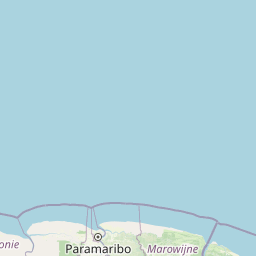
The physical landscape of Amana Nature Reserve is characterized by its linear coastal configuration stretching along the Atlantic Ocean, forming a transition zone between the marine environment and the inland territories of the Guiana Shield. The reserve encompasses a relatively flat coastal plain with elevation rarely exceeding a few meters above sea level, typical of the low-lying Caribbean and Atlantic coastal zones of northern South America.
The beach environments constitute the most visually prominent landscape feature, consisting of sandy shores that serve as the primary nesting substrate for leatherback turtles. These beaches transition gradually into mangrove forests in the intertidal zones, where tidal influence creates complex hydrological patterns. The mangrove systems represent a distinctive coastal landscape, with their characteristic root systems and tidal flooding creating unique visual and ecological environments.
Inland from the coastal fringe, the reserve includes freshwater swamps and tropical savannas that reflect the broader regional patterns of the Guiana Shield. The savanna areas, characterized by grasslands with scattered trees and shrubs, contrast with the denser forest formations found in adjacent regions. The Maroni River and Organobo River provide additional landscape diversity, with their associated riparian corridors and floodplain environments.
Amana Nature Reserve ecosystems, habitats, and plant life
The ecological character of Amana Nature Reserve is defined by the interplay between coastal marine ecosystems and tropical terrestrial habitats, creating a rich mosaic of biodiversity. The mangrove forests represent one of the most ecologically productive environments within the reserve, serving as nurseries for fish and crustaceans while also providing critical habitat for coastal bird species. These salt-tolerant forest formations thrive in the intertidal zones where freshwater from inland areas mixes with saltwater tides.
The savanna ecosystems within the reserve contribute to the overall habitat diversity, offering distinct environmental conditions that support different species assemblages compared to the forested and wetland areas. These open grassland environments, characterized by seasonal moisture fluctuations, host specialized flora and fauna adapted to the periodic flooding and dry conditions.
The marine coastal environment itself, while not technically part of the protected terrestrial area, forms an integral part of the reserve's ecological function, as it provides the foraging grounds for sea turtles and the critical nesting beaches upon which their reproduction depends. The waterbirds that have earned the reserve its Important Bird Area designation rely on both the coastal and inland wetland habitats for feeding and resting during migration.
Amana Nature Reserve wildlife and species highlights
Amana Nature Reserve's wildlife significance centers primarily on its extraordinary leatherback sea turtle population, which represents one of the largest nesting aggregations of this vulnerable species anywhere in the world. Leatherback turtles return to the same beaches with remarkable fidelity, typically nesting on this coast every two to three years. Each female deposits approximately 80 to 90 eggs per nest, with the eggs incubating in the sand for roughly two months before hatchlings emerge and make their way to the sea.
The reserve supports additional sea turtle species beyond the leatherback, including green sea turtles and olive ridley turtles, which also utilize the beaches for nesting purposes. Hawksbill turtles, though less common, are occasionally recorded nesting at the site as well. This diversity of cheloniid species alongside the leatherback population demonstrates the exceptional value of this coastline for marine turtle conservation.
The birdlife at Amana is equally remarkable, with 319 species documented within the reserve boundaries. The designation as an Important Bird Area reflects the site's importance for migratory waders and waterbirds that use the coastal wetlands as staging areas during their seasonal migrations along the Atlantic flyway. These include numerous species that breed in North America and winter in South America, relying on the reserve's habitats for rest and refueling during their extraordinary journeys.
Amana Nature Reserve conservation status and protection priorities
Amana Nature Reserve represents a critical stronghold in global efforts to conserve leatherback sea turtles, a species classified as vulnerable due to significant population declines driven by bycatch in fishing operations, egg harvesting, coastal development, and climate change impacts on nesting beaches. The reserve's protected status ensures that the nesting beaches remain free from development pressures that have eliminated or degraded turtle nesting habitat in many other parts of the world.
The designation as an Important Bird Area by BirdLife International further underscores the reserve's conservation importance beyond just marine turtles. The protection of coastal wetlands and the management of human disturbance during sensitive nesting and migratory periods provides essential habitat conservation for bird populations that depend on these coastal ecosystems. The long-term monitoring data on turtle nesting, spanning several decades, provides an invaluable scientific resource for understanding population dynamics and evaluating the effectiveness of conservation measures.
The reserve's management under the Regional Natural Park of French Guiana ensures coordination with broader regional conservation strategies and integrates the site into France's national protected area network. The international significance of the site also creates opportunities for transboundary cooperation with Suriname, where similar protections exist for shared marine turtle populations.
Amana Nature Reserve cultural meaning and human context
Amana Nature Reserve is situated within the territory of the commune of Awala-Yalimapo, a region with a complex cultural history shaped by indigenous peoples, colonial settlement, and more recent demographic patterns. The name Amana itself reflects the French Guianese context, though the broader region includes territories traditionally associated with various indigenous groups.
The coastal location has historically supported fishing communities whose activities have intersected with the reserve's marine environments. The relationship between local communities and the turtle nesting beaches predates the formal establishment of the reserve, with traditional practices and knowledge potentially contributing to the long-term conservation of these sites. The balance between conservation objectives and the sustainable use of natural resources by local populations remains a consideration in the reserve's management.
French Guiana's position as an overseas department of France creates a unique administrative context for the reserve, with European Union environmental regulations and French national conservation frameworks applying to the protected area. This administrative structure influences management approaches and funding mechanisms for conservation activities within the reserve.
Top sights and standout views in Amana Nature Reserve
The unparalleled leatherback sea turtle nesting spectacle represents the reserve's most compelling highlight, with thousands of females emerging from the Atlantic each year between March and July to excavate nests and deposit their eggs on the same beaches their species has used for generations. The sight of massive leatherback turtles ascending the beach under cover of darkness, witnessed during organized turtle-watching excursions when properly permitted, offers one of the most memorable wildlife encounters available in the Guianas. The reserve's Important Bird Area status provides an additional highlight for ornithologists and birdwatchers, with the promise of observing significant populations of migratory waders and waterbirds in a relatively accessible coastal setting. The mangrove forests and coastal landscapes offer additional recreational and educational opportunities for visitors interested in understanding the complex ecological relationships between marine, coastal, and terrestrial systems.
Best time to visit Amana Nature Reserve
The optimal time to visit Amana Nature Reserve coincides with the leatherback sea turtle nesting season, which occurs annually between March and July. During this period, the beaches come alive with nesting activity as female turtles emerge from the ocean to deposit their eggs. The peak nesting period typically falls in April and May, offering the highest likelihood of observing turtles. Visitors interested in witnessing this remarkable natural spectacle should plan their trip during these months while respecting all guidelines designed to minimize disturbance to the nesting turtles.
The post-nesting period from August through February represents a different character for the reserve, with fewer wildlife spectacles but the opportunity to explore the mangrove forests, savannas, and coastal environments without the focused turtle season crowds. Birdwatching opportunities remain year-round, though the presence of migratory species varies seasonally. The tropical climate of French Guiana means that rainfall is possible throughout the year, with the wet season generally running from December through July, potentially affecting access to some areas of the reserve.