
Trip Timing
Best time to visit Banff National Park: the short answer
Determining the best time to visit Banff National Park requires reconciling the distinct requirements of high-alpine summer recreation with the colder, snow-dominated conditions of a long winter season. There is no single universal window for a visit, as the timing that provides optimal access to mountain trails often conflicts with the conditions necessary for world-class skiing. Your choice should balance your primary objectives, such as glacier-fed lake viewing, extensive hiking, or winter sports, against the park's characteristic shift between deep cold and temperate, high-daylight months.
Seasonal Accessibility and Environmental Factors
The park's climate is dictated by high elevation and a latitude that results in dramatic fluctuations in daylight and temperature throughout the year. Winter, typically extending well beyond the calendar months, brings persistent, widespread snow at all elevations. During this period, the park experiences significantly reduced daylight, with December and January offering the fewest hours for outdoor pursuits. The cold is a dominant factor, as winter temperatures frequently drop well below freezing, requiring specialized gear and a focus on winter-specific infrastructure like groomed ski runs and maintained access corridors.
In contrast, the summer period provides a surge in both daylight and accessibility. From late June through August, temperatures at the 2,000-meter elevation range become milder, facilitating access to higher-altitude trails that remain impassable or hazardous during the long shoulder seasons. The interaction between temperature and elevation is critical to understanding the park, as the cooling effect at higher altitudes means that snow often lingers on peaks and high-alpine passes long after the valley floors have warmed. Planning your visit requires checking which elevations are necessary for your intended activities, as the transition periods in May and October often feature unpredictable weather that can shift from clear and pleasant to sub-zero within a single day.
Balancing Priorities for Your Visit
Visitors generally gravitate toward two main timing blocks based on their activity preferences. Those focused on the iconic turquoise lakes and alpine scenery find the peak summer months most supportive of their goals, as the warmer temperatures allow for full exploration of the Icefields Parkway and high-country hiking trails. Conversely, those prioritizing skiing or winter wilderness experiences should target the months when reliable snow cover is at its peak and the infrastructure for winter recreation is in full operation. Rather than seeking a period that is perfect for every activity, focus on whether your priorities require the maximum snow-free trail access or the deep-winter conditions favored for alpine sport. Understanding this fundamental seasonal divide is the first step in aligning your travel dates with the experiences most important to your stay.
Seasonal Planning
Best months to visit Banff National Park by activity and conditions
Summer Alpine Access: July and August
For travellers whose primary objective is high-alpine hiking, glacier viewing, or driving the full length of the Icefields Parkway, the peak summer months of July and August represent the most reliable window. Climate normals indicate this is the warmest period of the year, with average daily maximums reaching above 20 degrees Celsius. These months offer the longest daylight hours, frequently exceeding 15 hours per day, which provides extended opportunities for exploration before the onset of dusk. The trade-off for these favorable conditions is a concentration of visitor activity, as the combination of snow-free trails at lower elevations and access to alpine pass routes makes this the most sought-after timeframe.
The Shoulder Transition: June and September
Visiting in June or September requires managing the realities of rapid mountain weather shifts. June typically sees the tail end of the spring melt and higher precipitation levels as the park moves toward peak summer warmth. Conversely, September often brings a return to cooler temperatures and the early potential for frost or light snowfall at higher elevations. These months are often chosen by those who prioritize relative solitude over the guarantee of maximum trail access. While the weather is less predictable than in mid-summer, these periods offer a distinct experience for those interested in autumnal foliage or the transition of the park's wildlife activity. Travelers during these months must be prepared for rapidly changing conditions, as temperature variations between day and night remain significant.
Winter Sports and Snow Reliability: December to March
For those focused on skiing, snowboarding, and winter recreation, the period from December through March provides the most consistent snow conditions. January and December are the coldest months on record, with average daily minimums dropping near minus 30 degrees Celsius at higher elevations. Visitors choosing this timeframe should prioritize preparation for extreme cold and shorter daylight hours, which dip below eight hours in the peak of winter. While the severe temperatures demand specific gear and careful planning, this season offers the most reliable access to the park's managed ski resorts. It is a time for those who accept the intense cold in exchange for the park's winter-specific landscape and the opportunity to engage in high-altitude snow sports.
Spring and Late Autumn Dynamics: April, May, October, and November
These transition months often feature substantial differences between valley-level conditions and mountain-top environments. April and May involve a slow, steady increase in temperature and daylight, but trails at higher elevations usually remain snowbound. October and November see a steady descent into winter, with significant temperature drops and the return of consistent frost. These periods are best suited for those focusing on valley-bottom activities or cultural sites near the town of Banff, rather than deep-wilderness trekking, as the climatic variance makes higher-altitude planning inherently difficult.
Annual Climate Overview
Monthly Temperature and Weather Trends in Banff National Park
Understanding Climate Trends Across the Year
The climate in Banff National Park is defined by significant fluctuations that mirror its high-alpine geography. While these long-term climate normals, based on data collected between 1991 and 2020 at an elevation of approximately 2,100 meters, provide a reliable baseline, they do not serve as a daily forecast. Travelers should expect localized conditions to vary significantly based on specific elevation, mountain aspect, and current weather patterns, which can shift rapidly regardless of the month.
The Deep Freeze and Mid-Winter Stability
The coldest phase of the year spans from December through February. During this period, the park experiences its most stable, albeit harsh, cold-weather patterns. January is statistically the coldest month with average daily minimums dropping to approximately -30.3 degrees Celsius and mean temperatures near -13.75 degrees Celsius. Humidity remains high throughout these months, often hovering around 95 percent, which can make the air feel particularly biting to those unprepared for the cold. Daylight is at its minimum in December, with roughly 7.68 hours, limiting the daily window for outdoor activity to the mid-day hours when temperatures are at their highest.
Spring Transitions and Daylight Expansion
March and April serve as a long transitional period where daylight increases dramatically, climbing from 11.6 hours in March to over 13.6 hours by the end of April. While maximum temperatures begin to nudge above freezing, often reaching nearly 3 degrees Celsius in April, the nights remain consistently frigid with average minimums staying well below zero. Humidity levels stay relatively high during this time, reflecting the lingering presence of snowpack. Travelers during these months should anticipate highly variable conditions where intense solar radiation during the day contrasts sharply with freezing nighttime temperatures.
The Peak Summer Window
Summer in the park is relatively short but intense. June, July, and August represent the warmest months, with July peaking at an average maximum of 21.26 degrees Celsius. This is also the period with the highest daylight exposure, reaching 16.32 hours in June. Precipitation patterns are distinct during this season; June is typically the wettest month of the year with approximately 3.74 millimeters of precipitation per day, often manifesting as localized summer showers or thunderstorms. By August, the average precipitation decreases to 2.26 millimeters, often leading to drier, more stable conditions for alpine exploration. Humidity levels are at their lowest during mid-summer, dipping toward 75 percent, which often results in a more comfortable experience during peak daylight hours.
Autumnal Cooling and Early Winter Onset
As September arrives, the daylight hours begin to recede, dropping back to 12.34 hours, and the average mean temperature begins a steady decline to 4.29 degrees Celsius. This transition is usually rapid, as October marks a significant shift with average minimums dropping toward -17.22 degrees Celsius and average maximums falling to roughly 10.5 degrees Celsius. By November, the climate returns to a winter-dominant state, with humidity levels rising back above 95 percent and daylight dropping below 9 hours, signaling the end of the accessible shoulder season and the return of consistent, sub-zero conditions.
Seasonal dynamics
Seasonal weather patterns and climate transitions in Banff National Park
Defining the Alpine Climatic Rhythm
Banff National Park does not conform to a standard four-season calendar. The environment is dominated by high-altitude factors and significant variations in daylight, which effectively divide the year into three primary climatic phases: a long, intense winter season, a short but intense summer peak, and brief, highly variable shoulder periods. Understanding these transitions is essential, as the park climate is defined more by its vertical relief than by a linear progression of spring or autumn.
The Extended Winter Phase (November to April)
Winter in the park is the longest and most consistent phase. Commencing in November, as temperatures consistently drop well below freezing, this period is characterized by high relative humidity and significant snow accumulation at all elevations. By January, average daily highs remain firmly below zero, and the landscape enters a deep freeze that persists through much of March. This phase is defined by its stability in extreme cold, rather than temperature fluctuations. Visitors should expect winter-like conditions to persist through April, where the transition toward spring is slow and marked by a gradual increase in daylight hours rather than an immediate warming trend. The environment during this phase is uniform, with snow cover present from the valley floor to the highest peaks, creating a consistent but challenging travel context.
The Short-Duration Summer Window (July to August)
Summer in the Rockies is defined by a rapid transition from late spring into the warmest months of the year. July and August stand apart as the only period where average temperatures are reliably positive and snow is largely absent from the valley highways. This phase is characterized by a high diurnal temperature range, where bright, warm days give way to cool nights. July is the peak of this warmth, with the highest average daily maximums and the longest daylight hours. While this window offers the most accessible weather for mountain travel, it is defined by its brevity. By the end of August, the onset of cooler nights serves as a reliable indicator that the short, intense summer phase is concluding.
Transitional Shoulders: June and September
The periods surrounding the summer peak are not true seasons but are instead highly transitional windows. June is a month of rapid environmental change, where daylight hours reach their annual maximum, yet low-temperature averages remain near the freezing point. This is the wettest time of the year, as rising temperatures melt high-elevation snowpack, often leading to unpredictable trail conditions. September serves as the autumn bridge, where daylight begins to wane rapidly and the risk of early-season snowfall increases. Unlike the stability of mid-winter or the warmth of July, these shoulder months are defined by their variability and the constant possibility of weather shifts that can mirror either the preceding or following phase. Visitors during these windows must remain prepared for sudden changes in conditions as the park shifts toward its more predictable extremes.
Seasonal Experiences
Seasonal Shifts and Activities in Banff National Park
Accessing Alpine Landscapes and High Elevation Trails
The accessibility of Banff's high-altitude environments is dictated by the timing of the seasonal melt and the onset of winter snowfall. While the valleys in the Bow River corridor remain reachable throughout the year, the most iconic alpine destinations, such as Moraine Lake and the Sunshine Meadows, are subject to seasonal access windows. Mid-summer, particularly July and August, represents the primary window when these high-elevation trails are typically clear of snow, offering the conditions necessary for hiking and photography. By late September, early winter weather patterns often return to the high alpine, meaning that travel to these areas is inherently conditional and depends on the specific year's environmental shifts.
Transitioning Between Ice-Based and Flowing Water Experiences
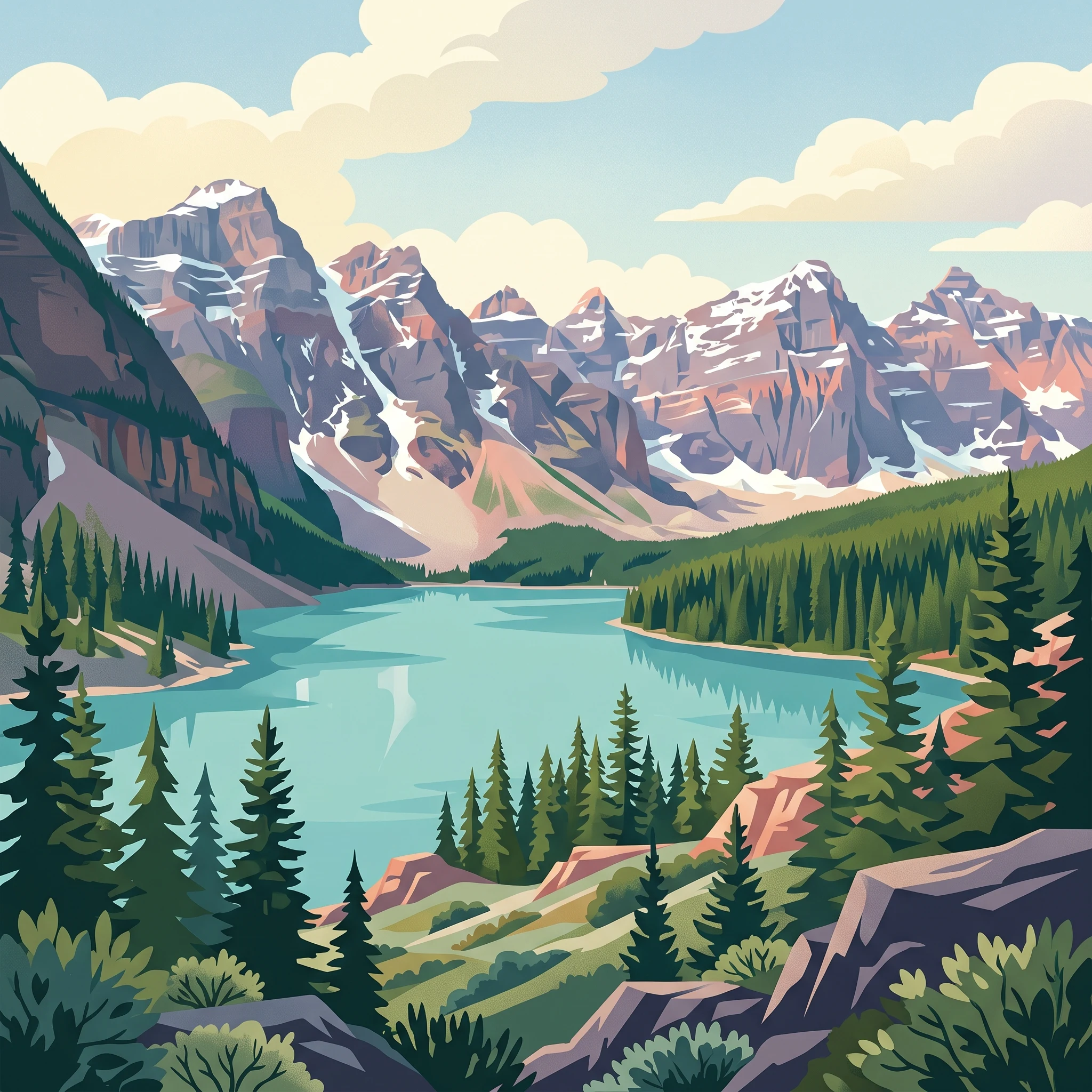
Banff's water features undergo significant changes that define the visitor experience across the year. During the warmer months, the glacial rock flour in lakes like Moraine and Lake Louise produces their signature turquoise hue, a phenomenon that reaches its peak visibility in mid-summer. These lakes are also the primary locations for seasonal activities like kayaking, which are restricted to the period when the water is liquid and dock systems are operational. In contrast, the winter season shifts the focus to solidified water landscapes, such as the Johnston Canyon ice walks. Walking along the canyon's catwalks to view the frozen waterfalls requires cold-weather gear and, in many cases, traction aids. These experiences are entirely dependent on the depth and stability of the ice, making late winter the most reliable time to observe these frozen features without the interference of the spring melt.
Year-Round Infrastructure and Resort Recreation
Certain managed experiences, such as those at the Banff Gondola, are designed to operate year-round, offering consistent access to elevated panoramic views regardless of the month, provided the weather conditions are safe. These facilities serve as a reliable anchor for trips taken during the shoulder seasons or mid-winter when trail-based recreation is limited by snow depth or trail conditions. Conversely, lift-accessed skiing at resorts like Sunshine Village and Lake Louise is concentrated in the winter months, typically extending from late autumn through mid-spring. These resorts leverage the park's natural geography to provide specialized winter sports, with the duration of the season largely determined by the timing of the first significant snowfalls and the stability of the snowpack into the spring months. Travellers planning a visit around these experiences should verify current resort operations and lift statuses, as these can change based on real-time safety assessments and snow conditions.
Travel Priorities
When to Visit Banff National Park Based on Your Travel Priorities
Balancing Daylight and Temperature for Extended Exploration
If your primary goal is maximizing outdoor time during a single day, the period between late June and early July offers the longest daylight, reaching over 16 hours. While the average daytime high approaches 21 degrees Celsius in July, the trade-off is the increased likelihood of summer precipitation, which averages 3.74 mm per day in June compared to 2.26 mm in August. Those prioritizing warmer daytime activity must accept that the park is at its busiest, and the high-alpine snowpack often restricts access to many high-elevation trails until early July. If you prefer warmer, more stable weather for longer, drier days, mid-August often presents a more reliable window for sustained alpine hiking, even as daylight hours begin to recede toward the autumn transition.
Prioritizing Clear Views and Drier Mountain Conditions
Visitors seeking to avoid the volatility of mountain rain should focus on late summer. While July provides peak summer conditions, meteorological normals indicate that August experiences lower daily precipitation averages and a slightly higher frequency of clear, stable days at higher elevations. This period is the most advantageous for photographers and sightseers aiming for unobstructed views of glacial lakes like Moraine or Lake Louise. The compromise here is the significant temperature drop once the sun sets, as nighttime lows in August frequently hover near freezing. Travelers choosing this time must remain prepared for rapid, localized weather shifts despite the relative stability of the monthly averages.
Selecting Windows for Specialized Winter Recreation
For those traveling specifically for lift-accessed terrain at Sunshine Village, Lake Louise, or Mount Norquay, the best period shifts firmly to the depth of winter. While mid-winter temperatures are consistently the coldest of the year, with mean temperatures often remaining below -13 degrees Celsius, this is exactly what maintains the snow quality required for alpine skiing and snowboarding. Visitors targeting these conditions must trade comfort for reliability, as the extreme cold requires specialized gear and a focus on shorter, high-intensity activity windows. Late March into early April can offer a middle ground, where daylight increases to over 11 hours, providing more time on the slopes while still retaining enough snowpack for spring skiing, though the surface quality will vary significantly compared to the deep-winter base.
Comparing Transitions for Mild Activity
Travelers seeking mild, non-extreme weather often look toward the shoulder seasons, specifically early June or mid-September. June offers the benefit of long daylight and lush, green landscapes as the winter snow retreats, but many high-altitude paths may still be muddy or obstructed by remaining snow. Conversely, September provides a quieter, cooler atmosphere with lower precipitation and the arrival of autumn colours, yet daylight is significantly shorter, dropping to roughly 12 hours. Choosing these periods requires balancing the desire for moderate temperatures against the reality of potential early-season snow in September or late-season mud in June.
Access and Operations
Seasonal Road Access and Planning Considerations for Banff National Park
Navigating Seasonal Access Patterns
Access to the diverse terrain of the park is heavily influenced by mountain climate and elevation. While core transportation routes through the Bow Valley remain open year-round to facilitate travel between towns, secondary mountain roads and access points for high-altitude destinations are subject to significant seasonal shifts. These routes often align with the transition periods identified earlier in this guide, where snow accumulation or melting cycles dictate the timing of annual openings and closures. You should never assume a specific route is open based solely on calendar dates or climate averages. Because alpine road status depends on snow safety, avalanche risk management, and seasonal maintenance schedules, always consult official Parks Canada bulletins before finalizing your itinerary.
Travel Logistics and Vehicle Restrictions
Planning a visit involves more than just checking weather trends. Certain high-demand locations, such as Moraine Lake, have implemented strict limitations on private vehicle access. In these areas, reliance on public or commercial transport is mandatory during the operating season. Transport options, including regional shuttles and express routes, operate on schedules that reflect peak visitor demand rather than fixed annual dates. Reservation requirements for these services can change from year to year, and lead times for booking transport or park entry permits vary significantly. It is essential to verify current transport schedules and permit requirements directly through the official park portal before your arrival.
Utilizing Information Services
Visitor centres in the town of Banff and the village of Lake Louise serve as the most reliable hubs for real-time information regarding park conditions, trail closures, and facility availability. These centres operate on varying schedules throughout the year to accommodate fluctuations in visitor volume. While historical records might indicate typical service windows, you must verify the daily operating hours for these facilities before visiting to ensure you can receive updated information on road status or park alerts upon arrival. These centres remain the primary source for confirming whether specific attractions, such as seasonal viewpoints or backcountry access points, are currently accessible or restricted due to environmental factors or maintenance activities.
Safety and Preparation
Weather-Related Safety and Seasonal Gear for Banff National Park
Adapting Gear for Extreme Temperature Shifts
Preparation for a visit to the Canadian Rockies requires adjusting your approach to account for significant temperature volatility, regardless of the time of year. While daytime highs in July can exceed 21 degrees Celsius, nightly lows often hover near freezing. This rapid cooling after sunset means that even summer visitors must carry extra insulating layers for evening outings. In the deeper winter months, where mean temperatures sit well below minus 10 degrees Celsius and average nightly lows drop below minus 30 degrees, the gear requirement shifts toward heavy-duty, high-loft insulation and technical fabrics designed to manage moisture while retaining body heat. Relying on seasonal averages is insufficient for planning, as daily shifts are common. Always review short-term forecasts for the specific valley or mountain range you intend to visit before heading out.
Managing Exposure and Daylight Constraints
Daylight is a critical variable that dictates your daily schedule and personal safety margins. The park experiences a dramatic reduction in available light from the peak of 16.3 hours in June to under 8 hours in December. Short winter days restrict the window for safe outdoor activity, as terrain becomes difficult to navigate once visibility fades. Planning activities to conclude well before sunset is essential to avoid being caught in the dark, where temperatures plummet and navigation becomes hazardous. During transitional months, such as April or October, shorter days combine with higher probability of ice on trails or roads, requiring a flexible schedule that allows for early returns if conditions change. Because daylight duration and weather intensity are not uniform across the park, you must check local sunrise and sunset times to build realistic trip itineraries.
Environmental Awareness and Wildlife Interactions
Safety in a high-alpine protected area requires more than just weather-appropriate clothing. Wildlife presence is a constant factor in the Rockies, and your preparation must include understanding how to behave in bear or elk country. Elk, particularly during the calving season in May and June and the mating rut from September to November, can exhibit aggressive behavior. Maintain the recommended distance of at least 30 meters from elk and 100 meters from bears, cougars, or wolves. Rather than assuming a trail is clear, treat all backcountry areas as active wildlife habitats. This includes carrying bear-deterrent tools and knowing how to use them, staying in groups when hiking, and never leaving food or attractants unattended. Consult current Parks Canada bulletins for active alerts, such as temporary trail closures or bear warnings, which are updated regularly to reflect real-time wildlife movement and environmental conditions.
Decision Framework
Choosing the Optimal Window for Your Banff National Park Visit
Determining the ideal period for your visit requires reconciling the park's distinct environmental limitations with your personal interest in mountain recreation. The decision hinges on whether your priority is alpine exploration on foot, which is constrained by high-altitude snow and limited trail accessibility, or winter snow sports, which depend on the heavy, consistent cold and winter precipitation characteristic of the region. There is no single universal window, as the experience shifts fundamentally between the peak summer warmth and the deep winter freeze.
If you prioritize extensive hiking or high-altitude scenic access, the late summer window during August is the most reliable period for clearer trails and improved alpine visibility. While June and July offer the longest daylight hours and vibrant, alpine-fed water features, these months often come with higher precipitation and the lingering reality of snow at higher elevations. Those looking for solitude and the specific aesthetic of a frozen mountain landscape should lean toward the late fall or early winter. Conversely, if your goal is reliable skiing or snowboarding, the mid-winter months provide the necessary temperature stability for snow maintenance, though you must accept drastically shorter daylight hours and sub-zero averages that require rigorous cold-weather preparation.
Ultimately, your choice should be based on your comfort with these environmental trade-offs. Summer visitors must be prepared for dynamic weather that can include sudden temperature drops, while winter visitors must respect the limitations imposed by extreme cold and reduced daylight. Because these patterns represent climate normals rather than daily forecasts, they serve as a foundation for planning rather than a guarantee of conditions. Before finalizing your travel dates, always consult official park sources for current road access, shuttle schedules, facility closures, and weather alerts. Relying on current, verified information ensures that your itinerary remains safe and feasible, allowing you to adapt to the reality of the mountain environment at the time of your arrival.