Why Basse Vallée de l'Ouémé Biosphere Reserve stands out
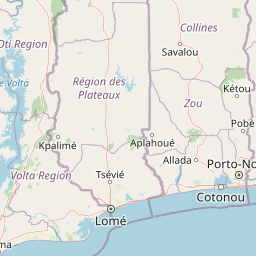
The reserve is best known for being a critical coastal wetland mosaic that lies between two major African biodiversity regions, the Guineo-Congolian forest zone and lower Ouémé floodplain ecosystems. Its mosaic includes mangroves, gallery forests, marshes, and seasonally flooded grasslands that support rich aquatic and avian biodiversity. It is also widely recognized for integrating the Ouémé River, freshwater lakes, coastal lagoons, and the brackish lake city of Ganvié into a single biosphere framework, blending freshwater and marine-influenced habitats in a way that is rare for designated reserves in West Africa.
Basse Vallée de l'Ouémé Biosphere Reserve history and protected-area timeline
The Basse Vallée de l'Ouémé Biosphere Reserve was formally designated by UNESCO in 2020, becoming part of the World Network of Biosphere Reserves. Its establishment followed decades of growing awareness of the Ouémé River delta and lagoon systems as internationally significant wetlands, particularly given the prior recognition of components such as Ganvié and the broader Basse Vallée de l'Ouémé, Lagune de Porto-Novo, and Lac Nokoué wetland complex under the Ramsar Convention on Wetlands.
The reserve's creation reflects a shift in conservation strategy in Benin, moving away from strictly protected enclaves toward integrated management that acknowledges the role of wetlands in sustaining local livelihoods. The biosphere approach was viewed as well suited to the Ouémé valley, where fishing communities, lacustrine settlements, and agricultural users have shaped the landscape for generations.
Basse Vallée de l'Ouémé Biosphere Reserve landscape and geographic character
The reserve's landscape is defined by a sweeping gradient from inland river floodplains to open Atlantic shoreline. The Ouémé River dominates the hydrology of the area, delivering freshwater across a wide floodplain before meeting tidal lagoons near the coast. This freshwater-to-marine gradient creates a chain of contrasting environments: gallery forests along riverbanks, seasonally flooded grasslands, marshes, freshwater lakes, brackish lagoons, and finally mangrove-lined tidal channels near the sea.
The terrain is generally low-lying and flat, shaped by long-term sediment deposition from the Ouémé and coastal processes. Lagoons such as the Lagune de Porto-Novo and Lake Nokoué form large open water bodies within the reserve's footprint, while mangrove forests fringe sections of the tidal interface. The result is a landscape where land and water are constantly intermingled, with channels, ponds, and flood basins forming a navigable, season-sensitive geography rather than dry, continuous terrain.
Basse Vallée de l'Ouémé Biosphere Reserve ecosystems, habitats, and plant life
Ecologically, the biosphere reserve is shaped by the convergence of Guinean and Congolian biodiversity influences, making it a transitional zone of unusual species overlap. Natural vegetation includes remnant gallery forests, patches of lowland forest, mangroves, hydromorphic grasslands, and swampy marsh communities. The combination of permanent freshwater from the Ouémé, calm lagoon systems, and tidal saline inputs supports a structured mosaic of habitats that shift across short distances.
Mangroves are a defining ecological feature along the brackish and tidal reaches, providing nursery habitat for fish and crustaceans, stabilizing coastal sediments, and sheltering a wide range of invertebrates and birdlife. Inland, gallery forests trace theOuémé's tributaries and flood channels, while seasonally flooded grasslands and marshes add an important open-wetland character that supports migratory and resident waterbirds. The diversity of ecological interfaces within a relatively limited area gives the reserve considerable conservation value for West Africa.
Basse Vallée de l'Ouémé Biosphere Reserve wildlife and species highlights
The Basse Vallée de l'Ouémé Biosphere Reserve sustains rich aquatic and avian biodiversity, driven by the productivity of its wetlands. Lagoons, river channels, and flooded grasslands support abundant fish populations that underpin local fisheries, while mangroves provide nursery grounds for shrimp, crabs, and a range of juvenile fish species. The wetlands also serve as feeding and roosting habitat for waterbirds, including herons, egrets, kingfishers, and migratory shorebirds that travel along the West African Atlantic flyway.
The combination of forest patches and wetland margins provides shelter for reptiles, amphibians, and small mammals adapted to seasonally flooded environments. While the reserve does not include wide-ranging terrestrial megafauna typical of inland savanna parks, its biodiversity significance lies in the productivity and connectivity of its aquatic and semi-aquatic ecosystems, which sustain complex food webs and support species of regional conservation interest.
Basse Vallée de l'Ouémé Biosphere Reserve conservation status and protection priorities
The biosphere reserve's conservation value lies in its integrated approach to protecting a heavily populated wetland region rather than fencing off a strict nature reserve. By combining a defined core area with buffer and transition zones, the designation recognizes the need to conserve Ouémé valley ecosystems while accommodating the fishing, transport, and agricultural activities of surrounding communities.
The reserve's mangroves, gallery forests, and floodplain marshes collectively contribute to climate resilience, shoreline stabilization, water purification, and flood regulation, services that are increasingly important along the West African coast. The biosphere status also strengthens international cooperation by linking the Ouémé valley to global frameworks such as the Ramsar wetlands network, supporting coordinated management of waterbirds, fisheries, and habitat connectivity across the region.
Basse Vallée de l'Ouémé Biosphere Reserve cultural meaning and human context
The Ouémé valley has long supported dense human settlements built around its waterways, with fishing, boat transport, and wetland agriculture forming the backbone of local life. The lake city of Ganvié, located on Lake Nokoué, is one of the most culturally distinctive communities in West Africa, with generations of residents adapting to lacustrine living through stilted houses, canoe-based transport, and a fishing-centered economy.
The biosphere reserve's cultural importance is closely entwined with the broader heritage of southern Benin's lagoon communities, including settlement patterns, traditional fishing techniques, and market economies linked to theOuémé floodplain. Recognizing these communities within the reserve's governance framework reflects an understanding that protecting the wetlands is inseparable from sustaining the people whose livelihoods depend on them.
Top sights and standout views in Basse Vallée de l'Ouémé Biosphere Reserve
A UNESCO-recognized biosphere reserve uniting river, lagoon, mangrove, and flooded grassland ecosystems into a single management framework. Positioned at the biotic crossroads of the Guinean and Congolian biodiversity regions, supporting unusual species overlap. Incorporates the iconic lake city of Ganvié and other long-established lagoon communities within its transition zones. Provides critical habitat for waterbirds, fish nurseries, and mangrove-dependent species along Benin's Atlantic coast.
Best time to visit Basse Vallée de l'Ouémé Biosphere Reserve
The Basse Vallée de l'Ouémé Biosphere Reserve experiences a tropical climate shaped by wet and dry seasons rather than temperate seasonal cycles. The dry season tends to offer calmer waters, clearer skies, and easier movement through the lagoon system, making it a favorable period for boat-based exploration of Ganvié, Lake Nokoué, and the Ouémé floodplain.
The wet season brings higher water levels and a more active wetland landscape, with flooded grasslands, expanded marsh habitats, and increased waterbird activity. The exact timing of these phases varies from year to year, and visitors interested in specific ecological or cultural experiences should align their timing with what they most want to observe, from peak birdlife to vibrant fishing markets.