Why Beit Alfa Synagogue National Park stands out
Beit Alfa Synagogue is best known for its extraordinarily well-preserved Byzantine-era mosaic floor, which ranks among the finest examples of synagogue art from late antiquity. The northern panel depicting the Binding of Isaac (Akeidat Yitzhak) shows the biblical scene with Abraham preparing to sacrifice Isaac, the hand of God appearing from above, and the ram caught in the thicket. The central panel features a unique zodiac wheel showing Helios in his chariot surrounded by the twelve zodiac signs, with female personifications of the four seasons in the corners, all labeled in Hebrew. The southern panel displays the Torah Ark adorned with menorahs, lulav, etrog, shofar, and ritual objects, flanked by lions. These mosaics represent a rare visual record of Jewish religious art and iconography from the sixth century.
Beit Alfa Synagogue National Park history and protected-area timeline
The Beth Alpha synagogue was constructed in the sixth century CE, likely during the reign of Byzantine Emperor Justin I between 518 and 527 CE, as indicated by the Aramaic dedicatory inscription. The synagogue remained in use until its eventual abandonment, the precise circumstances of which are not fully documented. The site lay dormant for centuries until its rediscovery in 1928 when kibbutz members installing an irrigation system encountered the mosaic floors. The first systematic excavation took place in 1929 under the direction of Eleazar Sukenik of Hebrew University of Jerusalem, who documented the mosaic scenes and architectural remains. A second phase of excavations occurred in 1962, conducted by the Israel Antiquities Authority, which further explored the surrounding residential structures. The discovery of 36 Byzantine coins in a shallow depression in the floor apse provided additional context for the site's history. The synagogue was subsequently incorporated into Israel's national park system and placed under the management of the Israel Nature and Parks Authority, which maintains the site for public visitation and preservation.
Beit Alfa Synagogue National Park landscape and geographic character
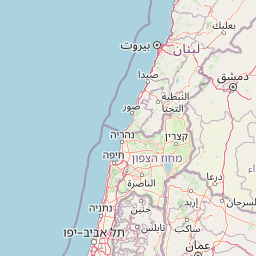
The synagogue sits at the foot of the northern slopes of the Gilboa Mountains, a range that forms a dramatic backdrop to the archaeological site. The surrounding landscape is part of the Jezreel Valley, a fertile agricultural region in northern Israel that has been cultivated for millennia. The modern kibbutz of Beit Alfa, established in the early twentieth century, lies adjacent to the ancient site, creating a striking juxtaposition between the ancient religious structure and contemporary agricultural settlement. The terrain in this region is characterized by gentle slopes descending from the mountain foothills into the valley floor, with the landscape historically supporting both agricultural activity and the Jewish community that constructed the synagogue. The site's position along ancient trade routes and between major population centers contributed to its historical significance.
Beit Alfa Synagogue National Park ecosystems, habitats, and plant life
As an archaeological site within a managed national park, the natural environment at Beit Alfa reflects the semi-natural conditions of the Jezreel Valley region. The park area includes maintained grounds around the exposed synagogue ruins, with vegetation appropriate to the valley's Mediterranean climate. The surrounding agricultural landscape of the valley supports typical Mediterranean woodland and grassland communities in uncultivated areas. The park's primary conservation value lies not in ecological habitats but in the preservation of cultural heritage, with the Israel Nature and Parks Authority maintaining the site in a condition that allows public access while protecting the ancient mosaics and architectural remains.
Beit Alfa Synagogue National Park wildlife and species highlights
The wildlife presence at Beit Alfa Synagogue National Park reflects the typical fauna of the Jezreel Valley and Gilboa Mountain foothills in northern Israel. Small mammals such as rodents and hyraxes may inhabit the surrounding area, while bird species common to agricultural and Mediterranean habitats can be observed in the vicinity. The site itself, being a concentrated archaeological area with limited natural habitat, does not serve as a primary wildlife conservation area. The significance of the park lies in its archaeological and cultural heritage rather than biodiversity or wildlife viewing opportunities.
Beit Alfa Synagogue National Park conservation status and protection priorities
Beit Alfa Synagogue National Park represents an important protected heritage site within Israel's national park system, managed by the Israel Nature and Parks Authority. The preservation of the mosaic floors, which represent some of the finest surviving examples of Byzantine synagogue art, is the primary conservation focus. The mosaics have required careful preservation treatment to maintain their condition following exposure and excavation. The site's designation as a national park ensures ongoing protection and public accessibility. The park contributes to the preservation of Jewish heritage from the Byzantine period, a time when Judaism was transitioning from the rabbinic era following the destruction of the Second Temple. The conservation of this site provides valuable insight into the material culture and religious practice of Jewish communities in late antique Palestine.
Beit Alfa Synagogue National Park cultural meaning and human context
The Beth Alpha synagogue reflects the cultural milieu of Byzantine-period Palestine, a region where Jewish communities maintained their religious traditions while engaging with the broader Greco-Roman world. The mosaic program's combination of biblical narratives, astronomical imagery, and liturgical symbols demonstrates the integration of Jewish religious identity with the artistic conventions of the period. The use of Greek and Aramaic in dedicatory inscriptions reflects the multilingual character of the population. The depiction of elements such as the menorah connects the synagogue to the Temple in Jerusalem, which had been destroyed centuries earlier but remained central to Jewish religious consciousness. The scholarly debates surrounding the zodiac mosaics highlight ongoing questions about the relationship between Rabbinic Judaism and other contemporary Jewish religious expressions during late antiquity.
Top sights and standout views in Beit Alfa Synagogue National Park
The mosaic floor at Beit Alfa stands as the primary highlight, comprising three narrative panels of exceptional artistic quality. The Binding of Isaac panel presents a rare depiction of this biblical scene in Jewish art, with labeled Hebrew figures and the distinctive hand of God. The zodiac wheel, with its central depiction of Helios and surrounding zodiac signs in Hebrew, represents a unique survival of Jewish calendar iconography. The synagogue scene panel displays the Torah Ark flanked by menorahs and ritual objects, offering insight into liturgical practice. The dedicatory inscriptions provide direct historical documentation of the building's construction and patronage. The site's location at the foot of the Gilboa Mountains offers scenic context for visitors.
Best time to visit Beit Alfa Synagogue National Park
The optimal time to visit Beit Alfa Synagogue National Park is during the cooler months from October through April, when the Mediterranean climate makes outdoor sightseeing more comfortable. Summer months in northern Israel can bring intense heat, particularly in the valley setting. Spring visitors may enjoy the surrounding agricultural landscape in bloom, while winter visits offer the possibility of seeing the Gilboa Mountains with enhanced greenery following seasonal rainfall. The park is open during standard operating hours managed by the Israel Nature and Parks Authority, and visitors interested in the mosaics should allow adequate time to examine the detailed panels. The site can be combined with visits to other archaeological parks in the Beit She'an valley region.