Why Besh-Tash Nature Park stands out
Besh-Tash Nature Park is best known for two standout features that distinguish it within Kyrgyzstan's protected area network. The first is its population of snow leopards, which are among the rarest large mammals in Central Asia and represent a flagship conservation species for the region. Sightings of these elusive cats are uncommon but the park provides critical habitat for their survival. The second defining feature is the large turquoise lake situated at the end of the valley, where the interplay of glacial meltwater, surrounding mountain peaks, and the park's relatively accessible location from Talas create a striking natural scene that serves as both a visual anchor and a recreational draw for visitors.
Besh-Tash Nature Park history and protected-area timeline
Besh-Tash Nature Park was established in 1996 as part of Kyrgyzstan's systematic development of its protected area network during the post-independence period. The creation of the park reflected both scientific recognition of the area's ecological significance and policy priorities aimed at preserving the nation's natural heritage. At the time of establishment, the park was configured with specific zonation, including a strictly protected core area and a smaller zone for regulated recreational use, reflecting management approaches that sought to balance conservation with sustainable public access. The naming and designation followed the Kyrgyz practice of using descriptive local names, with Besh-Tash translating to describe features of the landscape that have given the area its distinctive character over generations of local use. The park's management structure operates under Kyrgyz state authority, with responsibilities for monitoring, enforcement, and visitor management coordinated through the relevant environmental agencies.
Besh-Tash Nature Park landscape and geographic character
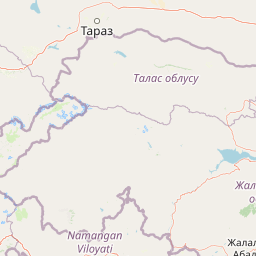
The landscape of Besh-Tash Nature Park is defined by its position within the Talas Alatoo mountain range, where the northern slopes of the range descend into the Talas Valley creating a dramatic transition from high peaks to lower terrain. The Besh-Tash river carves through the park, feeding the large turquoise lake that sits at the valley's end and serves as the park's most visually striking feature. The surrounding terrain includes rocky mountain slopes, alpine meadows, and the characteristic vegetation zones that respond to elevation and aspect. The combination of glacial water feeding the lake, the surrounding peaks, and the relatively contained valley creates a landscape that feels both dramatic and intimate, with the water serving as a focal point for the entire protected area. The mountains themselves are typical of the northern Kyrgyz highlands, with ridgelines and rock outcrops that provide both ecological habitat and visual interest.
Besh-Tash Nature Park ecosystems, habitats, and plant life
The natural systems within Besh-Tash Nature Park represent a high-altitude Central Asian mountain ecosystem that has developed under the influence of continental climate patterns and the isolating effects of mountain barriers. The park encompasses habitats ranging from valley floor riparian areas along the Besh-Tash river through to alpine zones on the surrounding slopes, creating a mosaic of environments that supports diverse species assemblages. The turquoise color of the lake results from glacial mineral content and contributes to the visual identity of the park while also indicating the hydrological processes that sustain the local water systems. The strictly protected areas within the park maintain ecological integrity by limiting human disturbance, allowing natural processes to continue in the core zones and supporting the species that depend on relatively unmodified habitats.
Besh-Tash Nature Park wildlife and species highlights
The wildlife community in Besh-Tash Nature Park is centered on species adapted to the harsh conditions of high-altitude Central Asian mountains, with the snow leopard representing the most notable and conservation-significant inhabitant. These elusive cats occupy a specialized ecological niche in the rocky terrain above the valley floor, where their cryptic coloration and secretive behavior allow them to persist in landscapes that would otherwise seem inhospitable to large predators. The presence of snow leopards indicates that the park supports a functioning predator-prey system capable of sustaining viable populations of these endangered animals. Beyond the flagship species, the park's diverse elevations and habitat types support other wildlife adapted to mountain environments, though the specific faunal community reflects the broader patterns of Kyrgyz mountain biodiversity.
Besh-Tash Nature Park conservation status and protection priorities
Besh-Tash Nature Park contributes to regional conservation efforts by protecting a representative sample of Talas Alatoo mountain ecosystem and maintaining habitat for species of global conservation concern. The designation as an IUCN Category II protected area reflects management priorities centered on ecosystem conservation and the maintenance of natural processes. The park's strictly protected zone of nearly 5,900 hectares provides a core area where human activity is minimized to the greatest extent possible, supporting ecological processes and species that require isolation from disturbance. The presence of snow leopards elevates the conservation significance of the park beyond its role as a scenic preserve, as these animals face multiple threats across their range and require large, interconnected habitats to maintain viable populations.
Besh-Tash Nature Park cultural meaning and human context
Besh-Tash Nature Park is situated within a region of Kyrgyzstan that has historical connections to traditional pastoral use of mountain grasslands, though the protected area status now limits such activities within its borders. The name Besh-Tash derives from Kyrgyz and reflects local naming conventions for landscape features that have been used for generations. The park's relative accessibility from Talas has created opportunities for local communities to engage with the area as a recreational and educational resource, while the broader Talas Region maintains cultural ties to the mountain environments that surround the valley. The establishment of the park as a protected area represents a transition from traditional land use patterns toward conservation-based management that recognizes the global significance of the region's biodiversity.
Top sights and standout views in Besh-Tash Nature Park
Besh-Tash Nature Park offers visitors the opportunity to experience a relatively accessible yet genuinely wild mountain landscape in Kyrgyzstan. The turquoise lake at the valley's end provides a scenic anchor for exploration, while the surrounding peaks create a dramatic backdrop that illustrates the scale and character of Central Asian high-altitude environments. The chance to potentially observe snow leopards in their natural habitat represents a remarkable opportunity, though visitors should understand that these elusive animals are rarely encountered. The park's zonation approach allows for meaningful experiences while maintaining core conservation areas that protect the ecological integrity of the landscape. Combined with the proximity to Talas city, these features make Besh-Tash a distinctive destination within Kyrgyzstan's protected area network.
Best time to visit Besh-Tash Nature Park
The most favorable conditions for visiting Besh-Tash Nature Park occur during the warmer months of late spring through early autumn, when temperatures are moderate and the mountain landscape is accessible. Summer months typically offer the most stable weather for hiking and viewing the lake, though afternoon thunderstorms can occur in mountain environments. The turquoise color of the lake is most striking during periods of high water input from glacial melt, typically in early to mid-summer. Winter access is limited by snow and cold conditions that restrict travel in the mountain terrain. The shoulder seasons of spring and autumn provide alternative experiences with different atmospheric conditions and potentially fewer visitors, though visitors should be prepared for variable weather regardless of when they travel.