Why Cotubanamá National Park stands out
Cotubanamá National Park is best known for its spectacular cenote system, which includes the famous Hoyo Azul (Blue Hole), a deep natural pool formed in collapsed limestone that attracts visitors for swimming and photography. The park's coastal scenery, particularly the sea cliffs at Cabo Engaño and the beaches near Bayahibe, represents some of the most visually striking shoreline in the Dominican Republic. The protected area also preserves significant Caribbean dry forest ecosystems that once covered much of the island's eastern region.
Cotubanamá National Park history and protected-area timeline
Cotubanamá National Park was established in 1956 as Parque Nacional Del Este, representing one of the earliest formal protected area designations in the Dominican Republic. The creation of the park reflected growing recognition among mid-20th century Dominican leadership of the need to preserve the nation's natural heritage. The original park designation focused on protecting the significant coastal and forest ecosystems found in the eastern region of the country. In 2013, the park underwent a significant official transformation when the Dominican government formally renamed the protected area to Cotubanamá National Park. This change was made to honor Cotubanamá, a legendary Taíno chieftain who led indigenous resistance against Spanish colonization in the early 1500s. Cotubanamá became known for unifying the Taíno peoples of the eastern Caribbean against colonial forces and is remembered as a symbol of resistance and indigenous heritage. The renaming recognized both the natural significance and the deep cultural history of the region, connecting the protected landscape to the pre-Columbian past of Hispaniola.
Cotubanamá National Park landscape and geographic character
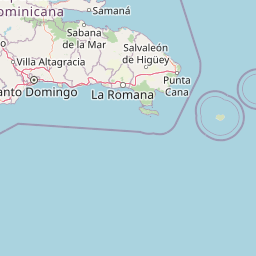
The landscape of Cotubanamá National Park is characterized by its dramatic karst limestone topography, which creates a distinctive terrain of sinkholes, caves, natural arches, and cenotes throughout the inland areas. The most famous of these geological features is Hoyo Azul, a deep collapsed sinkhole filled with crystal-clear blue water that has become one of the park's signature attractions. The park's coastline features some of the most impressive sea cliffs in the Dominican Republic, particularly along the Cabo Engaño peninsula where towering limestone cliffs drop directly into the Caribbean Sea. Between the cliff sections, the park contains several sandy beaches and coastal lagoons formed where streams have created estuarine conditions. The inland areas of the park rise gently from the coastal plain into a hilly terrain covered in dry forest vegetation. The interplay between the karst geology and the tropical vegetation creates a visually striking landscape that is distinctly Caribbean yet unique to this specific region of Hispaniola.
Cotubanamá National Park ecosystems, habitats, and plant life
Cotubanamá National Park preserves important examples of Caribbean dry forest ecosystem, a habitat type that has been significantly reduced across the Caribbean region due to agricultural expansion and development. The forest within the park features a mix of deciduous and semi-evergreen tree species adapted to the seasonal drought conditions that characterize the tropical climate. The park's karst landscape supports specialized plant communities adapted to the limestone substrate, including various cacti, succulents, and drought-resistant shrubs. The cenotes and natural pools within the park are fed by underground aquifer systems and maintain consistent water temperatures year-round, creating unique aquatic habitats. The marine portion of the protected area includes nearshore coral reef ecosystems that support fish and invertebrate communities typical of Caribbean reef systems. The combination of terrestrial forest, coastal mangrove, and marine environments within a single protected area makes Cotubanamá significant for ecosystem preservation.
Cotubanamá National Park wildlife and species highlights
The wildlife of Cotubanamá National Park reflects the Caribbean dry forest ecosystem, with several endemic species found within its boundaries. The park provides habitat for a variety of bird species, including the Hispaniolan parrot, the Antillean palm swift, and various tyrant flycatchers adapted to forest edge environments. Reptiles are well-represented in the park, with several species of anoles, iguanas, and the endangered Hispaniolan rhinoceros iguana occurring in the protected area. The cenotes and coastal waters support fish species adapted to both freshwater and brackish conditions. The park's location along the southeastern coast places it within a migratory bird corridor, making it significant for seasonal bird movements across the Caribbean. Marine wildlife in the nearshore waters includes various reef fish, sea turtles that occasionally use coastal beaches for nesting, and marine invertebrates typical of Caribbean coral reef systems.
Cotubanamá National Park conservation status and protection priorities
Cotubanamá National Park plays a critical role in preserving Caribbean biodiversity by protecting one of the last significant tracts of dry forest remaining on the island of Hispaniola. The karst ecosystem within the park, with its cenotes and underground water systems, represents a unique environment that requires specific protection measures to maintain water quality and geological stability. The park's coastal and marine zones preserve coral reef ecosystems that face ongoing pressure from development, climate change, and ocean acidification throughout the Caribbean. The 2013 renaming of the park to honor indigenous heritage also reflected a broader approach to conservation that recognizes the connection between cultural preservation and environmental protection. The park is managed by the Dominican Republic's Ministry of Environment and Natural Resources, which works to balance conservation objectives with sustainable tourism opportunities in the region.
Cotubanamá National Park cultural meaning and human context
The cultural significance of Cotubanamá National Park extends deeply into the pre-Columbian history of Hispaniola. The region was home to Taíno indigenous peoples who established settlements along the southeastern coast centuries before European contact. The cenotes and natural pools within the park were sacred sites for the Taíno, who used them for religious ceremonies, water collection, and as gathering places for communities. The park's namesake, Chief Cotubanamá, led a major indigenous uprising against Spanish colonial forces in the early 1500s, unifying Taíno groups across the eastern Caribbean in resistance to colonization. His legacy as a symbol of indigenous resistance remains important in Dominican cultural identity. The park preserves this cultural heritage alongside its natural values, creating a space where both ecological and historical significance are recognized and protected.
Top sights and standout views in Cotubanamá National Park
The cenote system represents the most distinctive feature of Cotubanamá National Park, with Hoyo Azul standing as the signature attraction. The dramatic sea cliffs at Cabo Engaño offer spectacular coastal views and represent some of the most impressive cliff formations in the Caribbean. The park preserves significant remnants of Caribbean dry forest, an endangered ecosystem type that has largely disappeared from the region. The combination of terrestrial, freshwater, and marine environments within a single protected area makes Cotubanamá particularly valuable for ecosystem conservation. The park's historical significance, tied to both its 1956 establishment as one of the Dominican Republic's first national parks and its connection to Taíno heritage through the 2013 renaming, adds cultural depth to its natural values.
Best time to visit Cotubanamá National Park
The best time to visit Cotubanamá National Park is during the dry season from December through April, when rainfall is minimal and visitor conditions are most comfortable. The tropical climate means that temperatures remain warm year-round, but the dry season offers more reliable conditions for outdoor exploration and cenote visits. The shoulder months of November and May can also provide good visiting conditions with fewer crowds than the peak winter tourist season. Visitors should be prepared for tropical heat and humidity regardless of when they visit, and should bring appropriate sun protection and hydration supplies. The park's cenotes can be enjoyed throughout the year, though water levels may vary slightly between wet and dry seasons.