Why Croajingolong National Park stands out
Croajingolong National Park is best known for its status as a UNESCO World Biosphere Reserve, recognizing its outstanding biodiversity and ecological significance. The park contains nearly 1,000 native plant species and 315 animal species within its diverse coastal landscapes. Its dramatic coastline features spectacular rocky headlands like Point Hicks and Rame Head, extensive sand dunes at Thurra River, and the remote Wilderness Coast Walk that stretches 100 kilometers along the Tasman Sea. The park's eastern section forms part of the Nadgee to Mallacoota Inlet Important Bird Area, supporting significant populations of eastern bristlebirds and pilotbirds. Its designation as part of Victoria's wilderness coast, combined with the Sandpatch Wilderness Area and connectivity to adjacent protected areas in New South Wales, makes it one of the most ecologically significant coastal reserves in southeastern Australia.
Croajingolong National Park history and protected-area timeline
Croajingolong National Park was officially established on April 26, 1979, designating the coastal wilderness of East Gippsland as a protected area under Victoria's national park framework. Prior to European settlement, the land was inhabited by the Krauatungalung people, an Aboriginal clan whose language gave the park its name, meaning "belonging to the east." The establishment of the park came after decades of increasing recognition of the area's ecological significance and the need to protect its coastal ecosystems from logging and development pressures that had affected much of East Gippsland. The park's designation as a World Biosphere Reserve by UNESCO in 1977, two years before its formal national park status, elevated its international profile and reinforced its conservation importance. This dual recognition reflects the park's exceptional natural values and its role as a model for sustainable environmental management. The subsequent expansion of wilderness area protections within the park, including the Sandpatch Wilderness Area, further strengthened the legal framework for preserving its remote and unmodified landscapes.
Croajingolong National Park landscape and geographic character
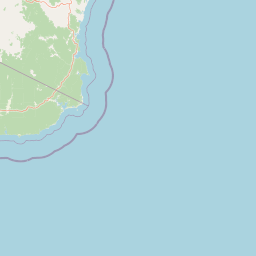
The landscape of Croajingolong National Park is defined by its dramatic coastal geography and the tension between the Tasman Sea's forces and the diverse terrestrial environments they shape. The park features a succession of sandy beaches interrupted by rocky headlands, with prominent points such as Rame Head and Point Hicks offering commanding views over the ocean. Coastal dunes, particularly notable at Thurra River, form dynamic landforms that shift with wind and tidal influences. The park's western boundary follows the Bemm River, one of several freshwater systems that flow from the inland hills through the park to the sea, creating estuarine environments where fresh and salt water mix. The northern reaches of the park transition from low hills covered in dense bushland to more open heathlands that characterize much of the park's interior. This combination of coastal, riparian, and heathland landscapes creates a visually varied terrain that supports the park's exceptional biodiversity while providing the foundation for its wilderness character.
Croajingolong National Park ecosystems, habitats, and plant life
The ecological character of Croajingolong National Park reflects the convergence of multiple habitat types within a relatively narrow coastal strip, creating exceptional biodiversity within a relatively confined area. The park contains approximately 1,000 native plant species, ranging from coastal grasses and strand plants through heathland shrubs to taller eucalyptus and wattle species in the more sheltered valleys. The heathlands, dominated by banksias, grevilleas, and various ericaceous shrubs, represent one of the most significant vegetation communities in the park and support specialized fauna adapted to these fire-maintained environments. The freshwater rivers and their associated wetlands provide critical habitat for aquatic species and serve as corridors linking the coastal environments with the inland bushland. The park's position at the boundary between temperate and subtropical influences, combined with its variety of substrates from sandy soils to rocky substrates, creates conditions favorable for high species diversity and the presence of species at the edges of their geographic ranges.
Croajingolong National Park wildlife and species highlights
Croajingolong National Park supports approximately 315 animal species, including significant populations of birds, mammals, reptiles, and invertebrates that inhabit its diverse coastal and heathland environments. The eastern section of the park lies within the Nadgee to Mallacoota Inlet Important Bird Area, recognized by BirdLife International for its populations of eastern bristlebirds and pilotbirds, two of Australia's more localized and habitat-specific bird species. The heathland and woodland environments provide habitat for a variety of honeyeaters, parrots, and ground-dwelling birds, while the coastal areas support shorebirds and seabirds. Mammals inhabiting the park include kangaroos, possums, and various smaller marsupials, with the dense vegetation providing shelter and foraging resources. The freshwater environments support fish species and provide drinking sources for wildlife throughout the park. The combination of relatively intact habitats and the park's position along coastal migratory pathways contributes to its significance as a wildlife refuge in southeastern Australia.
Croajingolong National Park conservation status and protection priorities
The conservation significance of Croajingolong National Park is recognized at both national and international levels, most notably through its designation as one of only twelve World Biosphere Reserves in Australia. This UNESCO recognition, granted in 1977, acknowledges the park's exceptional ecosystems, habitats, and genetic pools that are managed sustainably within the protected area framework. The park forms part of a larger contiguous conservation network that includes the Nadgee Nature Reserve in New South Wales, the Cape Howe Wilderness Area, and the Cape Howe Marine National Park, creating a protected corridor that extends across the state border and encompasses both terrestrial and marine environments. The Sandpatch Wilderness Area within the park receives the highest level of protection under Victoria's wilderness preservation legislation, ensuring that its natural values remain essentially unmodified. The park's Important Bird Area designation further underscores its role in protecting significant populations of threatened bird species, making it a priority site for biodiversity conservation in southeastern Australia.
Croajingolong National Park cultural meaning and human context
The cultural heritage of Croajingolong National Park is deeply rooted in the traditional lands of the Krauatungalung people, an Aboriginal clan whose connection to this coastline predates European settlement by tens of thousands of years. The park's name derives from the Krauatungalung language, combining words meaning "east" and "belonging to," a linguistic legacy that reflects the enduring Aboriginal connection to this landscape. European exploration and settlement of the East Gippsland coast brought later uses of the area, including logging of the forests that once covered much of the region and coastal settlements that developed around fishing and agriculture. The establishment of the national park in 1979 represented a shift toward recognizing the ongoing ecological and cultural values of the coastline, moving from extractive uses to preservation. The park's cultural context today acknowledges both the Aboriginal heritage and the more recent European history while emphasizing the conservation of natural values that have sustained this landscape through countless generations.
Top sights and standout views in Croajingolong National Park
Croajingolong National Park offers visitors access to one of Australia's most remote and ecologically significant coastal wilderness areas. The 100-kilometer Wilderness Coast Walk provides the primary through-track for exploring the park, following beaches, heathland, and rocky headlands from one end of the park to the other. Notable landmarks within the park include Point Hicks with its lighthouse, the dramatic sand dunes at Thurra River, and the distinctive peak of Rame Head. The park supports diverse recreational activities including hiking, swimming, diving, snorkeling, and sea kayaking, though the remote nature of most locations means visitors should be prepared for self-sufficient exploration. Campgrounds at Wingan Inlet, Shipwreck Creek, and Peachtree Creek provide basic facilities for overnight stays, while more remote sites at Mueller Inlet and Thurra River offer a more wilderness-oriented camping experience. The park's World Biosphere Reserve status and biodiversity significance make it a destination of interest for nature enthusiasts and conservation-minded travelers seeking to experience Victoria's coastal wilderness.
Best time to visit Croajingolong National Park
The temperate climate of East Gippsland makes Croajingolong National Park suitable for visitation throughout the year, though the summer months of December through February typically offer the most favorable conditions for beach activities and coastal walking. The park's location on the Tasman Sea coast means that weather can change rapidly, and visitors should be prepared for both sun and wind regardless of season. Winter months (June through August) bring cooler temperatures but often calmer sea conditions and fewer visitors, making this an appealing time for those seeking a more solitary wilderness experience. The heathland and wildflower displays are most prominent during spring and early summer, while autumn often brings settled weather and comfortable temperatures for longer walks. Regardless of season, visitors should note that the park's remote nature means that supplies and services are limited in the surrounding area, and self-sufficiency in terms of food, equipment, and vehicle preparation is essential for a safe visit.