Why Iytwelepenty / Davenport Range National Park stands out
Iytwelepenty / Davenport Range National Park is best known for its remote mountain landscape within the heart of Central Australia, featuring ancient geological formations including the Amelia Creek impact crater. The park protects a significant portion of the Davenport Range, a semi-arid to subtropical mountain environment that represents an ecological transition zone in Australia's interior. The combination of ancient mountain ridges, seasonal creek systems, and isolated desert environment creates a distinctive protected landscape relatively uncommon in the Northern Territory's network of national parks.
Iytwelepenty / Davenport Range National Park history and protected-area timeline
Davenport Range National Park was formally established in 1993, representing recognition of the geological and ecological significance of this Central Australian mountain environment. The park was previously designated as the Davenport Murchison National Park, reflecting the historical naming conventions for the region. The dual indigenous and English naming of Iytwelepenty / Davenport Range National Park represents a formal acknowledgment of the traditional owners' connection to this landscape and their continued interest in the management of the protected area. The Parks and Wildlife Commission of the Northern Territory has maintained stewardship of the park since its establishment, working to balance conservation objectives with appropriate visitor access to this remote location.
Iytwelepenty / Davenport Range National Park landscape and geographic character
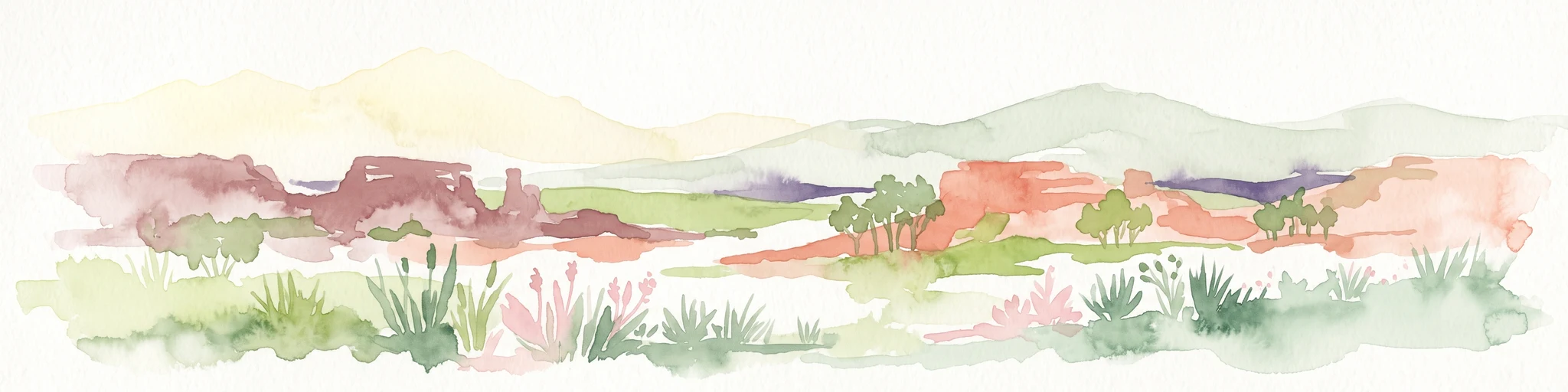
The Davenport Range forms the central physical feature of Iytwelepenty / Davenport Range National Park, comprising ancient mountain ridges and valleys created through tectonic processes hundreds of millions of years ago. The dramatic exposed ridges visible today are the result of erosion processes that have gradually stripped away overlying material, with remote sensing imagery indicating these landforms became exposed approximately 100 million years ago during the Cretaceous period. The landscape features a mixture of sandstone and granite formations typical of Central Australia's ancient cratonic geology. Seasonal watercourses drain the mountain catchments, creating riparian corridors through the otherwise arid terrain. The Amelia Creek crater represents a notable geological feature within the park, an ancient impact crater formed by a meteorite collision and subsequently eroded over geological time.
Iytwelepenty / Davenport Range National Park ecosystems, habitats, and plant life
The Davenport Murchison Ranges bioregion encompasses approximately 58,050 square kilometres of Central Australian terrain, with Iytwelepenty / Davenport Range National Park protecting a representative portion of this larger ecological landscape. The park sits within a climatic transition zone where semiarid conditions meet subtropical influences, creating a mosaic of habitats supporting plant species from both desert and more mesic environments. The rocky mountain terrain provides habitat for species adapted to cliff faces, scree slopes, and isolated watercourses, while the surrounding plains support more typical arid-zone communities. This environmental gradient contributes to the park's ecological significance within the Northern Territory's protected area network.
Iytwelepenty / Davenport Range National Park wildlife and species highlights
The remote mountain environment of Iytwelepenty / Davenport Range National Park supports wildlife populations adapted to Central Australia's arid and semi-arid conditions. The Davenport Range provides critical habitat for species that utilize the rocky terrain and seasonal water sources, with the mountain environment offering more favorable conditions than the surrounding desert plains. Riparian corridors along seasonal creeks provide important habitat for birds and other wildlife during the wet season, while rocky outcrops offer shelter and nesting sites for reptiles and birds. The isolation of the park contributes to its wildlife value, with minimal human disturbance supporting natural population dynamics.
Iytwelepenty / Davenport Range National Park conservation status and protection priorities
Iytwelepenty / Davenport Range National Park contributes to the conservation network protecting Central Australia's mountainous environments and geological heritage. The park's inclusion within the Davenport Murchison Ranges bioregion recognizes the broader ecological context necessary for effective conservation of this mountain island ecosystem. Protection of the Davenport Range preserves both significant geological features including the Amelia Creek impact crater and the semi-arid to subtropical ecological transition zone. The establishment of the park in 1993 formalized protection for this remote mountain landscape that had previously existed as an unprotected portion of the Central Australian terrain.
Iytwelepenty / Davenport Range National Park cultural meaning and human context
Iytwelepenty / Davenport Range National Park operates under a dual naming convention that acknowledges the traditional indigenous connection to this landscape. The name Iytwelepenty (also rendered as Iytwellepenty) represents the language and heritage of the traditional owners whose ancestors have maintained connection to this Country over thousands of years. The formal recognition of indigenous names alongside the English designation reflects the Northern Territory's approach to incorporating Aboriginal heritage into the management framework for protected areas.
Top sights and standout views in Iytwelepenty / Davenport Range National Park
The park's defining highlight is its remote mountain landscape rising from the Central Australian plains, offering a distinctive desert mountain experience unlike Australia's coastal and tropical parks. The Amelia Creek impact crater provides a unique geological attraction of scientific and educational interest. The Davenport Range's ancient geological heritage, with formations dating back hundreds of millions of years, represents a compelling story of continental evolution. The semi-arid to subtropical ecological transition creates a diverse plant community within a relatively compact mountain environment.
Best time to visit Iytwelepenty / Davenport Range National Park
The cooler months from May through September generally offer the most comfortable conditions for exploring Iytwelepenty / Davenport Range National Park, with daytime temperatures more moderate than the intense summer heat. The dry season typically runs from April to October, providing clearer conditions for landscape appreciation though water availability in seasonal creeks may be limited. Visitors should be prepared for the remote nature of this park, with self-sufficiency in terms of supplies and vehicle preparation being essential for a safe visit.