
Why Domaine national de Chambord stands out
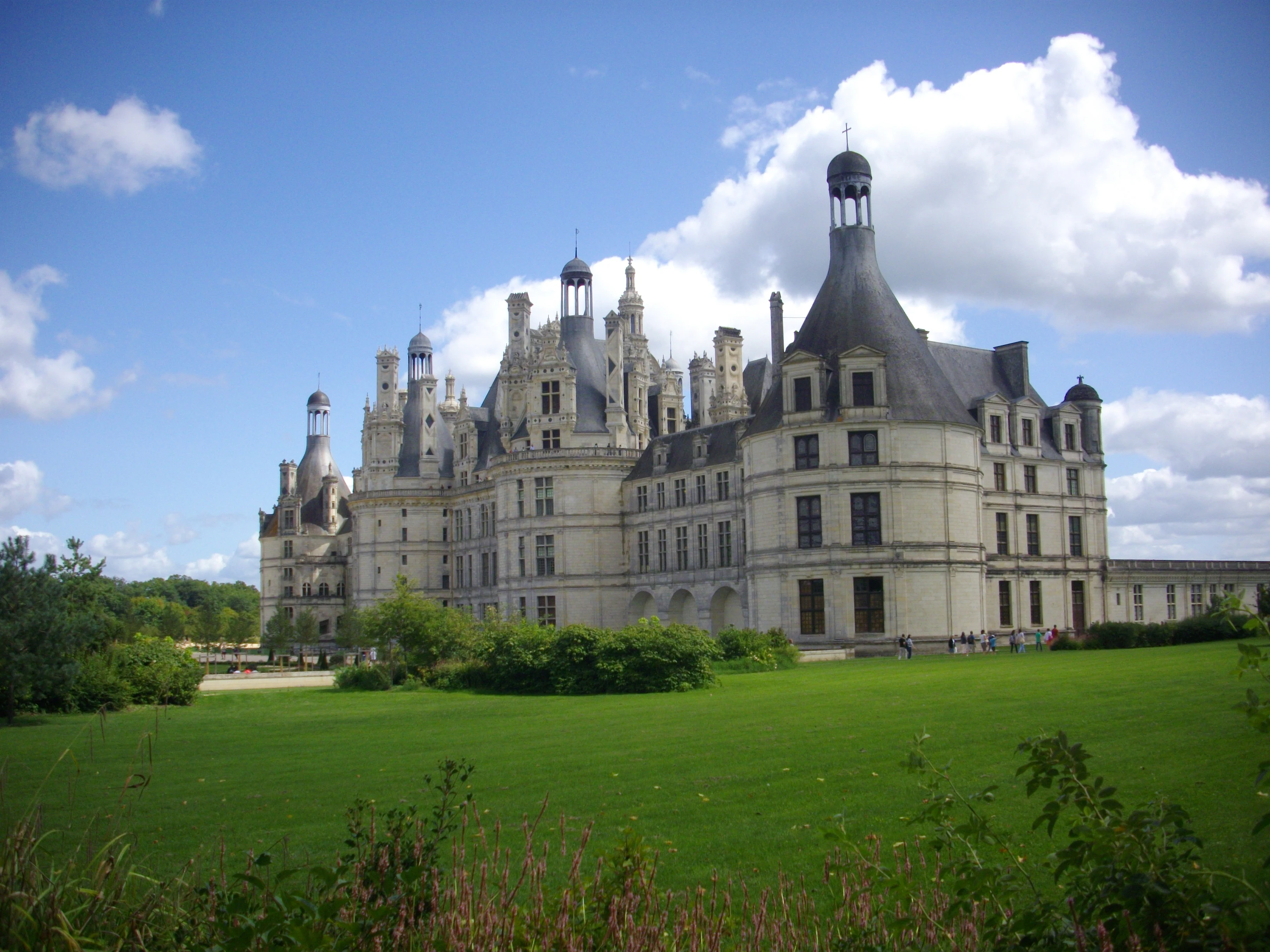
The Domaine national de Chambord is best known for the Château de Chambord, a masterpiece of French Renaissance architecture commissioned by King Francis I beginning in 1519, whose distinctive silhouette of towers, chimneys, and a famous double-helix staircase has come to symbolize the Loire Valley's royal heritage. The domain is also known for the sheer scale of its enclosed landscape, which gives a forested, park-like setting rarely matched by any other French historic monument. Beyond the château, the domain is recognized for its large enclosed forest and its role as a managed wildlife and hunting territory, in which the red deer (cerf élaphe) has become emblematic. The combination of monumental architecture, naturalistic woodland, and explicitly protected ecological status makes Chambord a rare case of a heritage property that is also a functioning natural domain.
Domaine national de Chambord history and protected-area timeline
The Domaine national de Chambord takes its origin from the decision of King Francis I of France to build a monumental château in the Loire Valley, with construction beginning in 1519. This royal foundation set the trajectory for the entire surrounding estate, which over time grew into a vast enclosed domain used for hunting, leisure, agriculture, and royal residence.
Over the centuries, the domain's lands were shaped by successive royal and state uses. A vineyard was established at the place known as l'Ormetrou toward the end of the eighteenth century, but it gradually disappeared through the twentieth century. In the modern era, the site entered a new phase of structured public administration when the French state, beginning under President Georges Pompidou in 1970, appointed high-ranking officials specifically to oversee the development and management of Chambord as a national property.
In 2005, the domain's governance was reorganized through the creation of an établissement public à caractère industriel et commercial, a public establishment combining cultural and commercial functions. This legal form replaced the earlier commissioner system. A succession of presidents and directors have since led the establishment, with Augustin de Romanet taking over as president in 2017, underscoring the strategic importance assigned to Chambord by the French state.
A more recent historical chapter at the domain has been the revival of viticulture. In 2015, fourteen hectares of vines were replanted at the historic l'Ormetrou site, using five traditional grape varieties: pinot noir, orbois, gamay, sauvignon, and romorantin. This replanting reconnects the domain to a centuries-old agricultural heritage that had been lost in the modern period.
Domaine national de Chambord landscape and geographic character
The landscape of the Domaine national de Chambord is defined by the combination of a massive enclosed forest with the monumental architecture at its center. Spread across roughly 5,440 hectares, the estate forms one of the largest walled historic landscapes in France, turning the grounds of the château into a continuous natural and rural territory rather than a typical palace garden.
Woodland dominates the domain. The forest stretches out from the château in every direction, creating a park-like landscape of mature trees, clearings, and managed game habitat. Within this forest are scattered ponds and wetland areas, contributing to a varied mosaic of dry woodland and damp zones. The red deer that inhabit the forest have become so closely identified with the estate that they are featured in its official emblem.
Alongside the forest, the domain includes formal gardens around the château, portions of agricultural land, a small village, and restored vineyards. A perimeter wall encloses the entire territory. Together, these elements produce a landscape where human design and natural patterns of woodland and water coexist on a remarkably large scale.
Domaine national de Chambord ecosystems, habitats, and plant life
The Domaine national de Chambord is ecologically as well as architecturally significant. Because the estate is formally classified as a hunting reserve and as a Natura 2000 site, its forests, ponds, and surrounding habitats are protected within European nature conservation networks. This protected status reflects the unusual scale and ecological continuity of the wooded landscape surrounding the château.
The natural environment of the domain is dominated by extensive deciduous and mixed woodland. Within the forest are wetland zones and ponds, which add habitat diversity and support a range of ecological functions typical of the Loire Valley. The combination of mature trees, open clearings, water bodies, and mosaic forest patches gives the domain a habitat richness that goes well beyond the scale usually associated with a historic monument.
Management of the domain recognizes this ecological role. The red deer, emblematic of the forest, is at the center of the managed wildlife presence, while the surrounding vegetation and ponds sustain broader habitat networks. The ecological character of the estate is therefore not incidental; it is a deliberate and protected component of what makes the Domaine national de Chambord distinctive.
Domaine national de Chambord wildlife and species highlights
Wildlife at the Domaine national de Chambord is closely associated with the enclosed forest and its long history as a managed hunting territory. The most emblematic species is the red deer (cerf élaphe), a large deer species whose presence defines both the ecological identity and the cultural symbolism of the domain. The animal is so identified with Chambord that it appears in the official logo of the establishment.
The forested and wetland environments of the estate also support a broader community of typical Loire Valley woodland fauna. The mosaic of mature forest, clearings, and ponds provides habitat for a range of mammals and birds adapted to mixed woodland and edge habitats. Because the domain is classified as both a hunting reserve and a Natura 2000 site, its wildlife is formally recognized as a conservation asset at the national and European level.
Domaine national de Chambord conservation status and protection priorities
From a conservation perspective, the Domaine national de Chambord is distinguished by the fact that an enormous historic estate surrounding a major cultural monument has also been given formal ecological recognition. The domain is classified as a Natura 2000 site, placing its woodlands and associated habitats within the European Union's network of protected natural areas, and it also functions as a managed hunting reserve.
This dual heritage and ecological designation is unusual. Most major French historic monuments operate within strictly maintained gardens or urban contexts; Chambord instead preserves an extensive natural landscape at large scale. The preservation of continuous forest cover, wetland zones, and habitat connectivity within an enclosed estate of roughly 5,440 hectares gives the site real conservation value beyond its cultural significance.
The French state, as the owner of the domain and through its public establishment, is responsible for managing this balance. Conservation of the natural habitats, wildlife, and ecological functioning of the estate is treated as an institutional responsibility, not merely an incidental outcome of leaving land undeveloped.
Domaine national de Chambord cultural meaning and human context
The Domaine national de Chambord sits at the heart of the Loire Valley's royal and architectural heritage. Founded by King Francis I of France through the construction of the château beginning in 1519, the estate carries the legacy of French Renaissance monarchy and the Loire's role as a royal center of residence, hunting, and artistic patronage.
Over time, the domain evolved from a purely royal estate into a national property held by the French state, and the entire village of Chambord as well is owned by the state. This continuity of public ownership gives the site a strong sense of French national identity. The domaine also preserves more localized traditions, including the long history of viticulture at the l'Ormetrou vineyard, which was replanted in 2015 with five traditional grape varieties after nearly vanishing in the twentieth century.
The symbolism of the domain reflects these intertwined royal, architectural, and natural identities. Its official emblem combines the crowned salamander of Francis I with the red deer of the forest, visually bringing together the cultural and natural heritage that defines Chambord.
Top sights and standout views in Domaine national de Chambord
The Domaine national de Chambord combines one of the most recognizable Renaissance châteaux in the world with a vast enclosed landscape of more than 5,440 hectares. Its scale alone distinguishes it, offering a setting in which architecture, forest, ponds, gardens, and traditional agriculture exist within a single continuous territory.
Key defining elements include the Château de Chambord itself, the surrounding woodlands designated as a Natura 2000 site, the emblematic red deer that roam the forest, the restored l'Ormetrou vineyard, and the unique status of the domain as both a national cultural landmark and a formally protected natural reserve.
Best time to visit Domaine national de Chambord
The Domaine national de Chambord offers different qualities throughout the year. Spring and early summer bring fresh greenery to the forest and blossoming gardens around the château, while autumn highlights the woodland character of the estate with rich foliage across the enclosed landscape. Winter offers a quieter, more atmospheric experience, with the château and its grounds framed by bare trees and a calm, open landscape typical of the Loire Valley.
For visitors interested in wildlife, the cooler months are also when the red deer and other forest species are most visible in the woodland. The climate of central France is generally mild, and the estate's combination of built heritage and natural scenery remains appealing across all seasons, though the framing of the château by seasonal forest conditions varies significantly.