Why Fogo Natural Park stands out
Fogo Natural Park is best known for protecting Pico do Fogo, one of the Atlantic's most accessible active volcanoes and Cape Verde's highest summit. The park is distinguished by its dramatic volcanic landscape of crater, caldera, and lava fields, combined with remarkable endemic biodiversity. Two critically significant plant species are found nowhere else on Earth: Echium vulcanorum, which grows along the outer crater rim and is endangered, and Erysimum caboverdeanum, which is critically endangered. The surrounding marine area serves as habitat for seabirds including Fea's petrel and Boyd's shearwater, both of which nest in the park's volcanic cliffs.
Fogo Natural Park history and protected-area timeline
Fogo Natural Park was officially established on February 24, 2003, as part of Cape Verde's national strategy to protect its most ecologically and geologically significant landscapes. The park was created to conserve the unique volcanic environment of Pico do Fogo while providing a framework for sustainable management of the island's natural resources. Prior to formal protection, the area had experienced pressure from agricultural expansion and volcanic events that periodically reshaped the landscape. The park's establishment followed broader efforts by Cape Verde to develop a network of protected areas across its islands. The 2014-2015 eruption of Pico do Fogo represented a significant event that tested the park's management and demonstrated the dynamic nature of the volcanic landscape it protects, with lava flows reaching populated areas and altering substantial portions of the island's terrain.
Fogo Natural Park landscape and geographic character
The landscape of Fogo Natural Park is defined entirely by volcanic processes. Pico do Fogo rises as a classic stratovolcano with steep slopes leading to a summit crater. The caldera depression measures approximately 9 kilometers across, with a distinctive breach in its eastern rim that serves as the primary conduit for lava flows during eruptions. The terrain ranges from recent lava fields with minimal vegetation near the volcano's base to more stabilized surfaces supporting forest growth in the Monte Velha area. The contrast between the stark, dark volcanic rock and the green vegetation in higher elevations creates a visually striking landscape. The coastal areas where lava has reached the sea have formed new land, continually reshaping the island's perimeter. The vertical span from sea level to the summit creates diverse microclimates and ecological zones within a relatively small geographic area.
Fogo Natural Park ecosystems, habitats, and plant life
The ecological character of Fogo Natural Park reflects its volcanic origin and island isolation. The park encompasses multiple habitat types ranging from the Monte Velha forest, which represents one of the last remaining woodland areas on Fogo Island, to the harsh volcanic summit environment where only specialized species can survive. The plant communities on the outer crater rim support extremely rare endemic species that have evolved to tolerate the extreme conditions found at high elevation. The park's designation as an Important Bird Area recognizes the significance of the surrounding marine environment for seabird populations. The isolation of Cape Verde in the central Atlantic has allowed for the evolution of unique species found nowhere else, making the park's conservation value extend far beyond its relatively modest terrestrial area.
Fogo Natural Park wildlife and species highlights
The wildlife of Fogo Natural Park is characterized by seabird populations and extremely rare endemic plant species. The park's volcanic cliffs provide nesting habitat for Fea's petrel and Boyd's shearwater, two seabird species of particular conservation concern. The Cape Verde swift also inhabits the area, adding to the park's ornithological significance. The floral endemism is particularly notable, with Echium vulcanorum growing exclusively on the outer crater rim of Pico do Fogo and classified as endangered, while Erysimum caboverdeanum, found in the same restricted habitat, is critically endangered. These plant species represent some of the most endangered flora in the Cape Verde archipelago, making their protection within the park a matter of global conservation importance.
Fogo Natural Park conservation status and protection priorities
Fogo Natural Park serves as the primary conservation mechanism for protecting Cape Verde's most significant volcanic ecosystem and its associated endemic biodiversity. The park's inclusion of the crater rim habitat is critical for the survival of species that exist nowhere else on the planet. The designation as an Important Bird Area extends protection to marine waters supporting internationally significant seabird populations. The park faces ongoing challenges from volcanic activity, which while a natural process, requires management approaches that balance ecological protection with the safety of island communities. The presence of two critically significant endemic plant species on the crater rim makes the park essential for preventing the extinction of these unique species.
Fogo Natural Park cultural meaning and human context
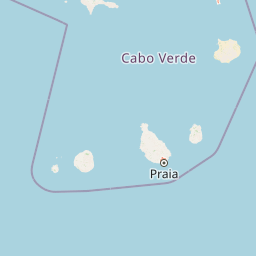
Fogo Island and its natural park exist within the cultural context of Cape Verde, a nation formed from volcanic islands in the central Atlantic that has developed a distinct identity shaped by its isolation, maritime history, and resilient communities. The active volcano has been a defining presence in the lives of island residents, with eruptions shaping settlement patterns and land use over centuries. The park's establishment in 2003 reflects a modern commitment to balancing development pressures with conservation of the island's natural heritage. The communities within and adjacent to the park maintain traditional relationships with the landscape while increasingly recognizing the importance of protecting its unique ecological values for future generations.
Top sights and standout views in Fogo Natural Park
Fogo Natural Park offers the rare opportunity to explore an active volcanic environment with accessible summit trails, observe endemic plant species found nowhere else on Earth, and witness dramatic crater and caldera landscapes. The park protects two of the world's most endangered plants, Echium vulcanorum and Erysimum caboverdeanum, which grow exclusively on the volcano's outer rim. Seabird colonies featuring Fea's petrel and Boyd's shearwater nest in the volcanic cliffs. The 2014-2015 eruption demonstrated the dynamic geological processes that continue to shape this island landscape.
Best time to visit Fogo Natural Park
The best time to visit Fogo Natural Park is during the dry season from November to May, when weather conditions are more stable and hiking conditions are favorable. The summer months from July to September tend to be warmer and may bring heavier fog or cloud cover that can obscure views from the summit. The volcano remains active, so visitors should check current conditions and any access restrictions before planning their trip. The accessible trail to the crater rim requires reasonable fitness but can be completed in a day by most visitors.