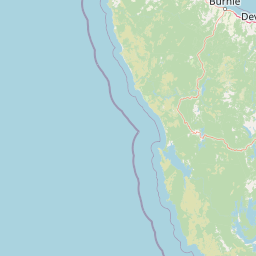
Why Franklin, Gordon Wild Rivers National Park stands out
Franklin, Gordon Wild Rivers National Park is best known for its outstanding wild river systems and the dramatic conservation campaign that helped define Australia's environmental movement. The Franklin River and Gordon River flow through the park in relatively natural states, carving deep gorges through ancient landscapes and supporting unique ecosystems. The park is perhaps most famous for the Franklin Dam controversy of the early 1980s, when a proposed hydroelectric scheme threatened to flood the Franklin River valley. This campaign became a pivotal moment in Australian conservation history, bringing national attention to Tasmania's wilderness and contributing to the broader protection of the Tasmanian Wilderness World Heritage Area. The park also features Frenchmans Cap, a distinctive quartzite mountain that dominates the western skyline and serves as an iconic landmark of the region.
Franklin, Gordon Wild Rivers National Park history and protected-area timeline
The origins of Franklin–Gordon Wild Rivers National Park can be traced to the establishment of Frenchmans Cap National Park, which originally included the Franklin River as its northern and western boundary. Frenchmans Cap, a prominent quartzite mountain rising dramatically above the surrounding terrain, remains a dominant feature of the region and is visible on the skyline from both the west and north of the park. The park was formally established in 1908, making it one of Tasmania's earliest protected areas. However, the park's modern significance is perhaps most strongly tied to the Franklin Dam controversy of the 1980s. Hydro Tasmania had developed plans for a hydroelectric power scheme that would have involved damming the Franklin River, flooding significant portions of the park's river valleys. The proposal gained support from the Liberal government led by Premier Robin Gray but became a national cause celebre for the Tasmanian Wilderness Society, led by director Bob Brown. This campaign brought unprecedented attention to Tasmania's wilderness values and ultimately contributed to the broader protection of the Tasmanian Wilderness. Despite the park's World Heritage status, the source material notes that the catchments and rivers remain at some level of ongoing risk, reflecting the continuing tensions between development and conservation in the region.
Franklin, Gordon Wild Rivers National Park landscape and geographic character
The landscape of Franklin–Gordon Wild Rivers National Park is defined by its mountainous terrain, deep river valleys, and the intersection of two major river systems. The park sits between the Central Highlands to the east and the West Coast Range to the west, creating a transitional zone of rugged topography. The Franklin River and Gordon River have carved steep-sided valleys through this terrain over geological time, creating the dramatic gorges that characterize the park's most spectacular scenery. Frenchmans Cap stands as the most prominent geological feature in the region, a distinctive quartzite peak that rises prominently above the surrounding landscape and serves as a visual landmark visible from considerable distances. The terrain includes cascading waterfalls such as Nelson Falls, forested slopes, and open alpine areas depending on elevation and aspect. The combination of mountain terrain, river valleys, and the largely undeveloped character of the landscape contributes to the park's wilderness quality, with much of the area remaining accessible only by walking tracks or by floating down the rivers themselves.
Franklin, Gordon Wild Rivers National Park ecosystems, habitats, and plant life
The natural values of Franklin–Gordon Wild Rivers National Park are intimately tied to its river systems and the broader wilderness context of the Tasmanian Wilderness World Heritage Area. The Franklin and Gordon Rivers represent some of Australia's last relatively unmodified major river catchments, flowing through landscapes that have not been significantly altered by damming, extraction, or intensive development. This river system supports diverse aquatic habitats and contributes to the ecological integrity of the broader region. The park encompasses a range of vegetation communities, from wet eucalypt forests on the lower slopes to alpine vegetation at higher elevations. The wilderness character of the area means that these ecosystems have continued to function with minimal human interference, maintaining ecological processes and biodiversity patterns that are increasingly rare in more developed landscapes. The protection afforded by World Heritage listing acknowledges these values at an international level.
Franklin, Gordon Wild Rivers National Park wildlife and species highlights
Franklin–Gordon Wild Rivers National Park provides habitat for diverse wildlife species within the broader Tasmanian wilderness ecosystem. The river systems support aquatic fauna adapted to clean, cool waters, while the surrounding forests and alpine areas provide habitat for a range of terrestrial species. The park forms part of a larger connected protected landscape that supports Tasmania's distinctive wildlife, including species that are endemic to the island. The relatively unmodified nature of the river catchments means that aquatic ecosystems have maintained their natural character, supporting species that depend on unimpeded river flows and natural hydrological patterns. While specific species are not detailed in the source material, the park's position within the Tasmanian Wilderness World Heritage Area indicates that it contributes to the protection of species and ecological communities of conservation significance.
Franklin, Gordon Wild Rivers National Park conservation status and protection priorities
The conservation significance of Franklin–Gordon Wild Rivers National Park is recognized at both national and international levels through its IUCN Category II protected area status and its inclusion in the Tasmanian Wilderness World Heritage Area, inscribed in 1982. The World Heritage listing was awarded under multiple criteria, reflecting both cultural values (iii, iv, vi, vii) and natural values (viii, ix, x), acknowledging the area's outstanding universal value across diverse dimensions. The Franklin Dam controversy of the 1980s represents a defining moment in the park's conservation history, demonstrating how protected status alone does not guarantee permanent protection and highlighting the ongoing need for vigilance in safeguarding wild rivers. The park's rivers remain subject to potential development pressures despite their protected status, reflecting the ongoing balance between conservation and resource utilization that characterizes Tasmania's environmental politics. The park's role as a core component of a larger wilderness complex contributes to biodiversity conservation at a landscape scale.
Franklin, Gordon Wild Rivers National Park cultural meaning and human context
The cultural context of Franklin–Gordon Wild Rivers National Park is closely tied to the broader history of Tasmania's wilderness and the environmental movement that emerged in the state during the late twentieth century. The Franklin Dam campaign became a defining moment in Australian conservation history, transforming local environmental issues into national political debates and helping to establish environmental protection as a significant public concern. Bob Brown and the Tasmanian Wilderness Society leveraged the campaign to build broader public support for wilderness protection, contributing to the eventual expansion of the World Heritage Area. The landscape also holds significance in terms of Aboriginal heritage, though the source material does not detail specific indigenous connections to the park. The naming of the park after the Franklin and Gordon Rivers reflects the historical European exploration and naming of Tasmania's landscape, with these rivers having been important routes for early explorers and settlers moving through the western highlands.
Top sights and standout views in Franklin, Gordon Wild Rivers National Park
Franklin–Gordon Wild Rivers National Park offers visitors exceptional wilderness experiences centered on its wild rivers, dramatic scenery, and remote character. The park's wild rivers provide opportunities for paddling and rafting journeys through some of Australia's most spectacular river valleys, allowing visitors to experience the landscape from the water and access areas that are otherwise difficult to reach. Nelson Falls represents one of the most accessible highlights along the Lyell Highway, offering a short walk to a cascading waterfall that demonstrates the hydrological character of the region. The Frenchmans Cap walking track provides access to one of Tasmania's most iconic peaks, with the mountain serving as a compelling destination for walkers seeking wilderness experiences. The Lyell Highway itself offers a scenic driving experience through the heart of the park, with the road corridor providing the primary access to this otherwise remote wilderness area. The park's World Heritage status and conservation history add intellectual and historical dimensions to the landscape visit.
Best time to visit Franklin, Gordon Wild Rivers National Park
The best time to visit Franklin–Gordon Wild Rivers National Park depends on the type of experience sought, with the park offering different qualities across Tasmania's seasons. Summer months typically offer the most accessible conditions for walking and outdoor activities, with longer daylight hours and generally more stable weather patterns. However, Tasmania's weather can be changeable at any time of year, and visitors should be prepared for varying conditions. The winter months bring snow to higher elevations and can make some tracks more challenging, while also offering the possibility of experiencing the park's dramatic landscapes under winter conditions. The shoulder seasons of spring and autumn may offer quieter conditions and different landscape qualities as the vegetation responds to seasonal changes. River-based activities depend on water levels, which vary seasonally and from year to year depending on rainfall patterns.