Why Gibraltar Range National Park stands out
Gibraltar Range National Park is best known as a critical refuge for some of Australia's most threatened bird species. The park has been formally recognised as a Gibraltar Range Important Bird Area by BirdLife International because it contains one of only five remaining populations of the vulnerable rufous scrub-bird, a secretive and range-restricted bird species endemic to Australia's temperate rainforests. Beyond this flagship species, the park supports significant populations of green catbirds, Australian logrunners, paradise riflebirds, and pale-yellow robins, making it one of the premier birdwatching destinations in eastern Australia.
Gibraltar Range National Park history and protected-area timeline
Gibraltar Range National Park was formally established on 1 October 1987 through the proclamation of the New South Wales National Parks and Wildlife Act. The establishment of the park came after decades of growing recognition of the area's ecological significance, particularly following detailed botanical and ornithological surveys that documented the presence of rare and endemic species. The park's inclusion in the Gondwana Rainforests of Australia World Heritage Site in 1986, prior to the park's formal creation, provided additional international recognition and helped galvanise protection efforts. In 2007, the area was added to the Australian National Heritage List, providing further domestic recognition of its significance within the nation's natural heritage portfolio.
Gibraltar Range National Park landscape and geographic character
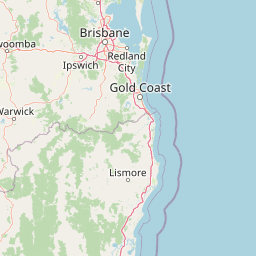
The landscape of Gibraltar Range National Park is defined by its position within the Northern Tablelands, a highland region characterised by steep, forested ridges and valleys that form part of the Great Dividing Range. The terrain is rugged and largely unmodified, with elevations ranging across the park to support distinct ecological zones. Deep gullies and ridgelines create diverse microhabitats, while the underlying granite and metamorphic substrates influence soil chemistry and vegetation patterns. The landscape retains a predominantly forested character, with the park's wilderness designation helping to maintain its natural appearance and ecological integrity.
Gibraltar Range National Park ecosystems, habitats, and plant life
The ecological character of Gibraltar Range is defined by its highland temperate rainforest and wet sclerophyll forest communities, which represent some of the most significant remaining examples of these vegetation types in northern New South Wales. The park sits within the Gondwana Rainforests bioregion, characterised by ancient lineages of plants that trace their ancestry back to the Mesozoic era. The combination of elevation, moisture, and protection has allowed these forests to persist while much of the surrounding landscape has been cleared for agriculture. These forests support complex ecological relationships and provide habitat for species that are found nowhere else on Earth.
Gibraltar Range National Park wildlife and species highlights
Gibraltar Range National Park supports an exceptional concentration of bird species, with particular significance attached to the vulnerable rufous scrub-bird, which survives in only five locations across Australia. This ground-dwelling bird inhabits dense understory vegetation in cool, wet forests and is considered an indicator of ecosystem health due to its specific habitat requirements. The park also supports important populations of green catbirds, named for their distinctive vocalisations, as well as Australian logrunners, paradise riflebirds, and pale-yellow robins. This bird community, together with the diversity of reptiles, mammals, and invertebrates that inhabit the park, reflects the ecosystem's long period of isolation and evolution.
Gibraltar Range National Park conservation status and protection priorities
The park's designation as an IUCN Category Ib wilderness area represents the highest level of protection available under Australian national park classifications, recognising areas that remain essentially unmodified and provide opportunities for primitive recreation experiences. As a core component of the Gondwana Rainforests of Australia World Heritage Site, Gibraltar Range contributes to protecting one of Earth's most significant repositories of ancient biological heritage. The Important Bird Area designation by BirdLife International further reinforces the park's global significance for conservation, as it recognises the area's critical role in maintaining viable populations of threatened bird species. The combined international and national protection frameworks ensure ongoing management priorities focus on maintaining ecological integrity.
Gibraltar Range National Park cultural meaning and human context
Gibraltar Range National Park sits within the traditional lands of Aboriginal peoples who have connections to the Northern Tablelands region. While the Wikipedia source provides limited detail on indigenous heritage, the park's landscape would have held cultural and resource significance for local Aboriginal communities over thousands of years. The rugged terrain and abundant bird and mammal life would have provided hunting and gathering opportunities, while certain areas may have held ceremonial or spiritual importance. Contemporary park management recognises the importance of engaging with traditional owners and incorporating Indigenous knowledge into conservation planning where appropriate.
Top sights and standout views in Gibraltar Range National Park
Gibraltar Range National Park offers visitors the opportunity to experience one of Australia's most significant wilderness areas with exceptional biodiversity value. The park provides protected habitat for the vulnerable rufous scrub-bird, one of Australia's most range-restricted bird species, making it a destination of global conservation importance. The ancient Gondwanan rainforests within the park represent evolutionary heritage spanning tens of millions of years and are recognised as World Heritage. Visitors can explore walking tracks through diverse forest environments while observing birdlife in what remains one of the least-modified landscapes in northeastern New South Wales.
Best time to visit Gibraltar Range National Park
The park can be visited year-round, with different seasons offering varying experiences. Autumn and winter months often provide clearer visibility and more comfortable temperatures for bushwalking, while spring brings bird activity to its peak as species engage in breeding behaviours. The highland location means that conditions can be cooler and wetter than the surrounding lowlands, so visitors should come prepared for changeable weather regardless of the season. The park's birdlife is most readily observable during quieter periods when visitor numbers are lower, allowing for more immersive nature experiences.