Why Glenthorne National Park, Ityamaiitpinna Yarta stands out
Glenthorne National Park is best known for its protection of significant grey box grassy woodland, a vegetation community that has been heavily reduced across the Adelaide region. The park also stands out for its exceptional bird diversity, with more than 90 species recorded including the Adelaide rosella, yellow-tailed black cockatoo, kookaburra, grey fantail, willie wagtail, and yellow-faced honeyeater. The park's cultural significance is equally notable, as it incorporates Kaurna traditional knowledge and Tjukurpa into its management framework, representing a contemporary model for integrating Indigenous heritage into protected area governance.
Glenthorne National Park, Ityamaiitpinna Yarta history and protected-area timeline
The park officially opened to the public in November 2020, marking a relatively recent addition to South Australia's national park system. The establishment of Glenthorne National Park represents the culmination of planning efforts to consolidate and protect natural areas in Adelaide's southern suburbs. The transition of O'Halloran Hill Recreation Park into the national park is ongoing, reflecting a phased approach to expanding the protected area. The creation of the Glenthorne Precinct concept demonstrates strategic thinking about landscape-scale conservation, linking multiple existing parks and green spaces into a cohesive network. This approach allows for more effective ecological management across property boundaries while providing enhanced recreational opportunities for residents of Adelaide's southern suburbs.
Glenthorne National Park, Ityamaiitpinna Yarta landscape and geographic character
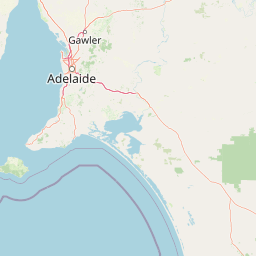
The park occupies gently undulating terrain typical of the Adelaide region's foothills, characterised by open woodland landscapes rather than dramatic mountainous terrain. The grey box grassy woodland dominates the vegetation structure, with scattered trees creating a park-like appearance across much of the area. The landscape provides a transition between the more urbanised eastern suburbs and the coastal plain extending toward Gulf St Vincent. The inclusion of the Glenthorne Estate adds established trees and heritage landscape elements to the park's character.
Glenthorne National Park, Ityamaiitpinna Yarta ecosystems, habitats, and plant life
The ecological significance of Glenthorne National Park centres on its protection of grey box grassy woodland, a once widespread vegetation community that has been extensively cleared across the Adelaide region. This woodland type supports diverse understory communities and provides critical habitat for woodland-dependent species. The park's location within the Adelaide region positions it within a landscape that has experienced significant modification, making protected remnants like those within Glenthorne increasingly important for biodiversity persistence. The over 90 bird species recorded in the park indicate substantial ecological value, with the woodland structure supporting both resident species and migratory visitors.
Glenthorne National Park, Ityamaiitpinna Yarta wildlife and species highlights
The bird fauna of Glenthorne National Park is particularly well-documented, with more than 90 species observed within the park boundaries. Notable among these is the Adelaide rosella, a distinctive regional subspecies of the crimson rosella that is endemic to the Adelaide area. The yellow-tailed black cockatoo is a prominent presence in the woodland, its distinctive calls echoing through the trees. Common woodland birds including grey fantail, willie wagtail, and yellow-faced honeyeater are regularly encountered. The kookaburra, a kingfisher species more commonly associated with broader开玩笑 but now well-established in the Adelaide region, adds to the park's bird diversity. This avian community depends on the grey box woodland structure for nesting, feeding, and shelter.
Glenthorne National Park, Ityamaiitpinna Yarta conservation status and protection priorities
The protection of grey box grassy woodland represents the core conservation priority for Glenthorne National Park, as this vegetation type has suffered extensive clearance across its former range. The park contributes to regional biodiversity conservation by preserving a significant remnant of a once-degraded ecosystem. The connectivity vision underlying the Glenthorne Precinct concept adds landscape-scale conservation value, linking isolated patches of native vegetation to support species movement and genetic exchange. The integration of Kaurna traditional ecological knowledge through Tjukurpa into management practices represents an innovative conservation approach that recognises Indigenous authority and knowledge systems as essential to effective land stewardship.
Glenthorne National Park, Ityamaiitpinna Yarta cultural meaning and human context
The Kaurna people are the traditional owners of the Adelaide region and maintain ongoing custodial relationships with Country across this landscape. The use of the Kaurna name Ityamaiitpinna Yarta as part of the park's official title reflects recognition of this enduring connection. Tjukurpa, the comprehensive cultural framework encompassing law, stories, lore, and management practices, will significantly influence how the park is managed. This integration of Indigenous knowledge and authority into protected area governance represents a meaningful shift from historical approaches that often excluded Aboriginal peoples from land management decisions. The park thus serves not only as a conservation area but as a space for cultural revitalisation and contemporary recognition of Kaurna heritage.
Top sights and standout views in Glenthorne National Park, Ityamaiitpinna Yarta
The combination of recently established protected status, significant woodland habitat, exceptional bird diversity, and integrated Kaurna cultural management makes Glenthorne National Park distinctive among Adelaide's parks. The park offers accessible nature experiences in a rapidly urbanising region, with the Glenthorne Precinct vision suggesting expanded opportunities as connections to surrounding parks are developed. The dual-name approach provides both historical and contemporary cultural framing that sets a model for future park designations in South Australia.
Best time to visit Glenthorne National Park, Ityamaiitpinna Yarta
The park can be visited year-round given Adelaide's temperate climate, though the cooler months from autumn through spring typically offer more comfortable conditions for walking and wildlife observation. Bird activity tends to be higher during spring and early summer when breeding season brings increased activity. The newly established nature of the park means that visitor facilities and trail networks may continue to develop, making it worth checking current conditions before visiting. Autumn provides pleasant temperatures and often clear skies, making it ideal for exploring the woodland landscapes.