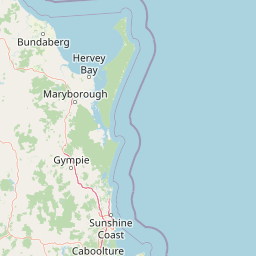
Why Great Sandy National Park stands out
Great Sandy National Park is best known for K'Gari (Fraser Island), the world's largest sand island, which hosts the planet's only tall rainforest growing directly in sand. The park's coloured sand cliffs, featuring iron-rich mineral deposits in red, brown, and yellow, create striking visual landscapes along the eastern coastline. The park contains more than 100 freshwater lakes, including the largest perched lake in the world, Lake Boomanjin. Additional notable features include the SS Maheno shipwreck dating from 1935, extensive four-wheel drive tracks across the sand island, and the Cooloola and Fraser Coast Important Bird Area supporting significant populations of black-breasted buttonquails and other distinctive Australian birds.
Great Sandy National Park history and protected-area timeline
Great Sandy National Park was established in 1971, formally protecting the remarkable coastal and island landscapes of the Fraser Coast region. The park's creation reflected growing recognition of the ecological and landscape significance of Fraser Island, which had been subject to logging and other extractive activities in the preceding decades. The K'Gari section, encompassing Fraser Island, was designated as a National Park following decades of conservation advocacy. The island itself has deep cultural significance for the Butchulla people, the Traditional Custodians of the land, whose connection to K'Gari extends back thousands of years. In recent years, the park has gained additional recognition, with K'Gari (Fraser Island) being rebranded from its colonial name to honour its indigenous heritage. The SS Maheno shipwreck, which ran aground on the island's eastern beach in 1935 during a cyclone, has become an iconic cultural landmark within the park, its rusting remains visible on the sands as a reminder of the island's maritime history.
Great Sandy National Park landscape and geographic character
The landscape of Great Sandy National Park is defined by its remarkable sand-dominated terrain and coastal diversity. The Cooloola Recreation Area features extensive sand dunes, some of the largest in Australia, that have been shaped by wind and ocean forces over millennia. These dunes support heathland vegetation and give way to freshwater wetlands and forests inland. The K'Gari section encompasses the world's largest sand island, a landscape of extraordinary variety despite its sandy foundation. The island features massive parabolic dunes, coloured sand cliffs along its eastern coast where iron-rich minerals create bands of red, brown, and yellow, and an interior dotted with more than 100 freshwater lakes. The park contains several distinctive lake types, including perched lakes like Lake Boomanjin, the largest of its kind in the world, formed in depressions on the sand surface. The landscape also includes freshwater creeks, swamps, and mangrove forests where rivers meet the coast. The absence of exposed bedrock throughout the park means that all geological features derive from sand deposits, creating a uniquely uniform yet visually diverse terrain.
Great Sandy National Park ecosystems, habitats, and plant life
The nature of Great Sandy National Park is defined by remarkable ecological adaptations to sandy substrates and the convergence of multiple habitat types within a relatively small area. The most famous ecological phenomenon is the tall rainforest that grows directly in sand, found nowhere else on Earth. This rainforest thrives despite the nutrient-poor sandy conditions, supported by the island's moisture and the specialized adaptations of its plant species. The park encompasses a diversity of habitats including coastal heathlands, wetlands and swamps, freshwater lakes and streams, mangrove forests, and beach environments. The Cooloola and Fraser Coast region has been recognized by BirdLife International as an Important Bird Area, acknowledging its significance for populations of black-breasted buttonquails as well as bush stone-curlews, beach stone-curlews, green catbirds, regent bowerbirds, mangrove honeyeaters, and pale-yellow robins. The park also supports one of the last coastal populations of emus in the area, and hosts the eastern ground parrot. These varied habitats create an ecological tapestry that supports both endemic species and significant populations of conservation concern.
Great Sandy National Park wildlife and species highlights
Great Sandy National Park supports a diverse fauna that reflects its multiple habitat types and its position along the Australian coast. The park is particularly significant for birdlife, with the Cooloola and Fraser Coast Important Bird Area supporting populations of several notable species. The black-breasted buttonquail, a ground-dwelling bird of conservation concern, maintains a significant population within the park. The park provides habitat for bush stone-curlews and beach stone-curlews, green catbirds, regent bowerbirds, mangrove honeyeaters, and pale-yellow robins. The eastern ground parrot inhabits the Cooloola section, while the park supports one of the last remaining coastal populations of emus in southeastern Queensland. Fraser Island is also known for its population of wild dingoes, which are protected and managed within the park. Marine mammals frequent the waters offshore, with humpback whales commonly observed during migration seasons. The freshwater lakes and streams support various fish species, while the beaches and coastal areas provide nesting habitat for sea turtles.
Great Sandy National Park conservation status and protection priorities
Great Sandy National Park holds significant conservation value as a protected area encompassing unique and threatened ecosystems. The park protects the world's largest sand island and its extraordinary ecosystems, including the only tall rainforest growing in sand on Earth. The Cooloola and Fraser Coast Important Bird Area designation by BirdLife International acknowledges the park's importance for conservation-significant bird species including the black-breasted buttonquail. The park's multiple habitat types, from heathlands to rainforests to wetlands, represent a gradient of coastal ecosystems that have been largely retained in natural condition. Conservation management within the park focuses on maintaining ecological processes while allowing sustainable visitor access, with particular attention to the sensitive dingo population and the potential impacts of vehicle traffic on dune systems. The park's designation as IUCN Category II reflects its primary purpose of protecting natural landscapes and biodiversity while allowing compatible recreation.
Great Sandy National Park cultural meaning and human context
Great Sandy National Park has deep cultural significance for the Butchulla people, the Traditional Custodians of K'Gari (Fraser Island), whose connection to this land spans thousands of years. The island was known as K'Gari, meaning 'paradise,' to the Butchulla people, and this name has been restored as the official designation for the Fraser Island section of the park. The Butchulla have maintained a continuous connection to the island's landscapes, resources, and spiritual places throughout this long history. European history is represented within the park by the SS Maheno shipwreck, which ran aground on the island's eastern beach in 1935 during a cyclone and remains a distinctive cultural landmark. The Cherry Venture shipwreck provides additional maritime heritage. The park's cultural context reflects the interplay between indigenous heritage and more recent colonial history, with the landscape holding significance for both perspectives.
Top sights and standout views in Great Sandy National Park
The standout features of Great Sandy National Park include the opportunity to explore the world's largest sand island with its unique combination of rainforest, dunes, and lakes. The coloured sand cliffs along the eastern beach, displaying bands of red, brown, and yellow from iron-rich minerals, represent a striking visual phenomenon found nowhere else. The park offers exceptional hiking opportunities through the multi-day Cooloola Great Walk and Fraser Island Great Walk, while the extensive beach driving tracks provide unique vehicle-based exploration. The SS Maheno shipwreck remains an evocative historical feature accessible on the sands of Fraser Island. The perched freshwater lakes, particularly Lake Boomanjin and Lake Wabby, offer swimming and fishing opportunities in unusual settings. The park's birdlife, including the opportunity to observe black-breasted buttonquails and other species in their natural habitat, attracts nature enthusiasts.
Best time to visit Great Sandy National Park
Great Sandy National Park can be visited throughout the year, though different seasons offer distinct experiences. The winter months from June to August typically bring cooler temperatures and lower humidity, making outdoor activities like hiking and four-wheel driving more comfortable. This period also coincides with the humpback whale migration along the coast, offering excellent whale watching opportunities from the island's beaches and viewpoints. The summer months from December to February bring warmer conditions and the potential for tropical rainfall, but also longer days for exploring. The shoulder seasons of spring and autumn often provide a balance of pleasant weather and fewer visitors. Regardless of season, visitors should be aware that accessing Fraser Island requires a high-clearance four-wheel drive vehicle, and vehicle permits are required for both the Fraser Island and Cooloola sections. The park's popularity means that camping permits should be secured in advance, particularly during school holiday periods.