Why Grutas de Cacahuamilpa National Park stands out
Grutas de Cacahuamilpa National Park is best known for housing one of the largest and most spectacular cave systems in the world. The Cacahuamilpa Caverns feature massive chambers averaging forty meters in width with ceilings reaching heights of up to eighty-one meters. The cave is classified as a 'live' system, meaning groundwater still actively shapes and transforms the formations, which continue to grow through ongoing mineral deposit processes. The park also contains the smaller but geologically distinct Grutas de Carlos Pacheco, a fossilized cave with ancient stalactites and stalagmites. Beyond the caves, the park offers rock climbing in Limontitla Canyon, exploration of two underground rivers, and a botanical garden displaying regional plant species.
Grutas de Cacahuamilpa National Park history and protected-area timeline
The history of Grutas de Cacahuamilpa intertwines natural discovery with human occupation spanning millennia. The caves held spiritual significance for pre-Hispanic peoples, notably the Olmec civilization and later the Chontal tribe, both of which utilized the chambers for ceremonial purposes. The original indigenous name was Salachi, while the current name derives from a location near the entrance and translates to 'peanut field.' Following the Spanish Conquest, indigenous peoples maintained knowledge of the caves while keeping their existence secret from colonial authorities. The caves were effectively 'discovered' by Manuel Sainz de la Peña Miranda in 1834, when he used them to evade Spanish authorities. The first biospeleological visit occurred in 1866, undertaken by Dominik Bilimek and Maximiliano von Habsburg. F. Bonet surveyed and mapped the cave up to 1,380 meters in 1922, and the site opened to the public during that decade. The first scientific expedition organized by the Secretary of the French Legation occurred in 1935, leading to the establishment of the national park on April 23, 1936, by President Lázaro Cárdenas. Guided tours began in 1969, and a comprehensive survey in 1987 established the cave system's total length at between four and five kilometers.
Grutas de Cacahuamilpa National Park landscape and geographic character
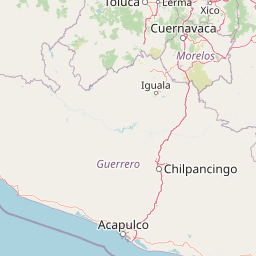
The park sits within the Sierra Madre del Sur, a mountain range running parallel to Mexico's Pacific coast. The underlying geology consists primarily of limestone deposited beneath ancient seas millions of years ago, subsequently uplifted and sculpted by erosional processes to create the dramatic terrain seen today. The landscape features rugged limestone ridges including the Cerro de la Corona, beneath which much of the cave system lies. Steep-walled canyons such as Limontitla Canyon provide rock climbing opportunities, while the surface terrain supports subtropical deciduous forest. The underground rivers have carved dramatic tunnels with walls reaching up to eighty meters in height, and where they emerge from the caves, they join to form the Amacuazac River, ultimately flowing into the Balsas River system.
Grutas de Cacahuamilpa National Park ecosystems, habitats, and plant life
The park's ecological character reflects its subtropical mountain setting within the Sierra Madre del Sur. The surrounding vegetation consists primarily of subtropical deciduous forest, which loses its leaves during the dry season and regrows with the summer rains. The Limontitla Botanical Garden within the park showcases this native flora, demonstrating the species that thrive in the region. The cave environment itself supports unique biological communities adapted to darkness, including specialized invertebrates and other organisms that have evolved in the subterranean ecosystem. The park's elevation and position create conditions favoring high biodiversity, with numerous plant species adapted to the seasonal climate patterns of central Mexico.
Grutas de Cacahuamilpa National Park wildlife and species highlights
While the park is primarily celebrated for its geological features, it supports wildlife adapted to both surface and cave environments. The cave system has documented biospeleological significance, with species adapted to the perpetual darkness of the underground passages. The surface areas support typical fauna of the subtropical deciduous forest, including various bird species, small mammals, and reptiles. The underground rivers and their tunnels provide habitat for aquatic organisms adapted to cave conditions. The presence of water throughout the cave system supports ecological communities even in the deepest passages, making the park significant for cave-dwelling biodiversity.
Grutas de Cacahuamilpa National Park conservation status and protection priorities
Grutas de Cacahuamilpa holds protected status as a Category II national park under IUCN classification, reflecting its significance for both natural heritage and public enjoyment. The designation protects the cave system, its geological formations, and the surrounding ecosystem from development and exploitation. The 'live' nature of the cave adds conservation urgency, as ongoing processes that create new formations can be disrupted by human activity. Protection extends to the underground rivers and their watersheds, preserving the hydrological processes that shape and sustain the cave system. The park generates approximately eight million pesos annually through tourism, demonstrating how conservation can support sustainable economic activity while preserving natural wonders for future generations.
Grutas de Cacahuamilpa National Park cultural meaning and human context
The caves hold deep cultural significance rooted in pre-Hispanic traditions. The Olmec civilization, one of Mesoamerica's earliest complex societies, utilized the chambers for ceremonial purposes, as did the Chontal people who followed them. Archaeological excavations within the caves have recovered pottery fragments attesting to ancient human presence. The original name 'Salachi' reflects indigenous naming traditions before Spanish contact. Following the Conquest, the caves remained known to local indigenous communities who maintained their knowledge while keeping the sites hidden from colonial authorities. The park's establishment in 1936 represented early recognition of Mexico's natural heritage, and today the caves appear in Mexican cinema, having served as filming locations for productions including 'Macario' and 'Tarzan and the Valley of Gold.'
Top sights and standout views in Grutas de Cacahuamilpa National Park
The Cacahuamilpa Caverns stand as the park's paramount attraction, featuring massive chambers like the Cathedral Salon with ceilings reaching eighty-one meters. The 'live' cave status means formations continue growing, offering a rare opportunity to witness active geological processes. The two underground rivers, the Chontalcoatlán and San Jeronimo, provide unique exploration opportunities through their carved tunnels, with the San Jeronimo journey taking approximately seven hours. The smaller but equally remarkable Grutas de Carlos Pacheco offers a contrast as a fossilized cave with ancient formations. Rock climbing in Limontitla Canyon draws enthusiasts with forty routes on limestone featuring stalactites and tufas. The Limontitla Botanical Garden displays native subtropical flora, best seen during the rainy season when vegetation reaches peak vibrancy.
Best time to visit Grutas de Cacahuamilpa National Park
The park can be explored year-round, though certain seasons offer distinct advantages. The dry season from November through May typically provides more comfortable conditions for cave exploration, with lower humidity making the underground trek more pleasant for visitors. The rainy season from approximately June to October brings lush green vegetation to the surface areas and the botanical garden, making this an excellent time for those interested in seeing the forest at its most vibrant. Cave conditions remain relatively consistent temperature-wise throughout the year, but humidity tends to be higher during the rainy season. Visitors interested in rock climbing should consider that the dry months generally offer better conditions for technical climbing. The underground rivers remain accessible year-round, though water levels may vary with seasonal precipitation.