Why Islas Marietas National Park stands out
Islas Marietas National Park is best known for its iconic Hidden Beach (Playa del Amor), a secluded beach nestled within a sun-drenched volcanic crater that can only be accessed when the tide is low. The park is equally renowned for its exceptional marine biodiversity, protected by Mexican law since the 1960s following international outcry led by Jacques Cousteau. The islands serve as a vital sanctuary for humpback whales during winter months, as well as for colonies of blue-footed boobies, red-billed tropicbirds, dolphins, manta rays, sea turtles, and vibrant coral reef communities. The stark contrast between the islands' violent human history as a military testing ground and their current status as a protected marine refuge contributes to the park's distinctive character.
Islas Marietas National Park history and protected-area timeline
The geological history of the Marieta Islands stretches back thousands of years to their formation through volcanic activity in the Pacific Ocean off Mexico's Pacific coast. The islands remained uninhabited for centuries, serving as a remote, treeless environment in federal waters. In the early 1900s, the Mexican government selected the islands as a location for military testing, utilizing their remote nature for bombs and large explosions. These activities dramatically altered the islands' topography, excavating the caves and creating the distinctive crater-like formation that now houses the famous Hidden Beach. By the late 1960s, international attention mounted as scientist Jacques Cousteau drew global awareness to the environmental damage occurring on the islands. This outcry eventually prompted the Mexican government to establish protections, transforming the islands from a military testing ground into a protected national park. The park was officially designated on February 2, 2004, as a Ramsar Wetland site, recognizing its international significance as a coastal ecosystem. Tourism grew rapidly in subsequent years, with visitor numbers rising from approximately 27,500 in 2012 to over 127,000 by 2015, placing enormous pressure on the fragile island ecosystem. In May 2016, the Mexican government announced closure of the islands and beaches to the general public due to concerns about coral destruction, erosion acceleration, and pollution from excessive boat traffic and visitor impact.
Islas Marietas National Park landscape and geographic character
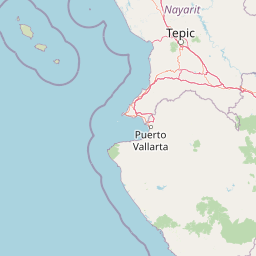
The Marieta Islands present a striking volcanic landscape characterized by dramatic rock formations, craggy cliffs, and a distinctive crater-like bowl that houses the famous Hidden Beach. The islands are completely uninhabited and treeless, with their terrain shaped by both natural volcanic processes and the military testing conducted in the early 1900s. The interior of the islands consists of more erodible explosive rock, while a resilient exterior shell of harder volcanic rock provides some structural stability. Surrounding the islands, the ocean floor drops to depths between 70 and 110 feet, creating conditions ideal for marine life and underwater exploration. The famous Playa del Amor sits nestled within an open, sun-drenched crater, accessible only when tides are low enough to reveal the narrow entrance to this secluded sandy inlet. The islands feature numerous caves and rock formations that provide habitat for marine species and contribute to the dramatic coastal scenery visible from the water.
Islas Marietas National Park ecosystems, habitats, and plant life
The ecological character of Islas Marietas centers on its dual identity as a volcanic island ecosystem and a productive marine environment within the warm waters of the Pacific. The islands support 44 documented species of plants and wildlife, though the terrestrial vegetation remains limited given the volcanic, treeless nature of the islands. The surrounding marine environment features extensive coral formations that host a large variety of reef fish species, creating one of the most biodiverse underwater areas along Mexico's Pacific coast. The protected status of the islands, which prohibits fishing and hunting, has allowed marine populations to thrive, creating exceptional conditions for snorkeling and scuba diving. The waters around the islands are inhabited by dolphins, manta rays, tropical fish, eels, and several species of sea turtles, while the winter months bring humpback whales to the region as they migrate from Alaska to give birth in the warm waters off Nayarit. The Ramsar designation and UNESCO Biosphere Reserve status recognize the islands' importance as both a coastal wetland ecosystem and a site requiring careful management to balance conservation with sustainable use.
Islas Marietas National Park wildlife and species highlights
The wildlife of Islas Marietas National Park is characterized by exceptional marine biodiversity and significant seabird populations. The islands serve as critical feeding and breeding grounds for numerous bird species, most notably the blue-footed booby and the red-billed tropicbird, which nest in substantial colonies on the islands' rocky terrain. Below the water surface, the coral reefs support a remarkable diversity of tropical fish species, while larger marine megafauna including dolphins and manta rays regularly inhabit the surrounding waters. Sea turtles, both green and hawksbill varieties, are found among the reefs and in the many caves that dot the underwater landscape. The park is perhaps most famous for its winter visitor: humpback whales that arrive from Alaska beginning in December and remain through March, often observed breaching and nursing their calves in the protected waters around the islands. This seasonal whale migration represents one of the most spectacular wildlife experiences available in the region, drawing visitors on dedicated whale-watching tours.
Islas Marietas National Park conservation status and protection priorities
Islas Marietas National Park represents a significant conservation success story complicated by the challenges of balancing ecological protection with public appreciation. The park's designation as a Ramsar Wetland site in 2004 and its recognition as a UNESCO Man and the Biosphere Reserve reflect the international community's acknowledgment of its ecological importance. The protected status, established following Jacques Cousteau's advocacy in the 1960s, prohibited fishing, hunting, and human activity, allowing marine ecosystems to recover dramatically. However, the explosive growth in tourism between 2012 and 2015, with daily visitor numbers far exceeding carrying capacity studies, led to severe environmental degradation. Coral destruction from warming waters, boat oil pollution, anchor damage, solid waste, and hydrocarbon contamination prompted the 2016 closure. Conservation efforts now focus on coral restoration through replanting programs, limiting future visitor impact through floating docks and buoy systems to control access, and addressing pollution threats. Studies estimate the islands may erode away within a few thousand years, but human impact has accelerated this process considerably, making careful management essential for preserving this unique ecosystem.
Islas Marietas National Park cultural meaning and human context
The cultural context of the Marieta Islands reflects a dramatic transformation from military testing ground to protected national heritage. The islands have no permanent human population, having always existed as uninhabited volcanic formations in the Pacific. The early 20th-century military testing that reshaped the islands' landscape represents a period when the Mexican government utilized the remote location for bombs and explosions, creating the geological features now central to the area's identity. Following international pressure, the islands became protected, and the Mexican government has emphasized that they remain part of the national heritage, intended to remain an icon of Riviera Nayarit. Rumors about foreign corporations purchasing the islands have been firmly denied by state authorities. The famous Hidden Beach, known locally as Playa del Amor or Playa Escondida, has become an iconic destination, though access remains highly restricted to protect the fragile environment. The islands exist at the intersection of natural preservation, tourism pressure, and cultural identity for the Nayarit coast region.
Top sights and standout views in Islas Marietas National Park
The Marieta Islands offer a compelling combination of dramatic volcanic geology, remarkable marine biodiversity, and significant conservation history. The iconic Hidden Beach, accessible only at low tide within a sun-drenched volcanic crater, represents the park's most distinctive physical feature. The winter arrival of humpback whales provides one of the Pacific coast's most spectacular wildlife viewing opportunities, with mothers and calves observable in the protected waters from December through March. The coral reef systems support exceptional snorkeling and scuba diving in waters teeming with tropical fish, sea turtles, dolphins, and manta rays. The islands' status as a Ramsar site and UNESCO Biosphere Reserve underscores their international ecological significance. The story of transformation from military bombing range to protected sanctuary, sparked by Jacques Cousteau's advocacy, provides historical depth. The current closure to general public access, implemented to address severe overtourism impacts, offers a case study in the challenges of managing vulnerable marine ecosystems.
Best time to visit Islas Marietas National Park
The optimal time to experience the waters around the Marieta Islands depends on desired activities, with distinct seasonal patterns influencing wildlife viewing and ocean conditions. The winter months from December through March bring humpback whales to the region, making this the prime season for whale watching as these magnificent creatures migrate from Alaska to give birth in the warm waters of Bahía de Banderas. This period also offers pleasant temperatures and generally calm seas, though it coincides with the peak tourist season along the Riviera Nayarit coast. The shoulder seasons of spring and fall offer fewer crowds and still comfortable conditions for marine activities. Water visibility tends to be best during the drier months, typically from late fall through early spring, making these periods ideal for snorkeling and scuba diving. The summer months bring warmer water temperatures but also increased rainfall and potentially rougher ocean conditions. Visitors should note that since May 2016, the islands themselves have been closed to general public access, with only limited permitted landings allowed to one secluded beach through authorized tour operators holding SEMARNAT permits.