Why Kazinag National Park stands out
Kazinag National Park is best known for its successful conservation of the Markhor, the large wild goat species that became the catalyst for the park's establishment. The park also protects significant populations of Himalayan musk deer, Himalayan brown bear, and Indian leopard within its coniferous forest and alpine meadow habitats. The area is renowned for its avifauna, with approximately 120 bird species including the prized Impeyan pheasant (monal) and cheer pheasant. The presence of the Kazinag Mountain at 4,732 meters, with its historic spring and glacier, adds geological and cultural significance to the park's identity.
Kazinag National Park history and protected-area timeline
The establishment of Kazinag National Park emerged from the confluence of geopolitical developments and conservation imperatives in the early 1990s. Following the ceasefire after the Kargil War, the Government of India faced increasing pressure to address conservation concerns for the Markhor, a wild goat species whose populations had been declining due to hunting pressure and habitat fragmentation. The Wildlife Trust of India played a pivotal role in advocating for formal protection of the Kazinag region, leading to the park's formal commissioning in 1992 under the Wild Life Protection Act of 1972. The creation of the park represented an important milestone in regional conservation efforts, as it provided protected status to a mountainous area that had previously lacked formal wildlife protection mechanisms. The park's history is intertwined with broader discussions about transboundary conservation, as the proposal for a trans-Karakoram peace park with Pakistan reflects the ecological continuity of the region across national borders.
Kazinag National Park landscape and geographic character
Kazinag National Park encompasses dramatic mountainous terrain characterized by rugged slopes, deep valleys, and towering peaks. The park's elevation range of 1,800 to 4,700 meters creates a landscape that transitions from forested slopes to rocky alpine zones. Kazinag Mountain, rising to 4,732 meters, dominates the park's western boundary and remains snow-clad throughout most of the year. The mountain features the historic Kazinag Spring and Satkohl Nag, water sources that feed multiple river systems including the Kehmil, Pohru, Mawar, and Talar rivers. The terrain is cut by numerous seasonal streams and nallas that carry snowmelt and rainfall through the protected area. The landscape's character is shaped by the temperate climate, with winter precipitation accumulating as snow at higher elevations and creating the distinctive seasonal transformations that define the park's visual character throughout the year.
Kazinag National Park ecosystems, habitats, and plant life
The ecological character of Kazinag National Park is defined by its diverse vegetation zones that correspond to the park's dramatic elevation range. Coniferous forests dominate the lower elevations, with deodar cedar forming the primary forest type at lower altitudes, transitioning to fir and spruce communities at middle elevations, and kail pine distributed widely across both lower and upper zones. The subalpine zone features birch forests, while broad-leaved species including various Prunus and maple species occupy middle elevations along watercourses, with horse chestnut prevalent in riparian areas. Temperate scrub communities dominated by Indigofera, Spirea, and Rosa occur at middle and lower elevations, while sub-alpine and alpine scrub featuring juniper, honeysuckle, and willow occupy higher terrain. Alpine meadows occupy the highest elevations, representing the final ecological zone before the perpetual snow line. This vertical zonation creates a mosaic of habitats that supports the park's considerable biodiversity.
Kazinag National Park wildlife and species highlights
Kazinag National Park supports approximately 20 mammal species, including several rare, threatened, or endangered species that represent the park's highest conservation significance. The Markhor, the endangered wild goat that prompted the park's creation, remains the flagship species, with the park providing crucial protected habitat for population recovery. The Himalayan musk deer and Himalayan brown bear occupy the forested zones, while Himalayan black bears and Indian leopards roam the more remote mountainous areas. Smaller mammals include the Himalayan marmot, yellow-throated marten, and the distinctive Kashmir flying squirrel. The park's avifauna is equally impressive, with approximately 120 bird species documented, including the golden eagle, Impeyan or monal pheasant (a highly prized Himalayan bird), and the vulnerable cheer pheasant. Other notable species include the snow pigeon, various kingfishers, nutcrackers, and the Kashmir red breasted flycatcher. The butterfly fauna includes 17 species, with several Apollo butterflies representing particularly notable finds.
Kazinag National Park conservation status and protection priorities
Kazinag National Park represents an important conservation achievement in India's protected area network, providing formal protection to a critical Himalayan ecosystem. The park's establishment in 1992 under the Wild Life Protection Act created a legal framework for protecting species, particularly the Markhor, that had faced significant conservation challenges. The proposed trans-Karakoram peace park initiative with Pakistan reflects recognition that ecological systems transcend national boundaries, and that conservation in this border region requires cooperative approaches. The park protects representative samples of Himalayan temperate forest and alpine ecosystems that have been increasingly pressured by development and climate change. Its elevation gradient ensures protection of multiple ecological zones, from coniferous forests to alpine meadows, creating resilience for species that may need to shift habitats in response to changing conditions.
Kazinag National Park cultural meaning and human context
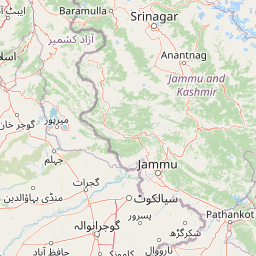
Kazinag National Park exists within a region of profound cultural and historical significance in Kashmir. The park's namesake mountain, Kazinag, holds traditional importance as a water source, with the Kazinag Spring and Satkohl Nag having provided water to local river systems for generations. These water sources have historically sustained communities on both sides of what is now the line of control. The park's location in the Baramulla district places it within an area that has experienced complex historical currents, from ancient trade routes to more recent geopolitical developments. The area near Uri has particular historical resonance, and the region's cultural landscape reflects the intertwined relationship between human communities and the mountainous environment. The proposed peace park concept acknowledges both the ecological continuity and the shared heritage of the border region.
Top sights and standout views in Kazinag National Park
The Markhor conservation success story stands as Kazinag's defining achievement, with the park providing critical protected habitat for this endangered species. The diverse mammal community including Himalayan musk deer, brown bears, and leopards represents significant biodiversity value. The birdlife, particularly the Impeyan pheasant and cheer pheasant, makes the park a destination of interest for ornithologists. The dramatic Kazinag Mountain at 4,732 meters, with its year-round snow cover and historic springs, offers exceptional scenic value. The proposed trans-Karakoram peace park concept positions Kazinag at the center of regional conservation diplomacy. The vertical ecological gradient from coniferous forests through subalpine zones to alpine meadows creates remarkable habitat diversity within a single protected area.
Best time to visit Kazinag National Park
The best time to visit Kazinag National Park depends on the wildlife viewing objectives of visitors. For birdwatching enthusiasts, the period from May to September offers optimal conditions, with summer bringing diverse bird activity throughout the park's elevation zones. Those seeking to observe mammals should plan their visit for April to May, when animals are more active and accessible in the lower elevations as winter snow begins to melt. The general summer season from June to August provides the most accessible conditions for exploration, with warmer temperatures and more open trails, though visitors should be prepared for occasional summer showers. Winter visits are possible but challenging due to heavy snowfall and temperatures that can drop to -20°C, with many higher elevation areas becoming inaccessible.