Why Khan-Tengiri Nature Park stands out
Khan-Tengiri Nature Park is best known for two remarkable attributes that define its identity within Central Asian protected areas. First, the park safeguards the habitat of the endangered snow leopard, one of the rarest and most elusive big cats in the world, with recent surveys confirming a viable population of adults and cubs within its boundaries. Second, the park is defined by the presence of Mount Khan Tengri itself, a 6,995-meter summit that ranks among the most beautiful peaks globally, with its dramatic pyramid-shaped ice-covered summit rising above the surrounding Tian Shan range. Together, these elements of exceptional wildlife significance and outstanding alpine scenery make the park a unique conservation landscape in Kyrgyzstan.
Khan-Tengiri Nature Park history and protected-area timeline
Khan-Tengiri Nature Park was established in February 2016 as part of Kyrgyzstan's ongoing efforts to develop and strengthen its system of protected natural areas. The park's creation responded to the need to conserve the distinctive alpine and subalpine ecosystems found in the easternmost portion of the country, an area that had previously lacked formal protection despite its ecological significance. The establishment of the park extended the network of specially protected areas of the Kyrgyz Republic, adding a substantial new territory that encompassed critical wildlife habitat and outstanding mountain landscapes. The decision to designate the area as a national park reflected both the ecological importance of the region and the recognition that the Khan Tengri mountain and its surrounding environment warranted permanent protection as a national heritage site.
Khan-Tengiri Nature Park landscape and geographic character
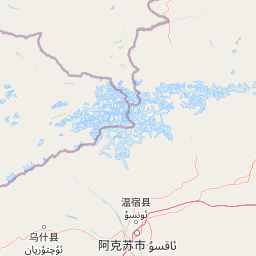
The landscape of Khan-Tengiri Nature Park is defined by the dramatic intersection of two major mountain ranges, Terskey Ala-Too and Kakshaal Too, creating a terrain of exceptional topographic complexity and visual grandeur. The park encompasses high mountain valleys, glacial cirques, steep ridgelines, and the lower slopes of towering peaks that dominate the eastern Kyrgyzstan skyline. The Saryjaz river basin runs through the park, with its headwaters originating in the glacial environments that characterize the upper reaches of the protected area. The park's eastern position places it at the heart of the Tian Shan mountain system, a vast range that spans multiple Central Asian countries and contains some of the highest peaks in the region. The landscape is characterized by the interplay of snow-covered summits, rock-strewn slopes, alpine meadows, and the clear cold waters of glacial streams that carve their way through the valley floors.
Khan-Tengiri Nature Park ecosystems, habitats, and plant life
The nature of Khan-Tengiri Nature Park reflects the high-altitude ecological character of the Tian Shan system, where extreme elevations, harsh climatic conditions, and relative isolation have produced distinctive ecosystems adapted to these challenging environments. The park encompasses alpine and subalpine zones that support specialized vegetation communities capable of surviving in conditions of intense cold, strong winds, and thin soils. The protection of this mountain landscape ensures the preservation of ecological processes that have shaped Central Asian highland environments over millennia, including glacial dynamics, watershed function, and the natural cycles that sustain alpine biodiversity. The park's position within the Saryjaz river basin connects it to broader hydrological systems that extend well beyond the protected boundaries, making the area important for downstream water resources across the region.
Khan-Tengiri Nature Park wildlife and species highlights
The wildlife of Khan-Tengiri Nature Park is highlighted by the presence of the snow leopard, one of the world's most endangered large predators and a species that has become a symbol of Central Asian mountain conservation. Systematic surveys conducted within the park between 2018 and 2019 documented a population of 14 adult snow leopards along with 5 cubs, confirming that the protected area supports a viable breeding population of this elusive big cat. The snow leopard's presence in Khan-Tengiri places the park among the most important conservation sites for this species in Kyrgyzstan and across its global range. Beyond the snow leopard, the park's diverse elevational gradients and habitat types support other wildlife species adapted to high-altitude environments, though the snow leopard remains the most ecologically and conservation-significant species confirmed within the protected area.
Khan-Tengiri Nature Park conservation status and protection priorities
Khan-Tengiri Nature Park was established with the explicit conservation purpose of protecting unique natural complexes and the biodiversity they contain, with particular emphasis on rare and endangered species of flora and fauna. The park's designation as an IUCN Category II protected area reflects its national park status and the institutional commitment to maintaining its natural values over the long term. The documentation of a breeding population of snow leopards within the park underscores its conservation significance at both national and international levels, as this species faces serious threats across its range from habitat loss, poaching, and human-wildlife conflict. By including critical snow leopard habitat within its boundaries and by protecting the broader mountain ecosystem that sustains this species and other wildlife, the park contributes meaningfully to Kyrgyzstan's commitments to biodiversity conservation and the preservation of its natural heritage.
Khan-Tengiri Nature Park cultural meaning and human context
The cultural context of Khan-Tengiri Nature Park is closely tied to the traditional significance of the Khan Tengri mountain itself, which holds a prominent place in the cultural heritage of Kyrgyzstan and the broader Central Asian region. The mountain's distinctive appearance and imposing presence have made it a landmark recognized for centuries by local communities who have inhabited the surrounding valleys and highlands. While the park itself is a relatively recent institutional creation, the landscape it protects has been part of the cultural landscape of the Kyrgyz people for generations, with the mountain serving as both a navigational reference and a source of regional identity. The park's establishment reflects a modern approach to conservation that builds upon traditional respect for mountain environments while applying contemporary protected area management principles.
Top sights and standout views in Khan-Tengiri Nature Park
Khan-Tengiri Nature Park offers exceptional highlights that distinguish it within Kyrgyzstan's protected area system. The park provides access to one of the world's most beautiful mountains, Khan Tengri, whose 6,995-meter pyramidal summit is a visual landmark of extraordinary aesthetic appeal. The protected area serves as a confirmed habitat for snow leopards, with documented populations of adults and cubs confirming successful breeding in this high-altitude environment. The park's location at the convergence of the Terskey Ala-Too and Kakshaal Too mountain ranges creates a landscape of exceptional topographic diversity and scenic grandeur. As one of Kyrgyzstan's newest national parks, established in 2016, it represents the country's ongoing commitment to expanding protection of its most ecologically significant mountain landscapes.
Best time to visit Khan-Tengiri Nature Park
The best time to visit Khan-Tengiri Nature Park is during the summer months of June through August, when conditions in the high-altitude environment are most favorable for exploration and wildlife observation. During this period, mountain trails become more accessible, weather patterns are more stable, and the alpine landscape displays its full seasonal character with wildflowers blooming in the meadows and snow fields remaining visible on higher peaks. The summer season coincides with optimal conditions for viewing snow leopards and other wildlife, as animals become more active in the relatively warmer months. Visitors planning trips to the park should be prepared for the challenging mountain environment regardless of season, with proper equipment, physical preparation, and awareness of the remote nature of this protected area.