Why Kyrgyz-Ata State Nature Park stands out
Kyrgyz-Ata State Nature Park is most renowned for its extensive juniper forests, which represent one of the park's defining ecological features. The juniper communities, primarily composed of Juniperus semiglobosa, occupy a significant portion of the protected area and contribute to the park's geobotanical significance. These forests grow across the mountainous terrain of the Alay Range, creating a characteristic landscape of juniper-covered slopes and valleys. Beyond the botanical importance, the park is notable for its geological character, particularly the limestone bedrock of the Kichik-Alay ridge with its striking multicolored marble exposures that add visual distinction to the mountain scenery.
Kyrgyz-Ata State Nature Park history and protected-area timeline
Kyrgyz-Ata State Nature Park was established in March 1992, reflecting Kyrgyzstan's commitment to nature conservation during the early years following independence from the Soviet Union. The creation of the park was driven by recognition of the unique juniper forest ecosystem found in this portion of the Alay Range, which warranted formal protection due to its ecological, aesthetic, geobotanical, and faunal values. The park was designated under IUCN Category II, classifying it as a national park with primary conservation objectives. The decision to protect this area also acknowledged the recreational potential of the landscape, balancing conservation with public access to the natural environment. Since its establishment, the park has served as a protected area for the juniper forests of the Alay Range region, maintaining the ecological integrity of this distinctive mountain landscape.
Kyrgyz-Ata State Nature Park landscape and geographic character
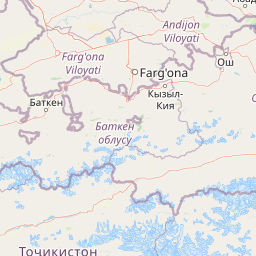
The landscape of Kyrgyz-Ata State Nature Park is defined by its position on the northern slopes of the Alay Range, a major mountain system in southern Kyrgyzstan. The terrain is characterized by mountainous topography with slopes ascending from the lower valley areas toward the higher ridgelines. The park encompasses the basin of the Kyrgyz-Ata river, which flows through the protected area as a tributary of the Aravansay, contributing to the hydrological character of the landscape. A distinctive geological feature is the Kichik-Alay ridge, whose limestone composition includes notable outcrops of multicolored marble that create visually striking formations throughout the area. The combination of mountain slopes, river valleys, and distinctive geological features produces a landscape of considerable visual diversity within the relatively compact area of the park. The juniper forests that dominate much of the park's vegetated areas add another layer to the landscape character, creating the characteristic appearance of juniper-covered mountain slopes.
Kyrgyz-Ata State Nature Park ecosystems, habitats, and plant life
The nature of Kyrgyz-Ata State Nature Park centers on its juniper forest ecosystem, which represents the park's primary ecological significance. The forests are dominated by Juniperus semiglobosa, a juniper species well adapted to the mountainous conditions of the Alay Range. These juniper communities grow across the slopes and valleys of the park, forming extensive forest coverage that defines much of the park's ecological character. The combination of forest habitat, riverine environments along the Kyrgyz-Ata river, and the rocky terrain of the Kichik-Alay ridge creates a diversity of microhabitats within the park. The park's ecological value extends beyond the juniper forests themselves to include the broader mountain ecosystem services these forests provide, including watershed protection, soil stabilization, and habitat provision for various species. The geobotanical significance of the area reflects the particular combination of species, soils, and climate conditions found in this portion of the Alay Range.
Kyrgyz-Ata State Nature Park conservation status and protection priorities
Kyrgyz-Ata State Nature Park was established specifically for the conservation of a unique nature complex that combines ecological, aesthetic, geobotanical, and faunal values. The primary focus of protection is the juniper forest ecosystem, which represents a distinctive habitat type within Kyrgyzstan's protected area network. The park's IUCN Category II designation reflects its national park status with core conservation objectives centered on ecosystem preservation. The protection of these juniper forests serves important ecological functions, including habitat provision for wildlife species, watershed protection for the Kyrgyz-Ata river system, and preservation of the geobotanical character of the Alay Range region. Beyond the forests themselves, the conservation framework encompasses the broader landscape including the limestone and marble formations of the Kichik-Alay ridge, the riverine environments, and the overall mountain ecosystem integrity. The park also acknowledges the recreational value of the area, incorporating sustainable visitor use within its conservation framework.
Kyrgyz-Ata State Nature Park cultural meaning and human context
Kyrgyz-Ata State Nature Park exists within a region of Kyrgyzstan with rich cultural heritage tied to the mountainous landscapes of the Alay Valley. The park's name combines Kyrgyz and Ata, reflecting the local identity and connection to this landscape. The surrounding Nookat District and Osh Region have long histories of human habitation and traditional land use in the mountain environments of southern Kyrgyzstan. While the park itself focuses primarily on nature conservation, the broader region reflects the historical relationship between Kyrgyz communities and the mountain landscapes that have shaped local traditions and livelihoods.
Best time to visit Kyrgyz-Ata State Nature Park
The best time to visit Kyrgyz-Ata State Nature Park is during the warmer months from late spring through early autumn, when the mountain conditions are most suitable for outdoor exploration. Summer months offer the most accessible conditions for hiking and experiencing the juniper forest landscapes, with warm temperatures in the valley areas and pleasant conditions at higher elevations. The park's mountain setting means that weather conditions can vary with elevation, and visitors should be prepared for temperature changes when moving between different parts of the park. The winter months bring snow to the higher elevations and colder conditions throughout the area, which may limit access to some parts of the park. Spring and autumn provide transitional conditions with different landscape qualities, though accessibility may be more variable during these shoulder seasons.