Why Mbam et Djerem National Park stands out
Mbam et Djerem is especially known for its extraordinary habitat diversity, representing the northern fringe of the Central African forests where the Congolian rainforests reach into the great northern savannas. The park protects a critical portion of the Northern Congolian forest-savanna mosaic, an ecotone recognized for its exceptional species mixing and potential as a speciation zone. Visitors can observe true forest animals like red river hogs and crested mona monkeys occurring within meters of savanna species such as olive baboons and common warthogs, creating one of Africa's most unusual wildlife assemblages.
Mbam et Djerem National Park history and protected-area timeline
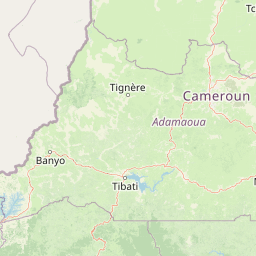
Mbam et Djerem National Park was created in January 2000 as a protected area in the centre of Cameroon, representing the country's commitment to preserving its unique ecological transition zones. Prior to the park's establishment, the area had been subject to limited biological survey work, though the ecological significance of the forest-savanna boundary had been recognized. The formal creation of the national park provided institutional framework for conservation of the area's remarkable biodiversity. During the colonial era, populations that had historically lived within what is now the park were relocated to a road along the western border, which once served as the main route from Cameroon to Chad. In recent decades, the construction of the CamRail railway line along the eastern side of the park shifted transportation patterns away from this western road, contributing to rural depopulation of the region. Survey work prior to and following the park's establishment, including projects by the Wildlife Conservation Society and BirdLife International, documented the exceptional biodiversity and helped shape conservation planning for the area.
Mbam et Djerem National Park landscape and geographic character
The physical landscape of Mbam et Djerem is characterized by rolling hills and ridgelines that create an open, scenic terrain visible from numerous elevated viewpoints throughout the park. The topography allows visitors standing on any hilltop to observe successive ridges of forest and savanna disappearing into the distance, with valley floors uniformly marked by gallery forest strips along watercourses. The Djerem River flows through the park and eventually becomes the Sanaga River further south, providing a navigable waterway that allows access from northern savanna regions into the heart of the forested interior. The park contains a spectacular waterfall on one of the major rivers, adding to the scenic diversity. The landscape encompasses multiple distinct environments, including dense lowland rainforests in the eastern portions near the Djerem River, extensive gallery forests along all watercourses, transitional forest zones between rainforest and savanna, and varying savanna types from almost completely closed woodland through bush savannah to open, seasonally flooded grasslands adjacent to major rivers.
Mbam et Djerem National Park ecosystems, habitats, and plant life
The ecological character of Mbam et Djerem is defined by the park's position within the Northern Congolian forest-savanna mosaic, the northern fringe of Central African forests where forest tendrils extend into the great savannas. This creates a complex mosaic of habitats including lowland tropical rainforest, gallery forest, transitional forest, and multiple savanna types. The vegetation is roughly split between approximately half lowland tropical forest and half Sudano-Guinean tree and woodland savanna, separated by a wide and biologically significant ecotone belt. This straddling of two major vegetation zones gives Mbam et Djerem the highest habitat diversity of all protected areas in Cameroon. The gallery forests along rivers act as critical ecological corridors, while the transitional zones between forest and savanna support distinctive species assemblages. Research has shown that the Central African forests in this region undergo long cycles of expansion and reduction linked to long-term climatic cycles, with forest boundaries shifting over decades and centuries.
Mbam et Djerem National Park wildlife and species highlights
The wildlife of Mbam et Djerem is exceptionally diverse, with surveys documenting a remarkable mixing of forest and savanna species that is unusual in Africa. Large mammal abundance increases significantly with distance from roads and villages, and the park supports both true savanna species and true forest animals within meters of each other. Primates are particularly diverse, with at least ten species including chimpanzees confirmed by surveys. The park contains all three pig species found in Africa: red river hog, warthog, and giant forest hog. Hippos occur at several sites along the Djerem River. Ungulate diversity is remarkable, with species including kob, waterbuck, forest buffalo, bushbuck, yellow-backed duiker, bongo, sitatunga, and multiple duiker species. The elephant population is present in the south-center of the park but appears absent from northern areas. The bird fauna includes at least 360 species, with both savanna and forest species represented, including the Bamenda Apalis, a bird previously thought to be restricted to distant highland areas.
Mbam et Djerem National Park conservation status and protection priorities
Mbam et Djerem represents a critical conservation area as one of the few remaining strongholds of large mammal fauna in the region, with species now almost gone from West Africa still present though threatened. The primary conservation challenges include commercial bushmeat hunting, with large animals such as African buffalo, waterbuck, and kob targeted for bushmeat markets in distant cities, and ivory poaching affecting the elephant population. Local communities have limited economic alternatives to hunting, as agricultural profits are far lower than income from wildlife trade. The main hunting methods include thick wire snares for larger ungulates and gun hunting, while smaller game is captured using thin wire snares near villages outside the park. The railway line along the park's eastern side serves as a major conduit for bushmeat trafficking, funneling wild animal meat from central Cameroon to population centers. The park contains a representative sample of the habitat diversity that characterizes the ecotone region of Cameroon and neighboring countries, making it significant for regional biodiversity conservation.
Top sights and standout views in Mbam et Djerem National Park
The park's standout features include its position at the crossroads of Central African rainforest and Sudano-Guinean savanna, creating the highest habitat diversity of any protected area in Cameroon. The mixing of forest and savanna wildlife at a single site is extraordinary, with primates, pigs, and ungulates from both ecosystems occurring together. The navigable Djerem River provides unique access into the forest interior from the savanna north. The gallery forest-lined valleys create a distinctive landscape pattern visible from hilltop viewpoints across the park. The bird checklist of 360 species includes the Bamenda Apalis, a species discovered to be more widespread than previously known. The presence of at least ten primate species, including chimpanzees, adds to the park's conservation significance.
Best time to visit Mbam et Djerem National Park
The dry season brings significant changes to the park's character, as bushfires reduce grasses to ash and rivers and swampy valleys dry up completely. This seasonality affects wildlife behavior, with animals requiring frequent water forced to remain near the larger rivers for several months. During the wet season, kob, buffalo, and waterbuck congregate in the grassy plains near major rivers, creating favorable conditions for wildlife viewing. However, the specific timing of visits should be guided by current local conditions and advice from park authorities.