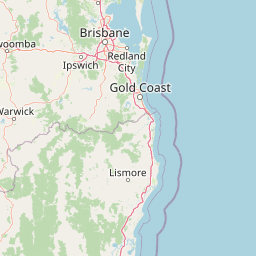
Why Mebbin National Park stands out
Mebbin National Park is best known for its exceptional Gondwana-era rainforests, which represent some of the oldest continuously surviving forest ecosystems on the planet. The park protects critical habitat within the Border Ranges, a mountainous region formed by ancient volcanic activity that created the fertile substrates supporting these ancient forests. The area's significance is amplified by its inclusion in the Gondwana Rainforests of Australia World Heritage Site, which encompasses the most extensive remaining tracts of subtropical rainforest in the world. The park's Important Bird Area status further underscores its ecological importance, with several threatened bird species relying on its intact forest habitats for survival.
Mebbin National Park history and protected-area timeline
While the Wikipedia source does not provide detailed establishment history, Mebbin National Park was formally designated as part of Australia's national park system to protect the exceptional Gondwana-era rainforest values of the Border Ranges region. The park's inclusion in the Gondwana Rainforests of Australia World Heritage Site in 1986 reflected growing international recognition of the outstanding universal value of these ancient forest ecosystems. The subsequent addition to the Australian National Heritage List in 2007 further reinforced the site's significance within Australia's national conservation framework. The park is managed by the National Parks and Wildlife Service of New South Wales, which oversees protection and visitor access within the broader regional conservation context.
Mebbin National Park landscape and geographic character
The landscape of Mebbin National Park is defined by its volcanic origins, forming part of the Shield Volcano Group that characterizes the Border Ranges of northern New South Wales. The terrain encompasses rugged volcanic ridges and valleys, with the ancient igneous substrates creating nutrient-rich soils that support the dense rainforest vegetation. The elevation range and aspect variations across the park create diverse microclimates, from moist valley floors to more exposed ridgeline environments. This volcanic foundation, combined with the region's high rainfall, has enabled the persistence of complex rainforest communities that would not have developed on less fertile substrates. The landscape forms a visual and ecological continuum with the neighbouring protected areas that together comprise the Gondwana Rainforest estate.
Mebbin National Park ecosystems, habitats, and plant life
The nature of Mebbin National Park is characterized by subtropical rainforest ecosystems of exceptional antiquity and ecological complexity. These forests represent descendant vegetation communities from the Cretaceous period, when dinosaurs still walked the Earth, and have persisted through dramatic climatic shifts to arrive in the present day. The closed forest canopy creates a humid understory environment supporting diverse plant and animal communities, many of which occur nowhere else on the planet. The combination of volcanic soils, high rainfall, and long-term climatic stability has allowed these ecosystems to develop extraordinary levels of biodiversity and ecological sophistication. The park's position within the larger Gondwana Rainforest landscape ensures connectivity with other preserved areas, supporting ecological processes that require extensive intact forest habitats.
Mebbin National Park wildlife and species highlights
Mebbin National Park supports significant wildlife populations within its intact rainforest habitats, particularly notably for several threatened bird species that have earned the area its Important Bird Area designation from BirdLife International. The ancient forest environments provide crucial habitat for species that depend on old-growth rainforest conditions, including ground-dwelling birds and canopy-dwelling species adapted to the complex vertical structure of the forest. The diverse plant communities support corresponding diversity in animal life, from invertebrates to mammals, with many species exhibiting evolutionary relationships to the Gondwana-era origins of these forests. The park's connectivity within the larger Gondwana Rainforest landscape enables wildlife movements and gene flow between populations in different protected areas.
Mebbin National Park conservation status and protection priorities
Mebbin National Park contributes to conservation outcomes of global significance through its role within the Gondwana Rainforests of Australia World Heritage Site, which represents one of the world's most important repositories of ancient biodiversity. The protection of this area ensures the preservation of evolutionary lineages and ecological processes that cannot be replicated outside these intact forest systems. The park's designation as an Important Bird Area further emphasizes its specific value for threatened species conservation, with the area identified as essential for maintaining viable populations of birds that depend on Gondwana rainforest habitats. The World Heritage listing provides international recognition and framework for ongoing protection, while the National Heritage List designation integrates the site into Australia's highest-level environmental protection mechanisms.
Mebbin National Park cultural meaning and human context
The Mebbin National Park area lies within the traditional Country of Indigenous peoples, though the Wikipedia source provides limited detail on specific cultural associations. The Border Ranges region has been inhabited by Aboriginal people for thousands of years, and the Gondwana Rainforest landscapes would have held significance for traditional custodians. The protection of this area under modern conservation frameworks represents a continuation of land stewardship values, though the specific relationships between Indigenous communities and the Mebbin area would require additional sources to document comprehensively.
Top sights and standout views in Mebbin National Park
Mebbin National Park offers visitors the opportunity to experience ancient Gondwana-era rainforests within a landscape shaped by volcanic processes, all within a World Heritage-listed protected area. The park provides opportunities for bushwalking, picnicking, camping, cycling, and horseback riding through environments that represent some of the oldest continuously surviving forest ecosystems on Earth. The Border Ranges setting offers scenic mountain vistas and the chance to observe wildlife within intact rainforest habitats. The park's World Heritage status and Important Bird Area designation reflect exceptional ecological values that distinguish it from more common protected areas.
Best time to visit Mebbin National Park
The Gondwana Rainforests of the Border Ranges region can be visited year-round, though the subtropical climate means that conditions vary across seasons. The warmer months from spring through autumn typically offer more comfortable conditions for outdoor activities, while the cooler winter months may provide clearer visibility and reduced humidity. Rainfall is characteristic of the region year-round, and the moisture-laden environment contributes to the lush rainforest character that defines the park's appeal. Visitors planning activities should be prepared for changeable weather and should check current conditions before visiting.