Why Narkoola National Park stands out
Narkoola National Park is recognized for its role in protecting the Mulga Lands bioregion, a distinctive semi-arid landscape in inland Queensland characterized by extensive mulga (Acacia aneura) woodlands and diverse plant communities. The park was specifically established to conserve significant species and the varied plant life found in this bioregion, making it important for biodiversity protection in Australia's arid interior. The Mulga Lands support unique assemblages of flora adapted to low rainfall and variable seasonal conditions, and the park provides protected habitat for species that depend on these woodland ecosystems.
Narkoola National Park history and protected-area timeline
Narkoola National Park was officially established on 26 March 2010, making it one of the more recent additions to Queensland's national park system. The park was created through the Queensland Parks and Wildlife Service with the specific purpose of conserving significant species and diverse plant communities in the Mulga Lands bioregion. This establishment reflects a broader trend in Australian conservation of identifying and protecting representative examples of different bioregions and their associated biodiversity. The decision to set aside this land as a national park came after assessments identified the area's ecological significance and the value of protecting its plant communities and native species. In addition to the formal park boundary, an additional 2,249 hectares has been marked for ecological recovery, demonstrating ongoing commitment to restoration and enhancement of the park's natural values.
Narkoola National Park landscape and geographic character
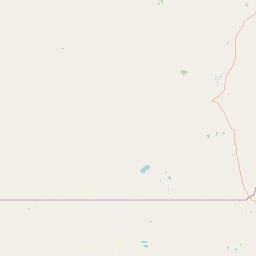
The landscape of Narkoola National Park is defined by the characteristic features of the Mulga Lands bioregion in South West Queensland. This terrain consists primarily of mulga woodlands growing on sandy soils and clay plains, with the vegetation creating a semi-open woodland environment across much of the area. The Mulga Lands are named for the dominant presence of mulga (Acacia aneura), a distinctive Australian acacia that forms extensive woodlands across inland areas of the continent. The topography is generally flat to gently undulating, typical of the interior plains of Queensland. Drainage lines and ephemeral watercourses cross the landscape, providing important habitat corridors and water sources for wildlife, particularly during periods of rainfall. The park's setting in South West Queensland places it within a broader region of semi-arid rangelands and remnant native vegetation, where the contrast between cleared agricultural land and preserved natural areas is often pronounced.
Narkoola National Park ecosystems, habitats, and plant life
The nature of Narkoola National Park centers on the Mulga Lands bioregion's distinctive ecological character. This bioregion supports diverse plant communities adapted to the challenging conditions of inland Queensland, including the signature mulga woodlands that give the region its name. The park was specifically established to protect these significant species and diverse plant communities, recognizing that the Mulga Lands contain botanical values worth preserving. The vegetation includes various acacia species, grasses suited to semi-arid conditions, and other plants adapted to low rainfall and variable seasonal patterns. The park's ecosystem provides habitat for native species that have evolved to survive in this environment, making conservation of the area important for maintaining biodiversity in Queensland's interior. The presence of additional land marked for recovery indicates active management attention to restoring degraded areas and enhancing the park's ecological integrity.
Narkoola National Park wildlife and species highlights
The wildlife of Narkoola National Park is characteristic of the Mulga Lands bioregion in South West Queensland. This semi-arid woodland environment supports a range of native species adapted to the region's challenging climate and seasonal variations. The mulga woodlands provide important habitat for birds, reptiles, and small mammals that depend on the structural complexity and resources provided by the trees and surrounding ground layer. While the Wikipedia source does not provide detailed species lists, the park's establishment specifically to conserve significant species indicates the presence of notable wildlife values. The diverse plant communities within the park support ecological relationships between flora and fauna that have developed in this inland environment over evolutionary time. Protected habitat in the Mulga Lands is valuable for maintaining populations of species that are adapted to Australia's arid and semi-arid zones.
Narkoola National Park conservation status and protection priorities
Narkoola National Park represents an important conservation outcome for Queensland's Mulga Lands bioregion. The park's establishment in 2010 was driven by the need to protect significant species and diverse plant communities, recognizing the ecological values present in this part of South West Queensland. As an IUCN Category II protected area, the park receives formal national park designation with primary objectives focused on ecosystem conservation and protection of natural values. The additional 2,249 hectares marked for recovery demonstrates ongoing investment in improving the park's ecological condition through active management interventions. Conservation of the Mulga Lands is significant because this bioregion represents a distinctive Australian landscape that has faced pressures from pastoral development and other land uses. By protecting representative examples of these ecosystems, Narkoola National Park contributes to the broader goal of maintaining Australia's biodiversity in semi-arid inland regions.
Narkoola National Park cultural meaning and human context
The Narkoola National Park area is situated within the traditional lands of Aboriginal peoples in South West Queensland. The Shire of Balonne region has historical associations with various Indigenous groups who have long connections to the Mulga Lands landscape. While the Wikipedia source does not provide specific details about Indigenous heritage or traditional owner involvement in the park, the broader South West Queensland region contains significant cultural values related to Aboriginal history and ongoing connection to Country. The establishment of the park by the Queensland Parks and Wildlife Service would have involved consultation with relevant Indigenous stakeholders, consistent with contemporary protected area management practices in Australia.
Top sights and standout views in Narkoola National Park
Narkoola National Park provides protected habitat within the distinctive Mulga Lands bioregion of South West Queensland, representing a relatively recent addition to Queensland's national park estate established specifically for conservation purposes. The park protects diverse plant communities in a semi-arid woodland landscape dominated by mulga, an iconic Australian tree species. Its location near Bollon places it within a region where preserved natural areas provide important habitat connectivity and biodiversity values. The park's establishment in 2010 and the inclusion of additional recovery land demonstrate ongoing conservation commitment to this part of inland Queensland.
Best time to visit Narkoola National Park
Narkoola National Park is best visited during the cooler months of autumn and winter (May to August) in South West Queensland, when temperatures are more moderate and comfortable for outdoor exploration. Summer months (December to February) can bring extreme heat in this semi-arid region, making outdoor activities challenging. Spring (September to November) can be a rewarding time to visit as temperatures warm and the landscape may display seasonal wildflower displays. Visitors should be aware that the park is in a remote location and should plan accordingly for self-sufficiency, as facilities and services are limited in the surrounding area near Bollon.